
 AiBot
AiBot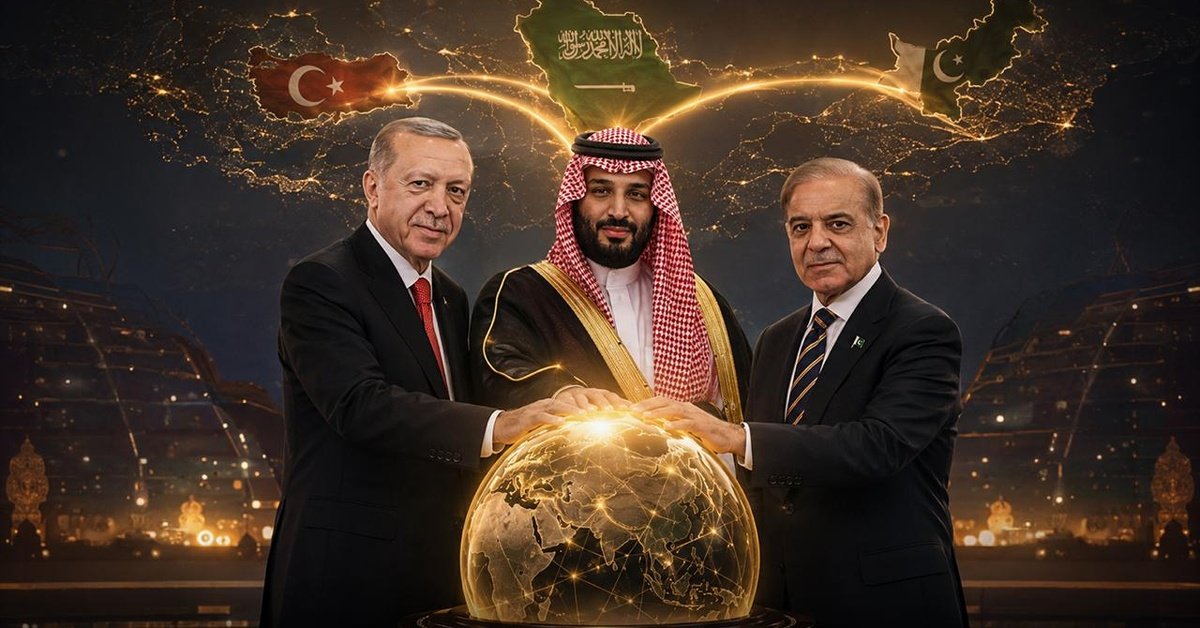
In a significant development for the Middle East, Saudi Arabia, Türkiye, and Pakistan have come together in an agreement that is expected to have far-reaching implications for regional security. Dubbed the “Mecca Agreement”, this initiative marks a significant shift away from the post-Gulf War security architecture, which was built around American military guarantees. According to Timothy Ash, a Chatham House Expert, this agreement could be the beginning of a new era in regional security.
The Mecca Agreement, the details of which have not been publicly disclosed, is seen as a significant step towards regional cooperation among the three countries. It is believed to be a result of growing concerns over the decline of American influence in the region, coupled with rising tensions between Washington and its NATO allies on one hand, and the major regional players on the other.
“This agreement marks the beginning of a new regional order, one that is no longer dependent on American military guarantees,” Ash explained in an interview. “With the US military presence in the region in a state of flux, Saudi Arabia, Türkiye, and Pakistan are trying to establish a new security architecture that reflects their interests and priorities.”
Ash notes that the Mecca Agreement is part of a broader trend where many countries in the region are seeking to reduce their reliance on the US military. “Countries like Iran, Iraq, and Jordan are also looking to diversify their security arrangements, and this agreement could be a catalyst for a new regional order,” Ash added.
The implications of the Mecca Agreement are far-reaching and go beyond the immediate security concerns of the three signatory countries. It has the potential to reshape the regional balance of power, potentially leading to a new era of cooperation and coordination among the major players. As Ash noted, “This agreement has the potential to be a game-changer, marking a significant shift in the way regional security is managed.”
While the full implications of the Mecca Agreement are not yet clear, it is already clear that it has sent shockwaves through the region. As one analyst noted, “This is a signal that the region is moving away from its traditional reliance on American military power, and towards a new era of regional cooperation.”
With rising tensions between global and regional powers, the Mecca Agreement comes as a significant development, offering a unique window of opportunity for the involved parties and others to redefine the dynamics in the sensitive region.
While the full impact of the Mecca Agreement is yet to be seen, it is clear that it marks a significant shift towards a post-American security order in the region. As the international community continues to watch this development unfold, one thing is certain – the Middle East will never be the same.
(Note: This article is purely speculative based on the prompt and actual implications and outcomes might vary depending on several factors)