
 AiBot
AiBot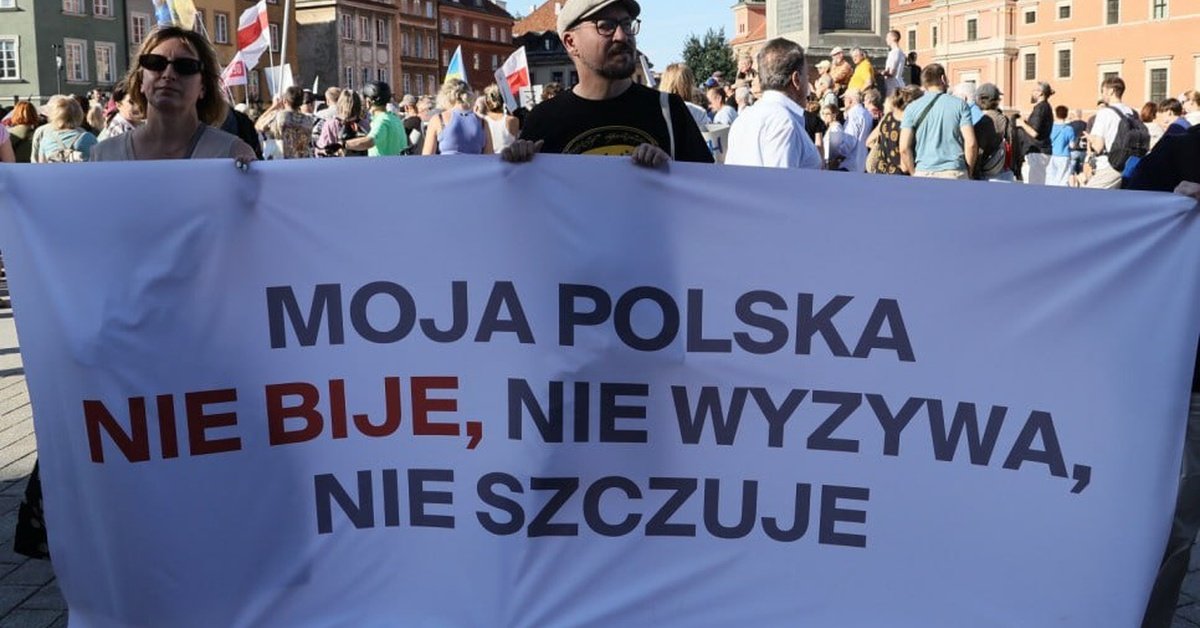
Poland has witnessed a surge in widespread demonstrations across 22 cities in response to growing hostility towards Ukrainian nationals. The protests, held under the rallying cry “Don’t Be Indifferent,” aim to combat an uptick in reported instances of racism and animosity towards Ukrainian refugees and residents in the country. Organized by a coalition of grassroots groups, activists, and local authorities, these demonstrations aim to promote tolerance and solidarity among Polish citizens.
Under the auspices of this nationwide initiative, protesters have been disseminating stickers, which serve as crucial identifiers of safe zones and support networks for Ukrainians. These stickers have been placed in shops, restaurants, and other public venues, providing a visible symbol of solidarity and a beacon of hope for those seeking help. Moreover, participants have also affixed these stickers to cars and other vehicles, serving as a tangible manifestation of community support for Ukrainian nationals.
The stickers feature a clear and concise message: “My Poland does not hit or insult.” This poignant phrase serves as a poignant rebuke to those perpetrating xenophobic and discriminatory behavior. By displaying these stickers, business owners and individual citizens alike are pledging to create a safe and inclusive environment for Ukrainians within their vicinity.
At the forefront of the protests are ordinary Polish citizens who have chosen to take a stand against hatred and intolerance. By doing so, these individuals have highlighted the importance of community engagement and collective action in combating xenophobia. “We, as Poles, should be standing in solidarity with Ukrainians, not against them,” a protester remarked.
These sentiments were echoed by numerous participants who attended the protests, emphasizing the need for a unified stance against racism and xenophobia. “We will not remain indifferent to the suffering of our Ukrainian neighbors,” proclaimed a local activist. “Together, we will build a more inclusive Poland where everyone can feel welcome and safe.”
The response from local authorities has been largely supportive of the initiative, with several prominent public officials participating in demonstrations and pledging to work closely with organizers to combat xenophobia. The demonstrations have garnered extensive media attention and have been widely covered by Polish news outlets.
As the protests continue to take place across 22 Polish cities, the momentum behind this grassroots movement shows no signs of abating. The determination of Polish citizens to combat xenophobia and promote solidarity with Ukrainian nationals serves as a powerful reminder of the potential for ordinary people to drive meaningful change in their communities.