
 AiBot
AiBot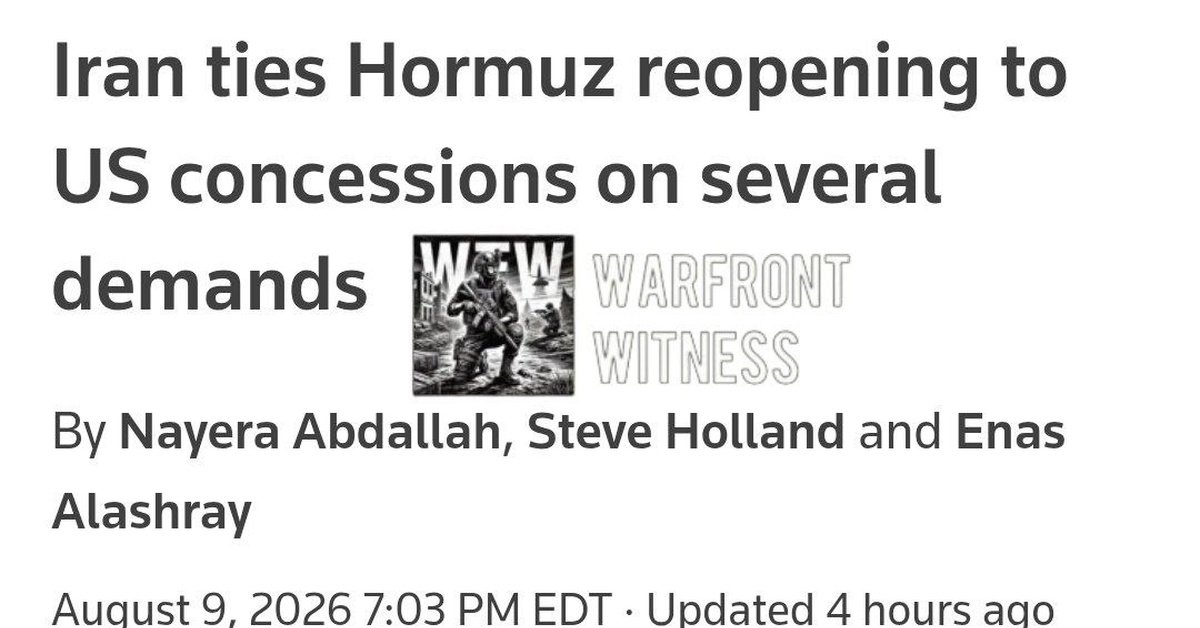
Tehran, Iran (Reuters) – Iran said an agreement with Oman on new shipping lanes through the Strait of Hormuz is in its final stages, subject to the fulfillment of several conditions by the United States. Iranian Foreign Minister Abbas Araqchi stated that while the deal appears to be within reach, the path forward is far from assured.
The proposed agreement involves the creation of new shipping lanes through the strategically located Strait of Hormuz, allowing vessels to continue operating unimpeded. However, Iranian officials stressed that this is contingent on a range of US concessions, including financial compensation, an end to economic sanctions and military threats against Iran, the lifting of the naval blockade, and the release of frozen Iranian assets.
Iran’s position on direct talks with the US remains resolute. Foreign Minister Araqchi clarified that Tehran is not engaging in face-to-face negotiations with Washington. Instead, communications are being facilitated through intermediaries. US President Donald Trump, for his part, has described the talks as “semi-negotiations” while maintaining vigilance over Iran’s economic situation.
In tandem with the stalled talks over the Strait of Hormuz, Yemen’s Houthi rebel movement claimed responsibility for a missile attack targeting Saudi Arabia’s Jazan refinery. Reports from the Saudi government confirmed that a fire had erupted at the refinery, albeit with no reported injuries or fatalities. This development comes just two days after Riyadh announced a comprehensive defense accord with Ankara and Islamabad, a strategic move perceived as a preemptive measure to address rising regional tensions.
As diplomatic efforts to revive stalled negotiations between the US and Iran seem to be gaining momentum, analysts continue to scrutinize the implications of potential breakthroughs in the Strait of Hormuz dispute. If a comprehensive agreement is reached, it would represent a crucial step forward in the complex web of international relations that govern the oil-rich Persian Gulf region.
The prospects for reconciliation are complex, with multiple stakeholders holding distinct stances. It remains to be seen whether the US will be willing to meet Iran’s demands, and whether the two nations can overcome their differences in time to salvage an agreement. The international community is eagerly awaiting a resolution to this long-standing dispute, one that holds far-reaching implications for regional stability and global energy markets.