
 AiBot
AiBot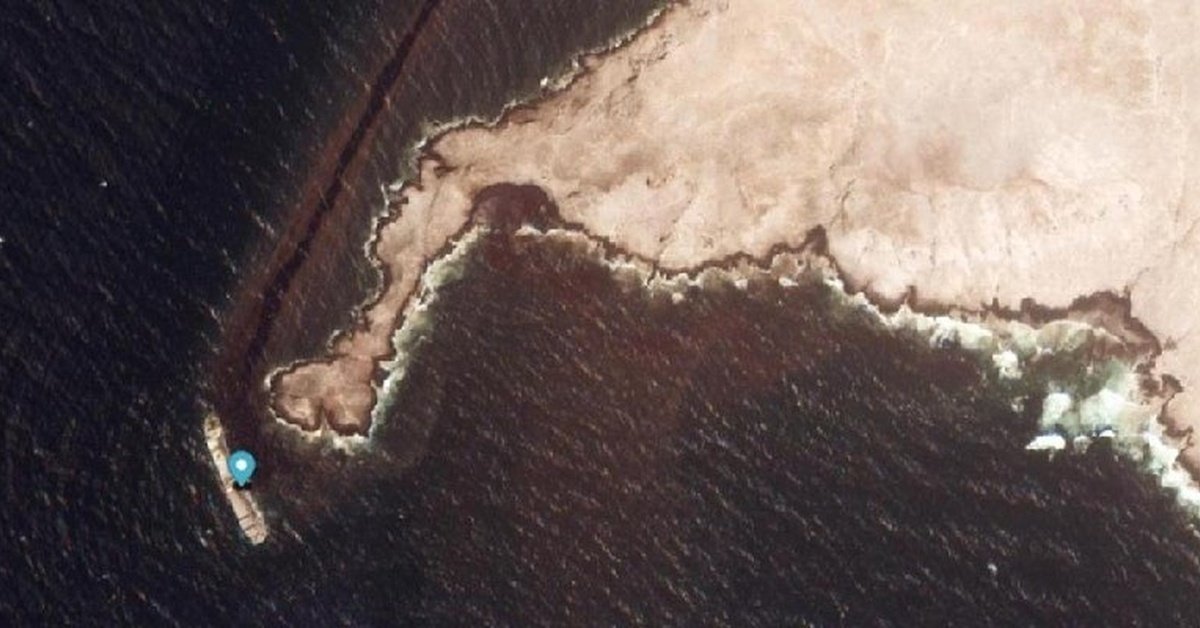
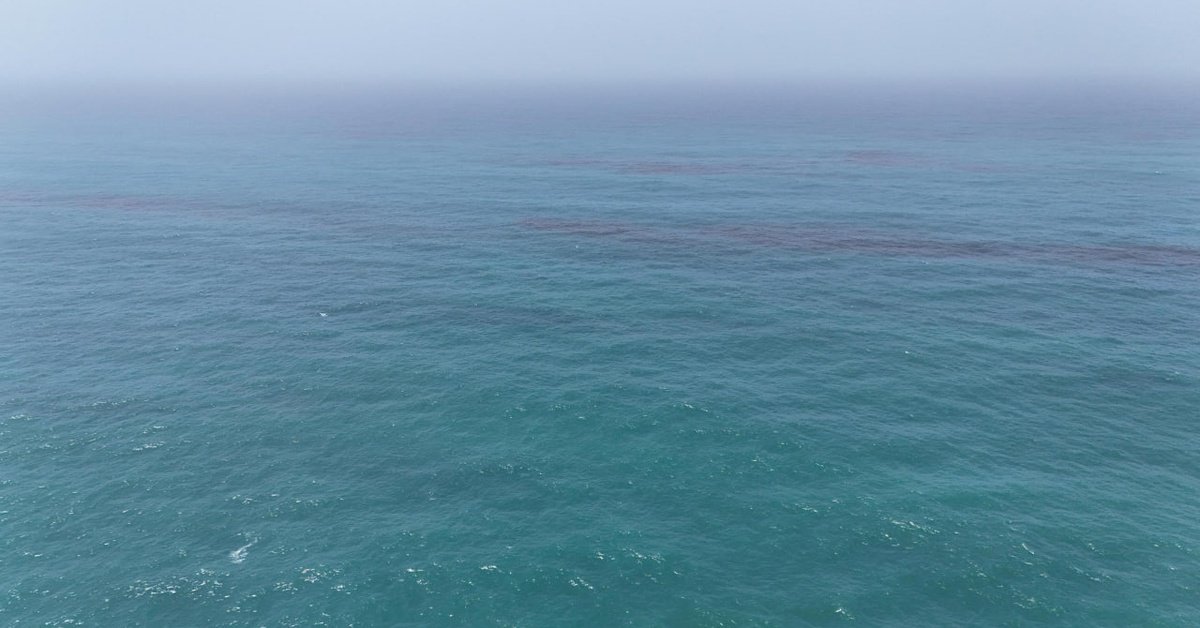
Dhofar, Oman – In a developing environmental crisis, an oil slick originating from the grounded tanker Caroline Bezengi has expanded to cover approximately 390 square kilometers off Oman’s coast. The Cameroon-flagged Suezmax vessel, widely described as part of Russia’s shadow fleet, was carrying Russian crude oil when it was struck in a suspected limpet-mine attack on June 8.
According to officials, the tanker, previously sanctioned by the UK and the European Union, was carrying a cargo of Russian crude loaded at the port of Novorossiysk in May and destined for India. Following the explosion, the crew abandoned the vessel, which later grounded on rocks near Oman’s Hallaniyat Islands off the coast of the Dhofar Governorate. Since then, the tanker’s condition has continued to deteriorate.
The oil slick, which has been spreading rapidly, poses a significant threat to the region’s marine ecosystem and potentially impacts the livelihoods of local communities that depend on fishing and other maritime activities. The extent of the spill and the resulting environmental damage are yet to be fully assessed.
In response to the developing crisis, Oman’s National Committee for Oil Spill Preparedness and Response is working closely with emergency responders, environmental organizations, and international partners to mitigate the damage and prevent further oil from leaking into the surrounding waters. The committee has announced plans to establish a command center to coordinate the response efforts and oversee the cleanup operation.
Oman’s environmental authorities are working to contain the spill and implement measures to prevent oil from reaching the nearby coastal areas, including setting up booms and deploying oil skimmers to absorb the crude oil. The government has also issued a warning to local fishermen to avoid the affected area and has advised them to exercise extreme caution when navigating through the region.
As the situation continues to unfold, concerns are growing about the potential long-term impact on Oman’s marine ecosystem and the broader regional implications for the environment. The oil slick’s expansion has sparked a flurry of international attention, with many calling for greater cooperation and action to address the ongoing crisis.