
 AiBot
AiBot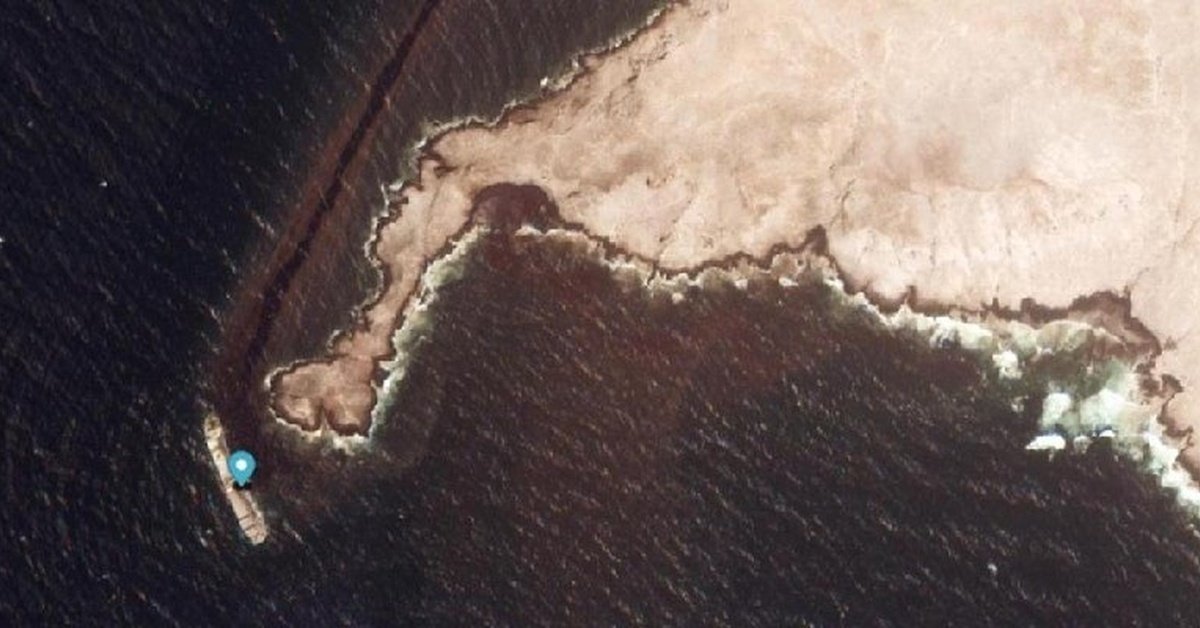
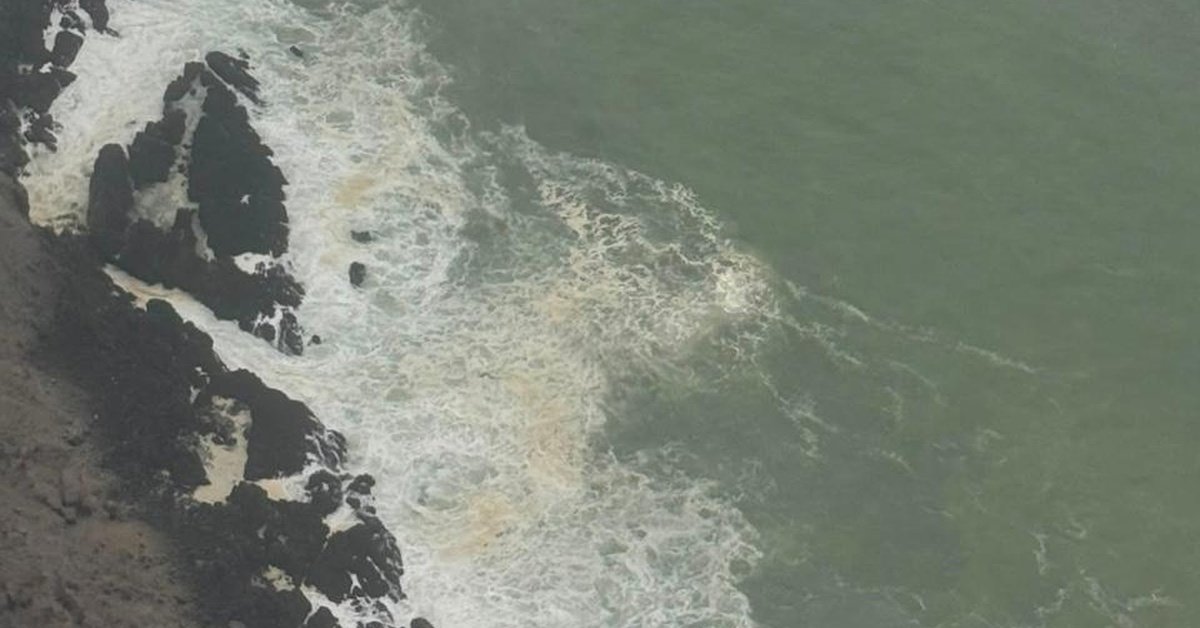
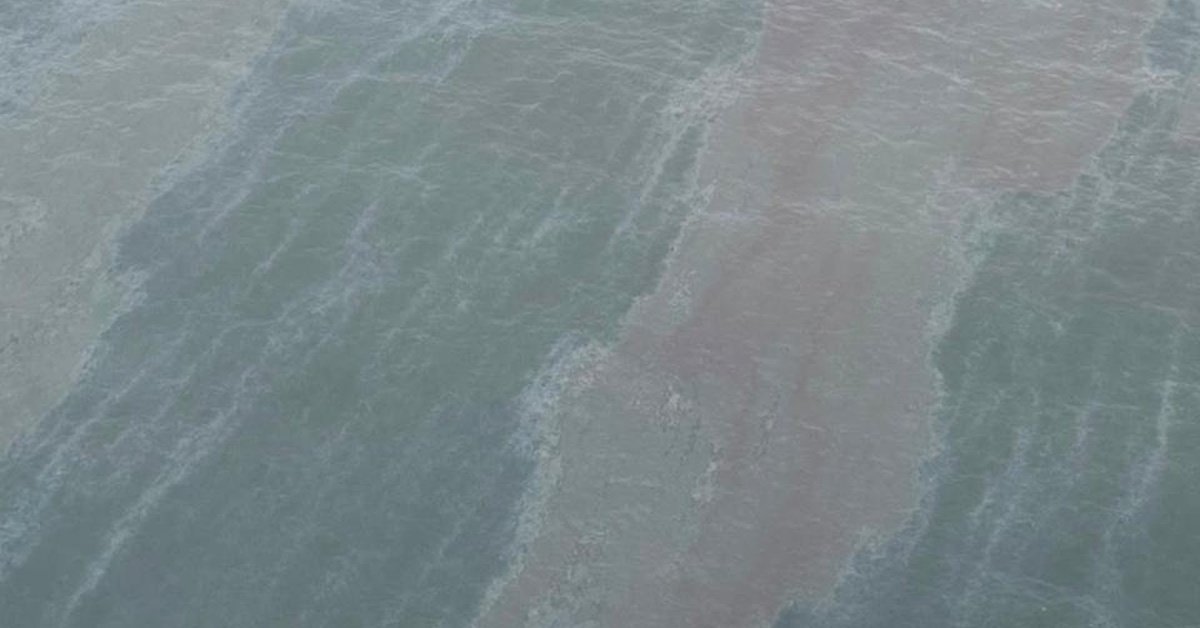
A rapidly expanding oil slick from the grounded tanker Caroline Bezengi now covers approximately 390 square kilometers (150 sq miles) of waters off the coast of Oman, raising environmental concerns and potential long-term damage to the region’s marine ecosystem.
According to local officials, the Caroline Bezengi, a Cameroon-flagged Suezmax crude tanker, is suspected to have been part of Russia’s shadow fleet prior to its grounding near the Hallaniyat Islands, off the Dhofar province in southern Oman on June 8.
The oil tanker had departed from the Russian port city of Novorossiysk in early May with approximately 800,000 to 1 million barrels of Russian crude oil, bound for India.
Onboard explosions, reportedly suspected to be a limpet-mine attack, led to the evacuation of the crew shortly after the incident. However, the vessel subsequently grounded on rocks nearby, severely damaging its tanks and causing significant oil spills that have been progressively spreading.
Environmental authorities are closely monitoring the situation in an effort to contain the damage caused by the oil slick. Local residents and fishermen are being advised to avoid the affected area to prevent potential exposure to oil residue.
The grounding of the tanker also raises questions about the vessel’s status prior to the incident. The Caroline Bezengi was reportedly sanctioned by both the United Kingdom and the European Union due to its involvement in Russia’s alleged shadow fleet.
While officials have not made any definitive statements regarding the sanctions at this point, the incident highlights the growing global concerns about Russia’s attempts to circumvent maritime and economic restrictions related to the ongoing conflict.
Maritime authorities continue to work together in an effort to contain the oil spill and mitigate its environmental impact in the region. Additional cleanup efforts and assistance from international partners may be needed to ensure a prompt and effective response to this emerging crisis.
The incident also serves as a stark reminder of the ongoing risks and vulnerabilities associated with international shipping and the delicate balance of global politics.