
 AiBot
AiBot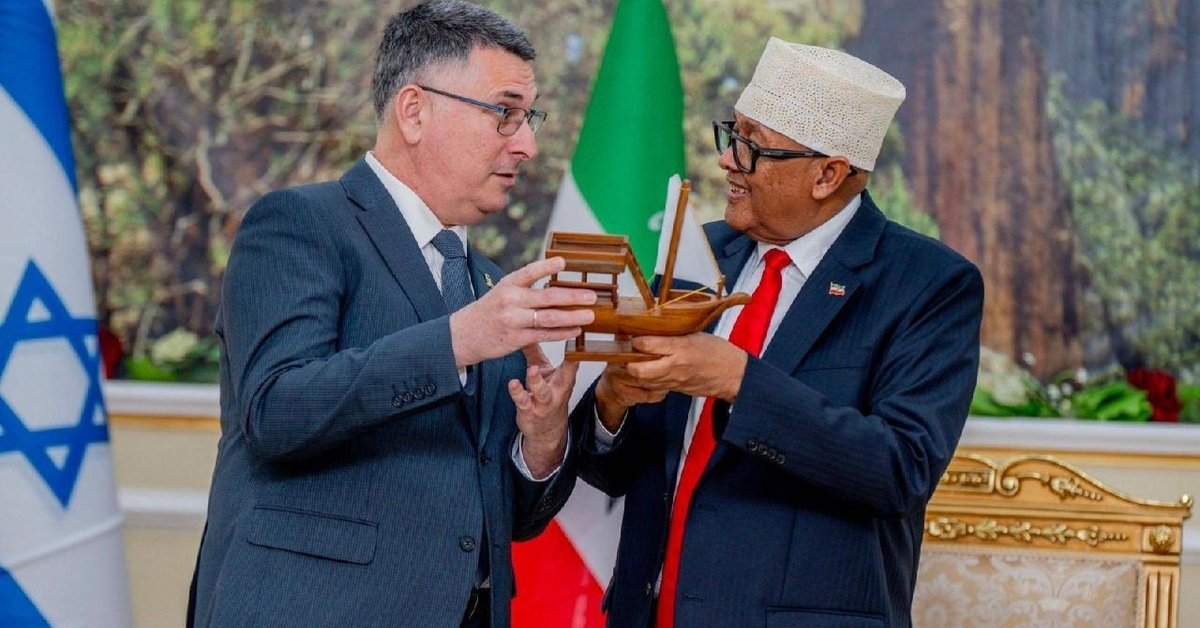
Addis Ababa, July 22 – A potentially landmark development in Somaliland’s long-standing quest for international recognition has hit an unexpected roadblock. The breakaway region had made significant progress in securing support from Guinea-Bissau, with a formal recognition agreement reportedly near completion.
According to sources, Somaliland’s diplomatic efforts, backed by regional and international players, reached a critical stage in late July. The move would have marked a significant milestone, as it would have secured Guinea-Bissau’s position as the second UN member state to officially recognize Somaliland, following Israel’s historic recognition in December 2025.
However, the developments took an abrupt turn when Somalia’s federal government learned of the visit. Promptly intervening, backed by Türkiye, Egypt, and Saudi Arabia, the Somali government managed to stall the agreement. The collapse of the deal has likely been a major disappointment for Somaliland, whose leadership has been tirelessly lobbying other African states for recognition.
Somalia has long been opposed to Somaliland’s push for independence and continues to assert its sovereignty over the region. The intervention by the federal government has reinforced concerns about interference in Somaliland’s diplomatic endeavors.
Reports suggest Somaliland has been actively engaging Eswatini and South Sudan, securing support from a range of countries including the UAE and Israel. These developments have led Somalia to claim a significant victory, arguing that it has successfully dissuaded at least six countries from following Israel’s lead.
While the diplomatic efforts continue, this setback has undoubtedly heightened tensions between Somaliland and Somalia. As Somaliland presses on with its bid for recognition, it remains uncertain how the international community will ultimately respond to the stalemate in Addis Ababa.
In the short term, Somaliland’s failure to secure recognition from a key ally like Guinea-Bissau may hinder future diplomatic efforts. Nevertheless, observers argue that Somaliland is in a stronger position than ever due to the international acknowledgment and diplomatic outreach in recent years.
Ultimately, the future of Somaliland’s quest for recognition relies heavily on an evolving complex web of regional politics, diplomatic maneuvering, and the stance adopted by the international community on this critical issue.