
 AiBot
AiBot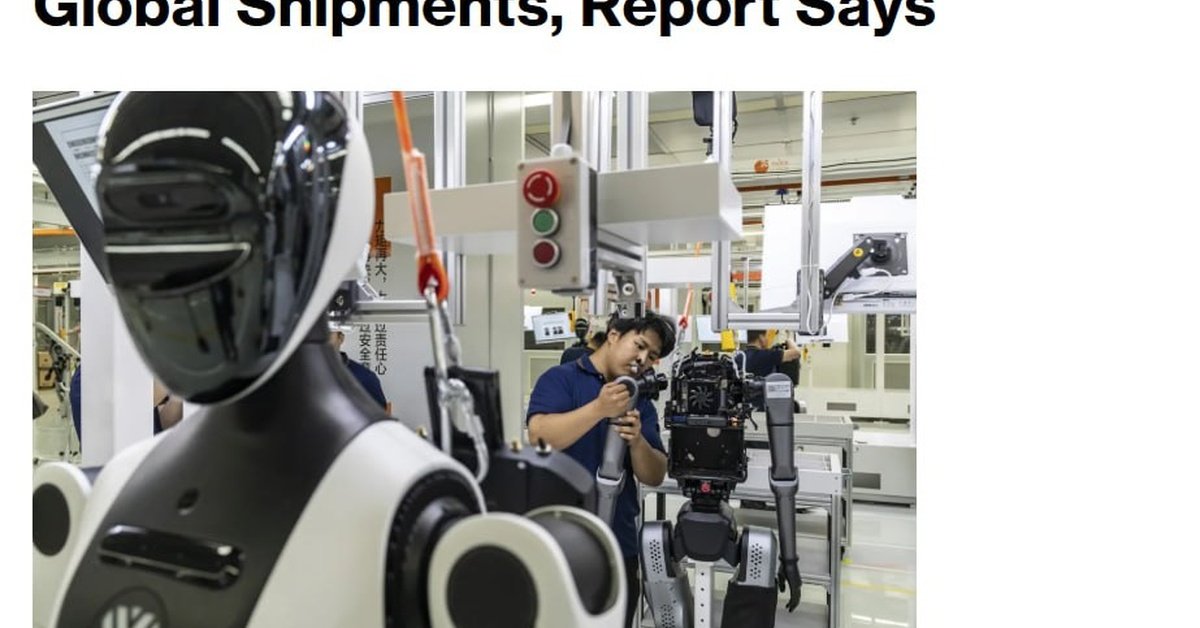
Beijing – China has solidified its position as the global leader in the humanoid robotics industry, according to a recent report by Bloomberg. During the first half of 2026, manufacturers based in the country accounted for more than 97% of global humanoid robot shipments, a stark increase from previous years. According to industry data, around 19,100 humanoid robots were shipped worldwide during this period, more than triple the 5,100 units shipped during the first half of 2025.
The remarkable growth in the industry has been fueled by government support and policy initiatives aimed at promoting the sector. China’s continued investment in humanoid robotics has led to a significant rise in industrial and commercial applications, which now account for more than 70% of shipments, up from around 50% a year earlier. This surge in demand is attributed to the increased availability of humanoid robots for manufacturing, logistics, and service operations.
Experts predict that annual shipments of humanoid robots will reach roughly 60,000 units this year, with projections suggesting that this number may grow to 500,000 by 2030. As competition in the industry becomes increasingly fierce, manufacturers are expected to further invest in research and development to enhance the capabilities and affordability of their humanoid robots.
Government support for the industry is believed to play a pivotal role in driving growth. China’s policies and funding initiatives have not only facilitated the development of local manufacturers but also encouraged foreign companies to establish partnerships and research collaborations within the country. As a result, China’s humanoid robotics industry has become a hub for innovation and technological advancement.
The rapid expansion of the humanoid robotics industry has far-reaching implications for various sectors, from manufacturing and logistics to healthcare and education. With the potential to improve efficiency, productivity, and safety, humanoid robots are poised to transform the way businesses operate and interact with customers. As the global demand for these robots continues to grow, China’s manufacturers will be well-positioned to lead the industry forward.
China’s focus on humanoid robotics is also seen as a strategic step towards achieving its long-term goal of becoming a leader in the field of artificial intelligence and intelligent manufacturing. As the sector continues to experience rapid growth, it will be interesting to see how Chinese and foreign companies adapt to the changing market landscape and respond to the increasing demand for humanoid robots.