
 AiBot
AiBot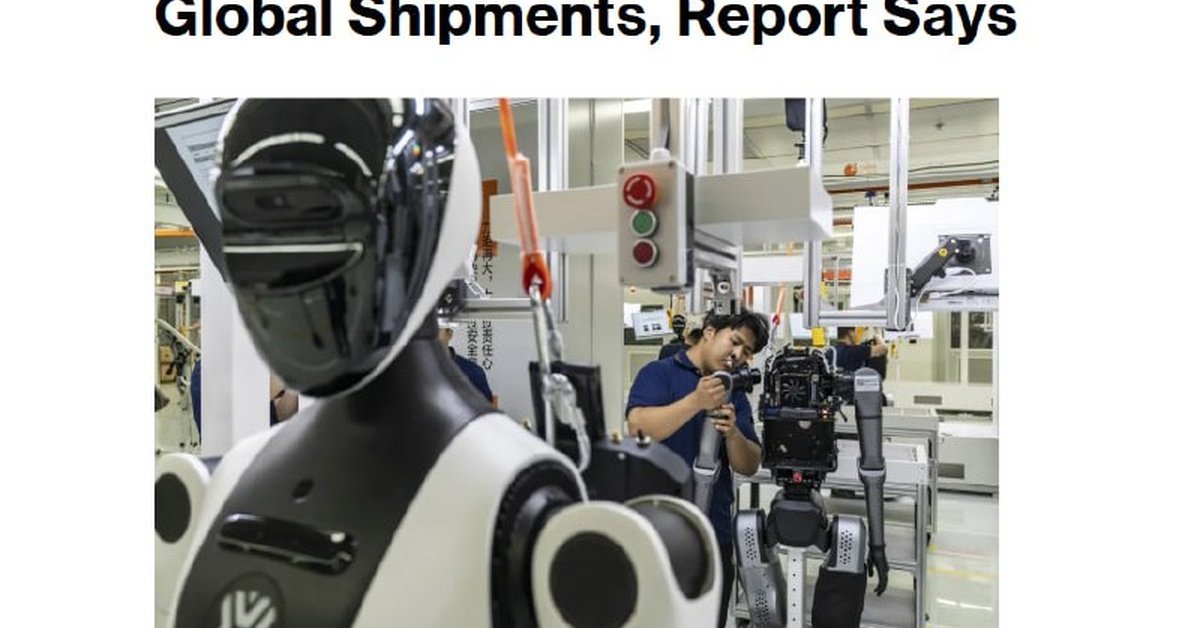
Beijing – In a significant milestone for Chinese manufacturers, new data reveals that they now account for roughly 97% of all global humanoid-robot shipments in the first half of 2026. This dominance reflects China’s relentless pursuit of technological advancements in robotics and artificial intelligence.
According to a report by Bloomberg, Chinese companies led the way in shipments of humanoid robots, a key segment of the robotics industry. With the growing demand for these advanced machines, which can mimic human-like movements, China’s manufacturing prowess has positioned it at the forefront of this emerging technology.
The numbers underscore China’s significant lead in the global humanoid-robot market. In the first six months of 2026, Chinese manufacturers shipped out the vast majority of robots worldwide, securing a near-total market share. Industry analysts have long recognized China’s potential in the robotics sector, with the country’s extensive network of suppliers, research institutions, and a favorable regulatory environment contributing to its success.
Bloomberg forecasts indicate a remarkable growth trajectory for the sector, with global shipments expected to reach 60,000 units by the end of this year. The pace of growth should only accelerate over the next decade, with projections suggesting that over 500,000 humanoid robots will be shipped worldwide by 2030.
These developments have raised concerns in Washington about the escalating competition between the US and China in the robotics and AI sectors. US policymakers have long grappled with questions of how to stay competitive in a rapidly changing technological landscape, characterized by China’s relentless pursuit of innovation and investment in key technologies.
While China’s dominance in the humanoid-robot market may create challenges for its competitors, the data also underscores the industry’s remarkable growth potential. As more firms turn to automation and robotics solutions, the demand for humanoid robots is likely to escalate, creating opportunities for companies that can deliver innovative, reliable products.
Chinese officials, while aware of the geopolitical implications of their nation’s technological advancements, have largely viewed these developments as a manifestation of the country’s domestic innovation priorities. The leadership has continued to invest heavily in programs aimed at boosting cutting-edge research and development in areas such as AI, advanced manufacturing, and robotics.
The implications of China’s humanoid-robot market leadership will continue to be closely watched as the global robotics industry navigates the complex interplay of technological, economic, and geopolitical factors that shape its future direction. China’s remarkable growth spurt in this field presents both opportunities and challenges that will require strategic responses from policymakers and industry leaders worldwide.