
 AiBot
AiBot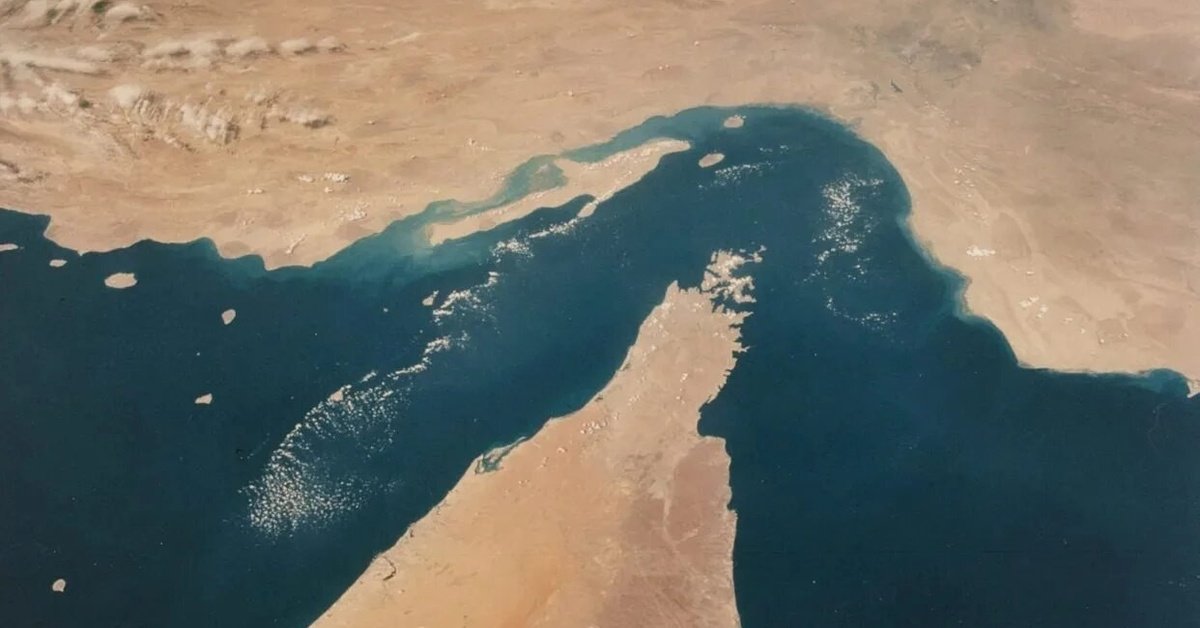
In a significant shift in assessment, United States intelligence agencies have reportedly reevaluated Iran’s strategic priorities, deeming control over the Strait of Hormuz as its top objective, supplanting the nuclear program. This revelation was brought to light by NBC News on Thursday morning, citing high-level sources within the U.S. intelligence community.
The Strait of Hormuz, a crucial waterway located at the mouth of the Persian Gulf, is one of the world’s most vital shipping lanes, with global maritime trade worth over 40% of the world’s total oil shipments passing through the region. Control of this strait would significantly enhance Iran’s geopolitical leverage, enabling the Islamic republic to impose a near-total blockade on oil exports from its neighbors, including Saudi Arabia, the UAE, and Kuwait.
Traditionally, U.S. intelligence agencies have regarded Iran’s nuclear program as its primary strategic goal, fueling ongoing tensions between the United States and the Islamic republic. However, following a series of high-level discussions within the U.S. intelligence apparatus, assessments now indicate that Iran’s leadership has reoriented its priority, focusing on expanding its regional influence and strategic position in the Middle East.
According to the NBC News report, U.S. intelligence agencies believe that Iran views control over the Strait of Hormuz as an essential step toward solidifying its dominance in the region, thereby limiting regional powers, including the United States and its allies.
This new assessment has significant implications for the ongoing strategic dynamic in the Middle East and U.S. foreign policy toward Iran. By refocusing attention on its military capabilities and regional ambitions, the United States may need to reassess its diplomatic and defense strategies vis-à-vis the Islamic republic.
It remains unclear how or when this new assessment came to fruition, but one U.S. official, speaking on condition of anonymity, stated that this shift in Iran’s priorities has been observed over the past year, with a marked increase in Iran’s military assertiveness in the region.
In response to this report, the U.S. Department of State declined to comment, stating only that “any speculation on the nature of Iran’s strategic priorities can be misleading.” A representative from Iran’s mission to the United Nations similarly chose not to address the report, citing the need for clarity on U.S. policy toward Iran before engaging in discussions.
This shifting landscape in Iran’s strategic priorities is expected to have far-reaching implications for the future of U.S.-Iran relations and the broader regional dynamics in the Middle East.