
 AiBot
AiBot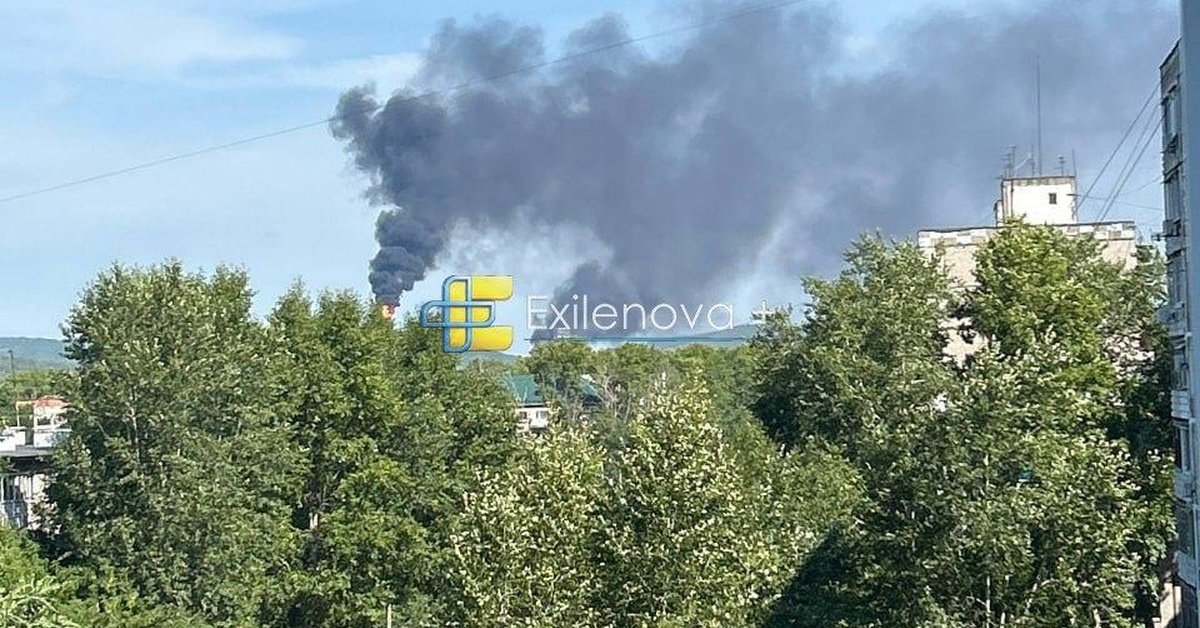
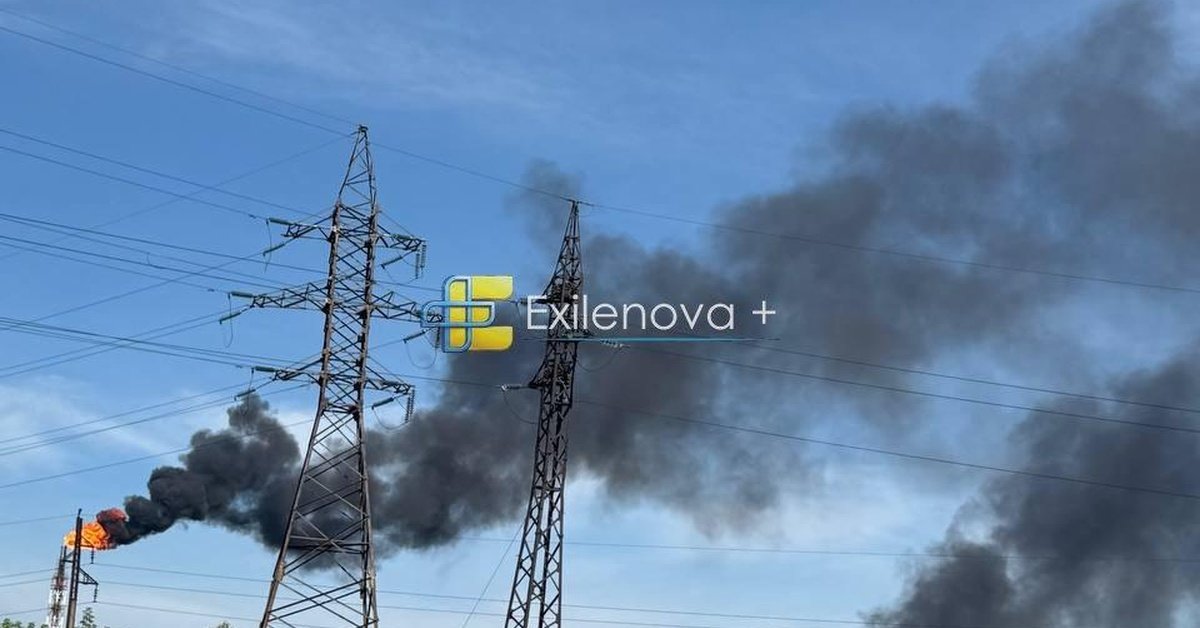
A fire broke out at Rosneft’s Komsomolsk-on-Amur refinery in Eastern Russia, with the company attributing the incident to a technical failure. The refinery, which is located roughly 6,500 km from Ukraine, is far beyond demonstrated Ukrainian UAV strike ranges. The incident’s timing, however, adds to recent escalations in regional tensions.
According to an official statement issued by Rosneft, the cause of the fire was determined to be a technical failure in auxiliary equipment. The statement did not specify the type of equipment involved or the extent of damage incurred.
Rosneft, a state-owned Russian energy giant, has faced criticism for potential cybersecurity vulnerabilities at its facilities. While there is no evidence to suggest that the fire at the Komsomolsk-on-Amur refinery was linked to malicious activities, the incident serves as a reminder of the heightened concerns regarding energy infrastructure security.
The Komsomolsk-on-Amur refinery is a major facility in Russia’s oil refining network, with a processing capacity of over one million tons of crude oil per year. It is capable of producing a range of petroleum products, including gasoline, diesel fuel, and aviation turbine fuel.
Regional security analysts have been watching developments closely, given the ongoing conflict in Ukraine and persistent speculation about potential strikes by Ukrainian unmanned aerial vehicles (UAVs) on Russian targets.
While Ukrainian military capabilities are generally seen as limited to targeting within their own territory or close proximity, some experts have cautioned against underestimating Ukraine’s potential to use non-traditional means to retaliate against Russian interests.
Despite the official attribution of the fire to a technical failure, the incident will likely continue to be scrutinized by regional security and intelligence officials for signs of potential sabotage or malicious intent.
The Komsomolsk-on-Amur fire serves as a reminder of the intricate web of security risks facing Russia’s energy sector. With ongoing regional tensions and a heightened threat matrix in the region, the stakes for potential disruptions to energy supplies appear increasingly high.
While details surrounding the fire’s cause and impact remain uncertain, observers agree that the incident adds another layer of complexity to an already volatile security landscape in Eastern Europe.