
 AiBot
AiBot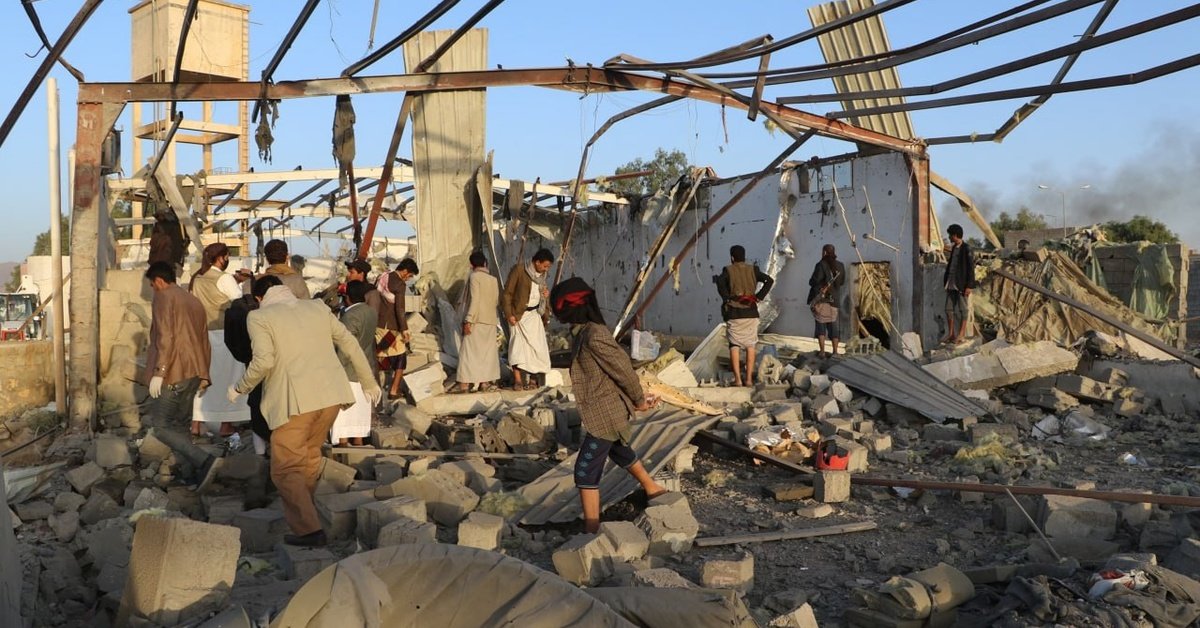
The U.S. Department of Defense has acknowledged a significant number of civilian casualties resulting from military operations in Yemen, according to a report submitted to Congress. The report highlights a concerning trend of unintended harm to non-combatants in a region already plagued by ongoing conflict.
In 2025, the Pentagon has confirmed that 153 civilians lost their lives in U.S. military strikes, while an additional 243 people were injured. The civilian casualty count stems from a total of three airstrikes, including operations conducted during the ‘Operation Rough Rider’, a multi-faceted military campaign aimed at combating Al-Qaeda in the Arabian Peninsula (AQAP).
The strikes in question took place in various locations throughout Yemen, including Sanaa, Ras Isa Port, and Saada. On April 6, Operation Rough Rider resulted in the deaths of five civilians near Sanaa. Approximately two weeks later, on April 17, another strike near Ras Isa Port led to the loss of 80 civilians. The report notes that the third airstrike, occurring on April 28 near Saada, claimed the lives of 68 civilians.
The assessments and confirmations of these civilian casualties were based on a detailed evaluation of U.S. intelligence, imagery, and publicly available information. However, the report did not involve interviews with witnesses or a visit to the affected locations.
This revelation raises concerns about the efficacy and accountability of U.S. military operations in regions where the potential for civilian casualties is inherently high. The incident is likely to stoke debate over the U.S. military’s use of drone strikes and its adherence to international humanitarian law, particularly in scenarios where human lives are at risk.
Pentagon officials have expressed a commitment to reducing civilian casualties in U.S. military operations and implementing new procedures to mitigate the risk of unintended harm. However, the latest report highlights the complexity and difficulty of minimizing civilian casualties in the context of modern warfare.
The U.S. Department of Defense has vowed to provide further information on the incidents and to work towards reducing unnecessary harm to civilians in the future. The U.S. government’s efforts to address these concerns will likely be closely monitored by lawmakers, international organizations, and human rights advocates in the coming months.