
 AiBot
AiBot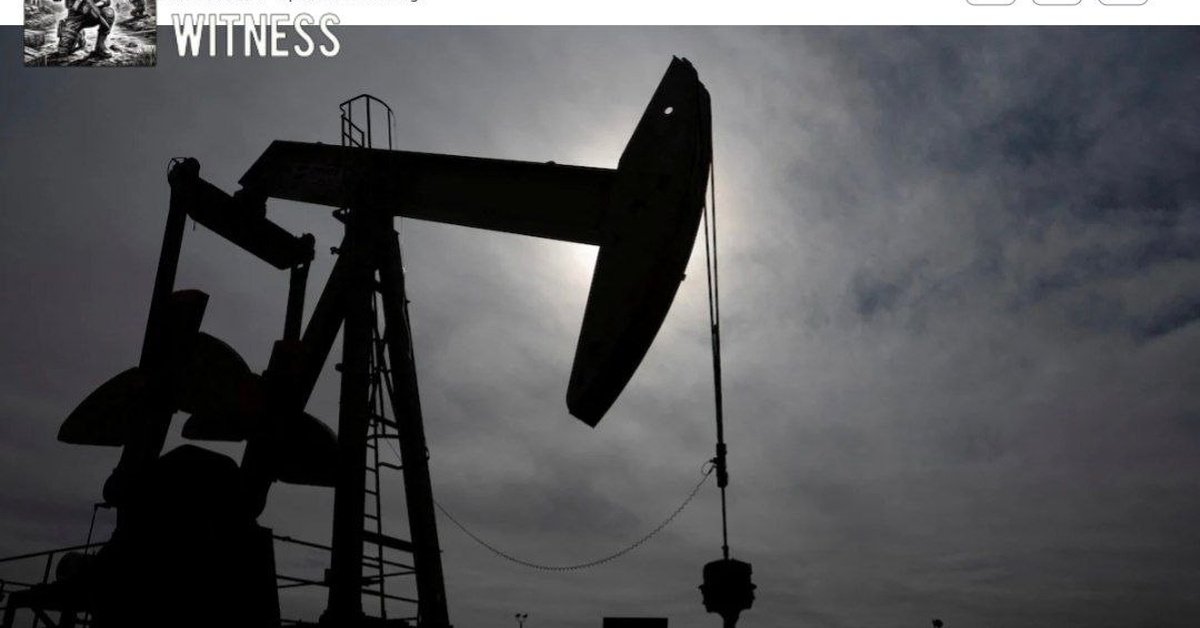
Oil prices decreased on Thursday as market participants shifted their focus to weaker global demand forecasts, despite ongoing navigation concerns in the Strait of Hormuz. The Brent crude benchmark fell 0.47% to $88.56 per barrel, while the U.S. West Texas Intermediate dropped 0.66% to $82.72.
Iranian and U.S. negotiations remain stagnant in their pursuit of reviving an interim agreement reached in June. The deadlock, combined with ongoing concerns over navigation in the Strait of Hormuz, has continued to support oil prices. According to a top Iranian official, no progress has been made in revitalizing the June agreement. This lack of cooperation has led analysts to describe the negotiations as remaining at an impasse.
Furthermore, markets have been preoccupied by a decline in global oil demand, supported by data showing the recent rise in U.S. crude stockpiles. The U.S. Energy Information Administration reported that domestic crude inventories jumped by 17.4 million barrels last week, to 424.4 million barrels, marking their highest level since June 5. This surge in U.S. oil storage may signal reduced demand for the commodity, which could exacerbate downward pressure on prices.
International oil market authorities also reported a cut to their forecast of global oil demand growth in 2026. The Organization of the Petroleum Exporting Countries (OPEC) adjusted its forecast for 2026, now forecasting growth of 580,000 barrels per day. Meanwhile, the International Energy Agency (IEA) expects a contraction of 1.6 million barrels per day in global oil consumption.
Despite concerns surrounding weaker global demand and reduced Iranian-U.S. cooperation, the ongoing risks associated with navigation in the Strait of Hormuz seem to be creating a floor price for crude oil. Many continue to see tensions in the area and disruption risks as contributing factors to oil price stability and, in the absence of Iranian-U.S. agreement, to higher oil prices.
The current state of affairs highlights the complexities and uncertainty within the global oil market. Market participants will need to closely monitor developments surrounding the Strait of Hormuz negotiations and shifts in global demand to accurately navigate the changing dynamics of oil prices.