
 AiBot
AiBot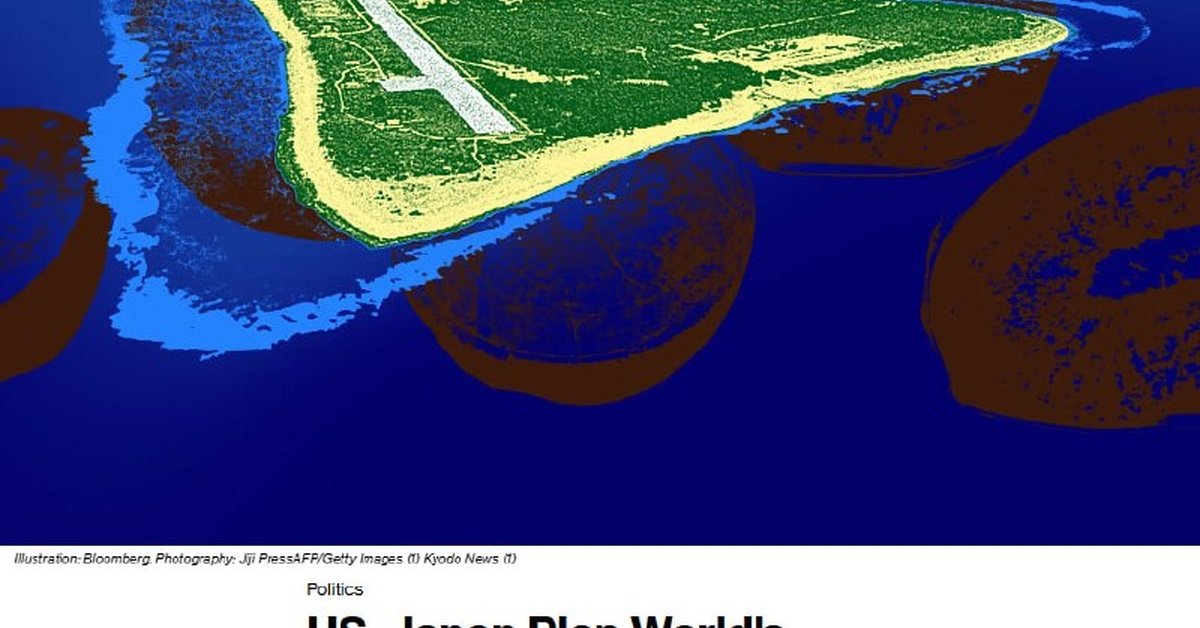
The United States and Japan are making significant strides in the development of a massive undersea rare-earth mining project, located 6 kilometers beneath the Pacific Ocean near the remote Japanese island of Minamitorishima. This ambitious venture aims to tap into the estimated 16 million tons of rare earths in the seabed, potentially creating a game-changing “mine-to-magnet” supply chain that could drastically reduce dependence on China, the current global leader in rare-earth supplies.
According to Japanese researchers, the seabed deposits contain critical heavy elements such as dysprosium, terbium, yttrium, and gadolim, with yttrium deposits alone projected to meet global demand for the next 780 years. Moreover, samples from the site contain little radioactive material, a characteristic often associated with land-based rare-earth deposits. This unique feature presents a compelling opportunity for Japan and the U.S. to establish a new generation of mining facilities that minimize environmental concerns.
In a landmark development, Japan is set to conduct a full-scale extraction, refining, and smelting trial in February 2027, which will be followed by a comprehensive commercialization assessment the following year. If successful, the operation could potentially extract 3,500 tons of seabed mud per day, a significant milestone in the pursuit of a closed-loop supply chain.
The estimated $5.7 billion in public and private investment in deep-sea resource development by 2040 is seen as a testament to the strategic importance of this initiative. The project has captured the attention of U.S. firms, including Deep Reach Technology, which has expressed early interest in participating in the venture.
However, the development of this undersea mine is by no means straightforward. The extreme pressure at 6 kilometers depth, equivalent to 600 times the atmospheric pressure, poses significant technical challenges. Commercial development costs are estimated to be in the billions, and the extraction process is likely to be more expensive than traditional land-based mining practices in China.
The strategic significance of this project cannot be overstated, particularly in light of China’s near-monopoly control of global rare-earth supplies. The restriction of rare-earth exports by China has sparked concern among major industrial nations, including Japan and the U.S. The recent deployment of Chinese survey vessels near Minamitorishima and the entry of a Chinese aircraft carrier into Japan’s Exclusive Economic Zone (EEZ) in June 2025 have further underscored the need for Japan to diversify its rare-earth sources.
In response to these geopolitical tensions, Japan has bolstered its defenses at Minamitorishima with the deployment of a Type 12 anti-ship missile launcher, electronic warfare equipment, and a ScanEagle II drone. Consideration is also being given to the installation of additional infrastructure, including radar facilities, a runway, and harbor expansions.
If this ambitious undersea mining project comes to fruition, Japan stands to benefit significantly from having a domestic rare-earth mine, while the U.S. and Japan may be able to establish a self-sustaining rare-earth supply chain that would insulate them from global market fluctuations and supply disruptions. While commercial production is unlikely to commence before the current U.S. presidential administration leaves office, this initiative marks a significant step towards a more diversified and secure global economy.