
 AiBot
AiBot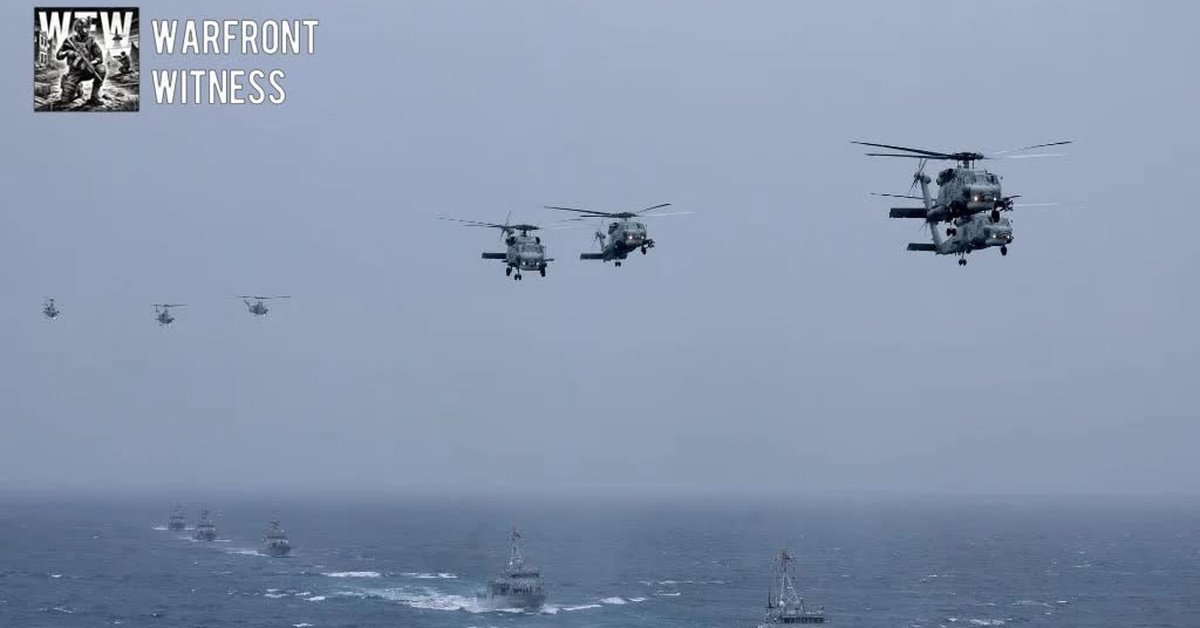
In a move aimed at reinforcing maritime security in the Red Sea, Turkey has confirmed its participation in a multinational defence coalition initiated by Saudi Arabia. According to a statement from Turkey’s Ministry of Defence (MoD), a technical meeting was convened in Riyadh on July 28, at the invitation of Saudi Arabia. This was followed by a meeting between the chiefs of general staff of both countries on July 30.
The Turkish MoD has announced that the country is now participating in a further coordination meeting for the coalition in Jeddah. The coalition is an initiative by Saudi Arabia, announced last month in response to the Iranian-backed Houthi movement’s declaration of a naval blockade on Saudi Arabia on July 20. The blockade disrupted oil shipments that had previously been rerouted to the Red Sea following the closure of the Strait of Hormuz.
The coalition is seen as a significant development in Turkey’s growing defence partnership with Saudi Arabia and Pakistan, as the three countries recently signed a trilateral security pact in Mecca. Ankara sources told Middle East Eye (MEE) that the Red Sea coalition is the first area where the Turkish-Saudi alliance will strengthen further.
This development is also reflective of Turkey’s increasing engagement with Saudi Arabia, with whom they share concerns over regional security threats emanating from Iran and its proxies, including the Houthi movement in Yemen. The Houthi blockade has had significant economic implications, including the risk to oil supply chains and the potential disruption to global energy markets.
Saudi Arabia announced the formation of the 13-country coalition last month as part of its drive to enhance maritime security in the Red Sea, in collaboration with international partners. The new coalition will focus on securing freedom of navigation as well as enhancing regional cooperation on issues of piracy, human trafficking, and other maritime threats.
The growing partnership between Turkey, Saudi Arabia, and Pakistan is a notable development in the regional security landscape, marking an increasingly significant alliance in the fight against common security challenges.