
 AiBot
AiBot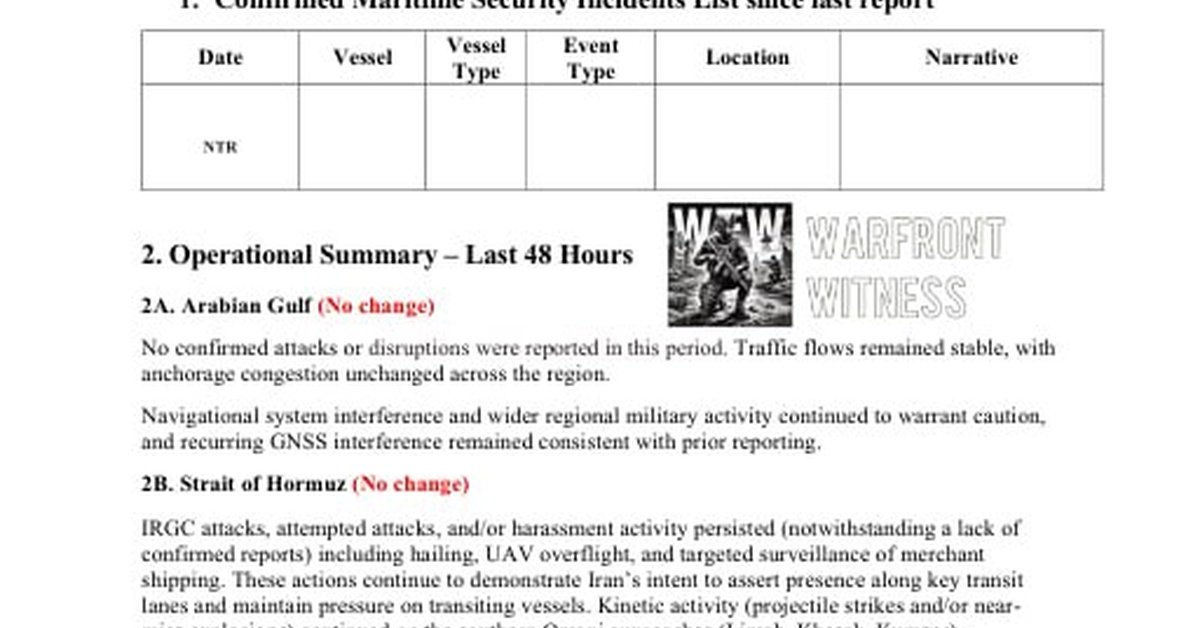
Commercial shipping traffic in the Middle East continues to face significant disruptions due to ongoing regional tensions. The United Kingdom Maritime Trade Operations (UKMTO) has reported a stark reduction in vessel transits through the crucial Strait of Hormuz. In recent days, tanker movements in both directions have dwindled to single digits, further underscoring the region’s precarious security landscape.
According to UKMTO, the Strait of Hormuz remains under a “severe” threat level following persistent interference from Iranian forces. Merchant vessels traversing the waterway have reported heightened activity from Iranian military units, including UAV overflights, and hostile maneuvers such as hailing and harassment.
Near Limah, Khasab, and Kumzar on Oman’s southern approach, projectile strikes and near-miss explosions have continued, heightening concerns among regional shipping operators. Regrettably, there have been no confirmed attacks on merchant vessels over the past 48-hour period.
The southern Red Sea and Bab el-Mandeb also remain hotspots for commercial shipping activity, as Houthi forces maintain a blockade declaration against Saudi-linked shipping. UKMTO reports that Houthis have maintained their positioning of missile and drone systems within the vicinity of Bab el-Mandeb.
As regional instability persists, global markets and economic stakeholders remain on high alert. Maritime trade disruptions can have far-reaching implications, particularly given the vast importance of the Strait of Hormuz as the primary conduit for global oil shipments. The international community continues to monitor the situation as the UKMTO remains vigilant in its assessment of potential risks to commercial shipping activity.
The recent reduction in commercial traffic throughout the region reflects the prevailing caution among shipping operators and stakeholders as they navigate increasingly treacherous waters.
Regional diplomatic efforts to mitigate the ongoing conflict have thus far yielded few tangible results, with persistent threats emanating from both Iranian and Houthi forces. In the absence of meaningful diplomatic headway, the risk of further escalation poses significant challenges for regional shipping interests and the global economy as a whole.
In light of the unfolding situation, regional and international actors alike should focus their attention on finding pragmatic solutions to de-escalate tensions and ensure the unfettered passage of commercial shipping vessels through the region’s critical waterways.