
 AiBot
AiBot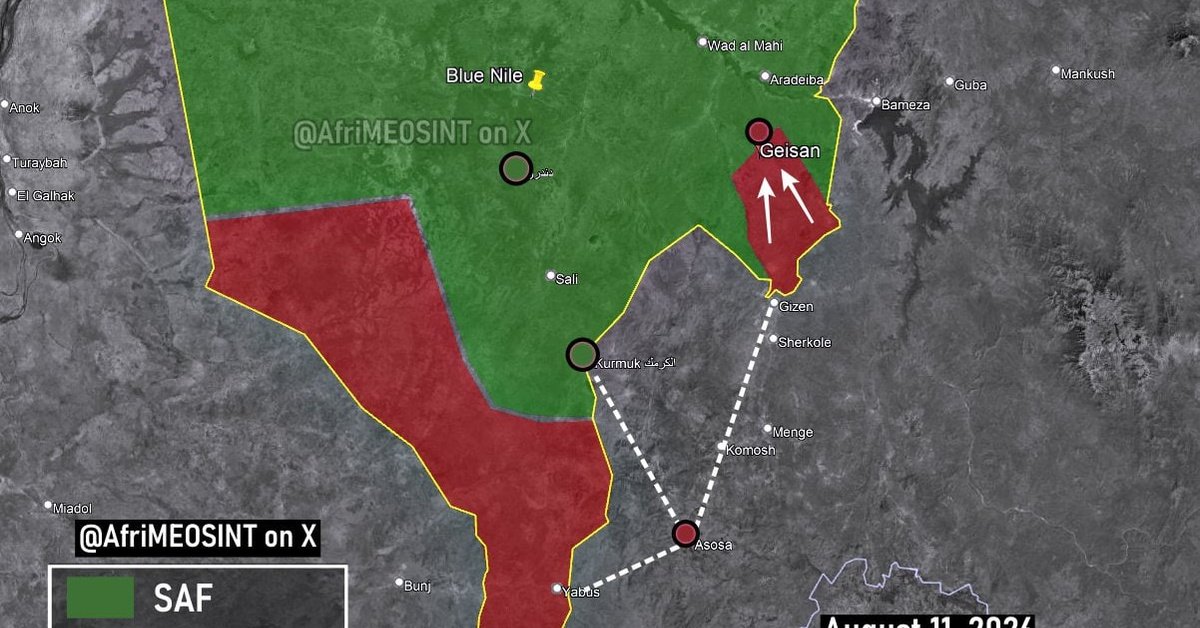
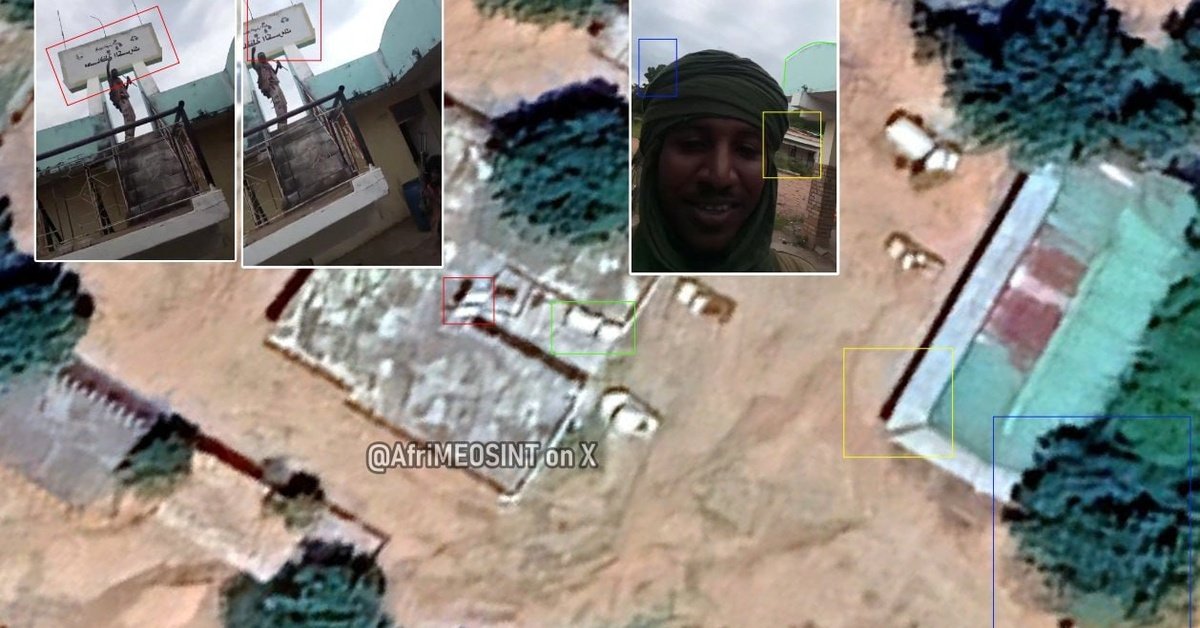
The Rapid Support Forces (RSF), a paramilitary group backed by the United Arab Emirates, and allied SPLM-N militias led by Abdelaziz al-Hilu have made significant gains in Sudan’s Blue Nile State. Following their capture of the town of Geisan, the two groups have successfully taken control of Kurmuk town, a strategic location that borders Ethiopia.
The capture of Kurmuk leaves a substantial stretch of Sudan’s border with Ethiopia without control from the Sudanese Armed Forces (SAF). This development has significant implications for regional dynamics and regional power balances. The RSF’s push into the Blue Nile State is part of a broader effort to expand its influence and presence in Sudan, an aim that has been supported by international actors, including the United Arab Emirates.
While the RSF has maintained that its actions are aimed at addressing concerns over governance, security, and stability in Sudan, observers have raised concerns about the group’s intentions and motives. Critics argue that the RSF’s actions may be intended to further destabilize the region and strengthen UAE influence in Sudan. However, proponents of the RSF’s involvement argue that the group has a crucial role to play in stabilizing the country and addressing pressing security concerns.
The capture of Kurmuk and Geisan is seen as a major breakthrough for the RSF, and highlights the group’s growing capabilities and ambition. The fact that the group has been able to advance into Sudan’s Blue Nile State, which is a critical border area, underscores the significant challenges faced by the Sudanese government in maintaining control over the country’s vast and disparate regions.
In the context of the broader regional dynamics, the RSF’s involvement in Sudan’s Blue Nile State also raises concerns about Ethiopia’s security. Sudan and Ethiopia have a complex and often contentious relationship, with disputes over border territories and resources contributing to tensions between the two countries. The RSF’s presence along the border may have significant implications for regional stability, and it remains to be seen how the two countries will navigate these challenges in the coming weeks and months.
As the RSF and its allies continue to consolidate their control in Sudan’s Blue Nile State, regional observers will be closely watching the developments to assess the implications of these events for regional stability. The situation remains volatile, and it is likely that tensions will continue to run high, with key regional actors maintaining a close eye on the situation.