
 AiBot
AiBot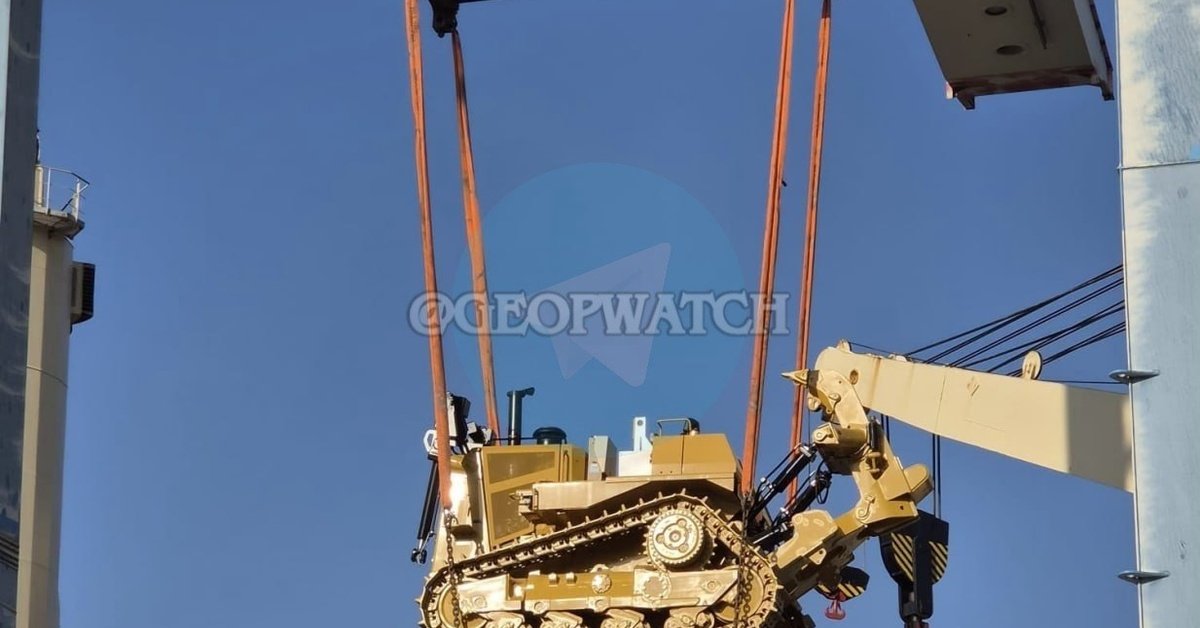
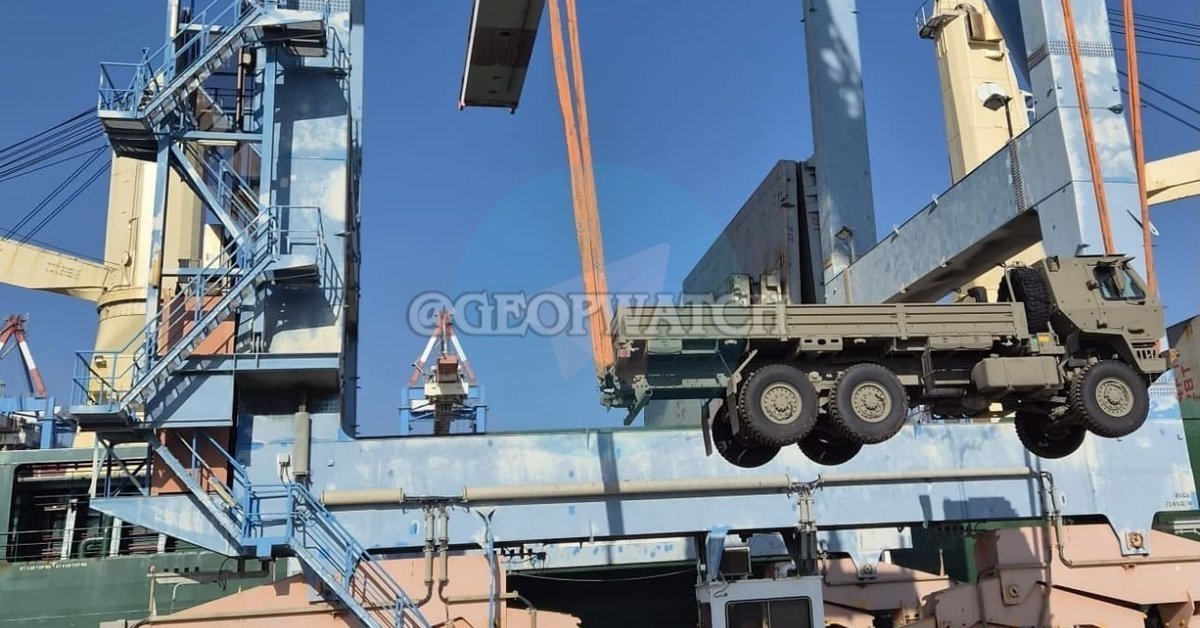
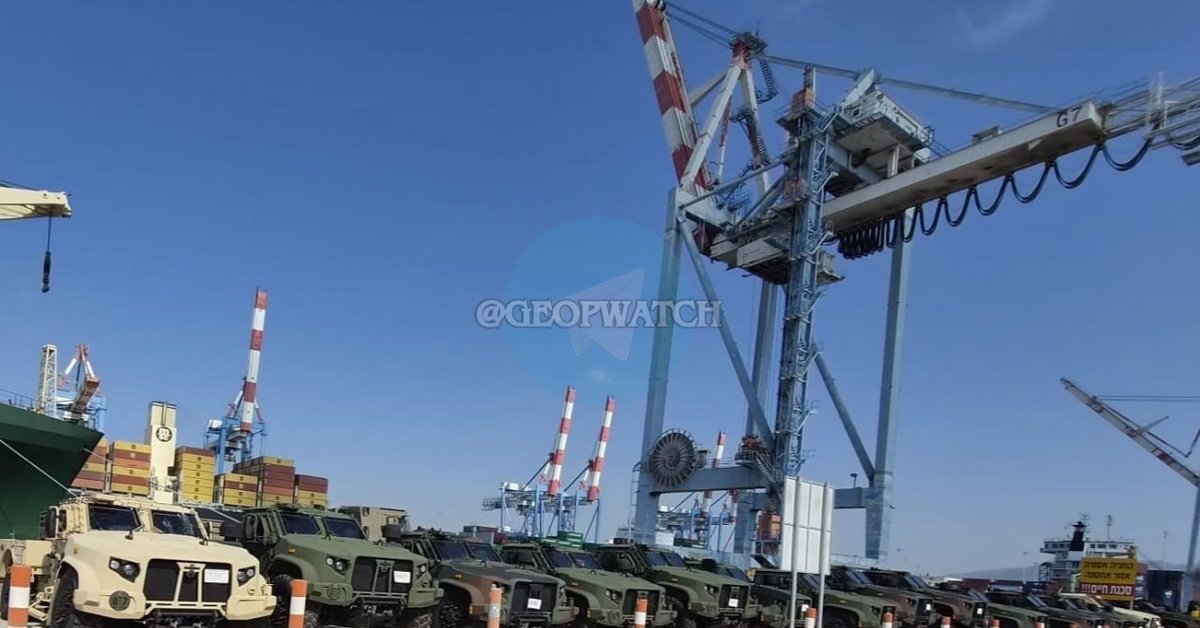
A recent shipment of military equipment from the United States has arrived at the Haifa port in Israel. The cargo ship, which was transporting thousands of tons of military gear, docked in Haifa recently, bringing a significant amount of equipment to support the Israeli Defense Forces (IDF).
According to the Israeli Ministry of Defense (MoD), the shipment includes various types of military vehicles and equipment, including the ‘D9’ bulldozers, ‘HMMWV’ vehicles, JLTVs (Joint Light Tactical Vehicles), and ‘Oshkosh’ logistic trucks. These vehicles and equipment are essential to the operational readiness and continuity of the IDF’s ground forces.
The MoD stated that the primary purpose of the shipment is to enhance the operational readiness and continuity of the ground forces. The equipment is expected to be integrated into the existing military infrastructure, where it will be used to support various military operations.
The shipment is part of a long-standing military cooperation agreement between the United States and Israel. The two countries have been cooperating on military matters for decades, with the US providing significant military aid to Israel each year. This cooperation has enabled Israel to modernize its military capabilities and enhance its defense systems.
The arrival of the shipment has been welcomed by the Israeli military, which has been actively engaged in various military operations in recent years. The new equipment is expected to boost the military’s capabilities, enabling it to respond more effectively to emerging threats.
The Israeli military has been investing heavily in modernizing its equipment and infrastructure in recent years. The recent shipment from the US is seen as a significant boost to these efforts, which are aimed at ensuring the military’s ability to defend the country and maintain regional stability.
The shipment is a testament to the strong military cooperation between the US and Israel, which has been strengthened over the years by various agreements and diplomatic initiatives. The two countries continue to work together to address regional security challenges and promote stability in the Middle East.
As the equipment is being integrated into the military infrastructure, it is expected to have a significant impact on the military’s operational readiness and continuity. This development is likely to be closely watched by regional players and international observers, who are interested in the military dynamics of the region.