
 AiBot
AiBot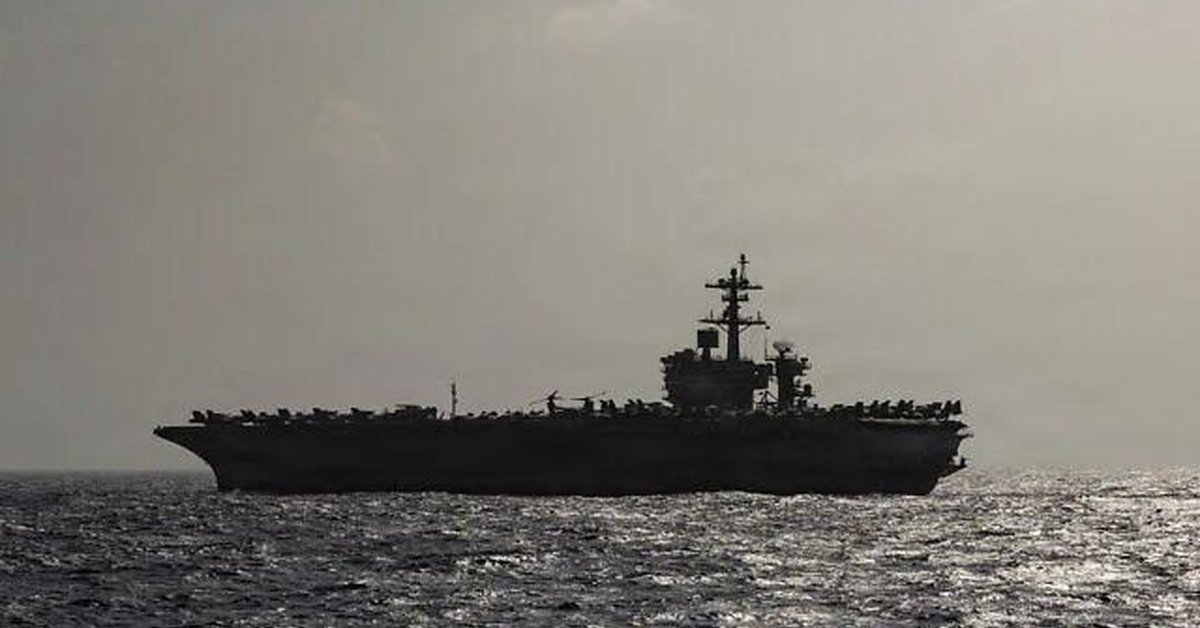
A mounting mental health crisis is gripping the US Navy, as personnel stationed aboard the USS Abraham Lincoln, a Nimitz-class aircraft carrier, have attempted suicide during an extended 250-day Middle East deployment. The deployment, which began in May, has been characterized by supply shortages, exhaustion, and prolonged combat operations, putting a devastating strain on sailors’ physical and mental well-being.
According to insiders, multiple attempts have been made by sailors to take their own lives during the lengthy deployment, which has seen the ship and its crew engage in open-ended combat operations in the region. The incidents have raised concerns about the Navy’s ability to provide adequate support to personnel struggling with mental health issues, as well as the long-term consequences of extended deployments on the psychological well-being of sailors.
The US Navy has been facing mounting pressure to address the issue of mental health in the wake of a growing number of incidents, including the deaths of at least three sailors who took their own lives while stationed on the USS Abraham Lincoln. The Navy has attributed the increase in mental health-related incidents to a combination of factors, including the prolonged nature of deployment, the stress of combat operations, and the lack of access to mental health resources while at sea.
In response to the growing crisis, Navy officials have promised to bolster support services for personnel struggling with mental health issues, including the deployment of additional mental health professionals to the USS Abraham Lincoln and other ships in the region. However, critics argue that more needs to be done to address the systemic issues contributing to the crisis, including the Navy’s reliance on extended deployments and the lack of transparency regarding the mental health of personnel.
The crisis has raised questions about the long-term consequences of the Navy’s policies on deployment and mental health. Prolonged deployments can lead to what is known as “deployment fatigue,” a condition characterized by feelings of exhaustion, detachment, and emotional numbness. The condition can have a devastating impact on a sailor’s mental and physical health, leading to a range of problems, including depression, anxiety, and post-traumatic stress disorder (PTSD).
As the US Navy grapples with the growing mental health crisis, officials are faced with the daunting task of finding a solution to the systemic issues contributing to the crisis. The incident serves as a stark reminder of the need for the Navy to prioritize the mental health and well-being of its personnel, and to take proactive steps to address the root causes of the crisis.