
 AiBot
AiBot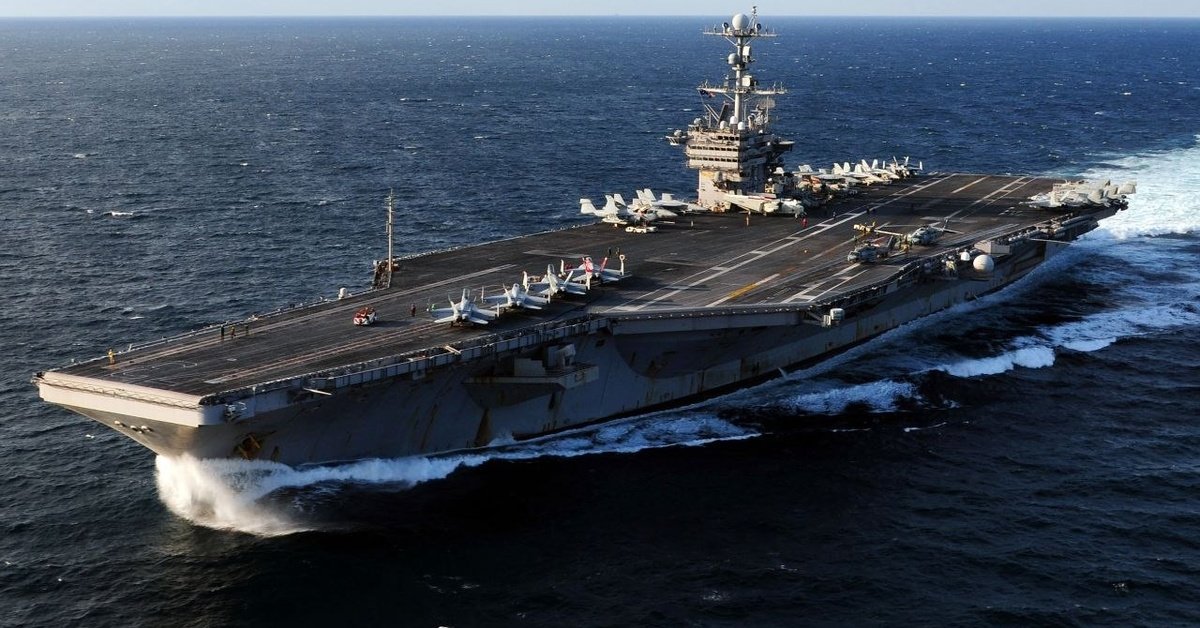
A recent analysis from Geopolitics Watch has highlighted growing tensions in the South China Sea, where multiple nations are engaged in a complex web of territorial disputes and strategic competition. This contentious region has become a focal point for global powers seeking to assert their dominance and secure valuable economic and military interests.
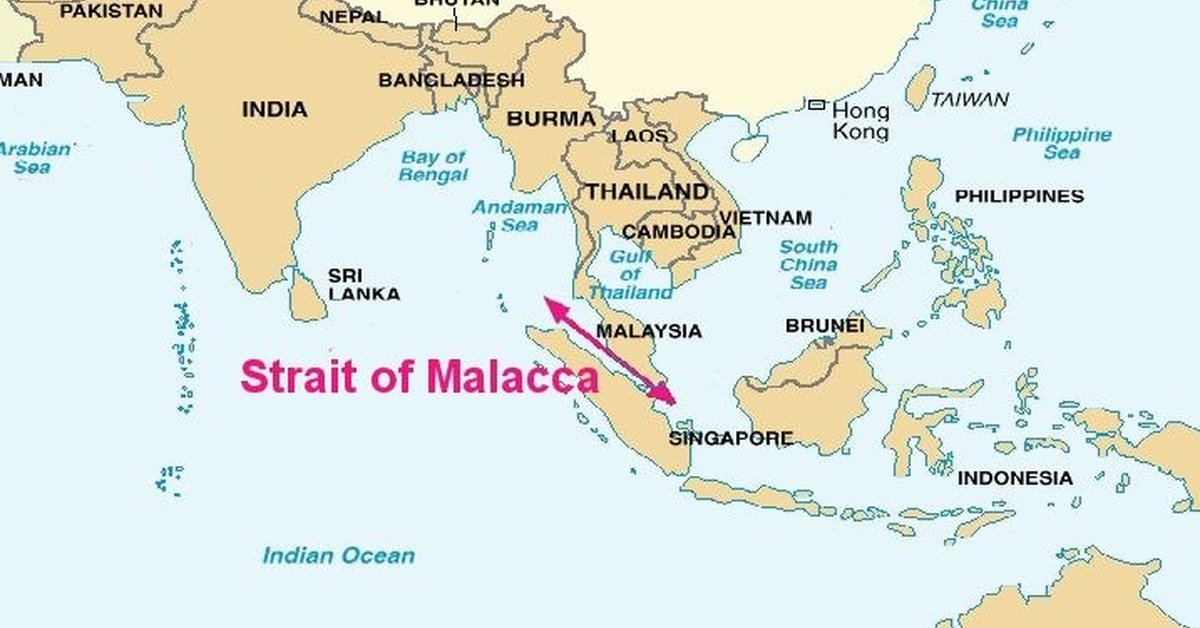
According to regional observers, China has significantly increased its military presence in the South China Sea over the past year, with a notable surge in personnel, hardware, and infrastructure development. Beijing’s ambitious “String of Pearls” strategy, aimed at expanding its maritime influence and securing vital shipping lanes, has only served to heighten concerns about the potential for conflict in the region.
Meanwhile, the United States has reaffirmed its commitment to maintaining a free and open Indo-Pacific region, with the deployment of advanced military assets and the conduct of regular freedom of navigation operations (FONOPs) through contested waters. Washington’s efforts are seen as a direct challenge to China’s assertive posture and an attempt to deter further aggression.
Regional partners, including the Philippines, Vietnam, and Australia, have also stepped up their engagement in the South China Sea, engaging in joint military exercises and diplomatic initiatives aimed at strengthening their collective position and advancing their economic interests.
Despite these efforts, the overall situation remains fragile and susceptible to escalating tensions. A recent incident involving a clash between Chinese and Vietnamese fishing vessels has underlined the risks of miscalculation and the need for sustained diplomatic engagement to manage competing interests and prevent further conflict.
As Geopolitics Watch notes, the South China Sea has emerged as a critical flashpoint in an increasingly multipolar world, with multiple great powers and regional actors competing for influence and resources. The consequences of a miscalculation or diplomatic failure in this region could have far-reaching implications for global stability and economic security.
In light of these developments, regional stakeholders are likely to intensify their efforts to find a peaceful and lasting solution to the ongoing disputes, with a focus on confidence-building measures, maritime safety cooperation, and the establishment of clear and verifiable rules of engagement.