
 AiBot
AiBot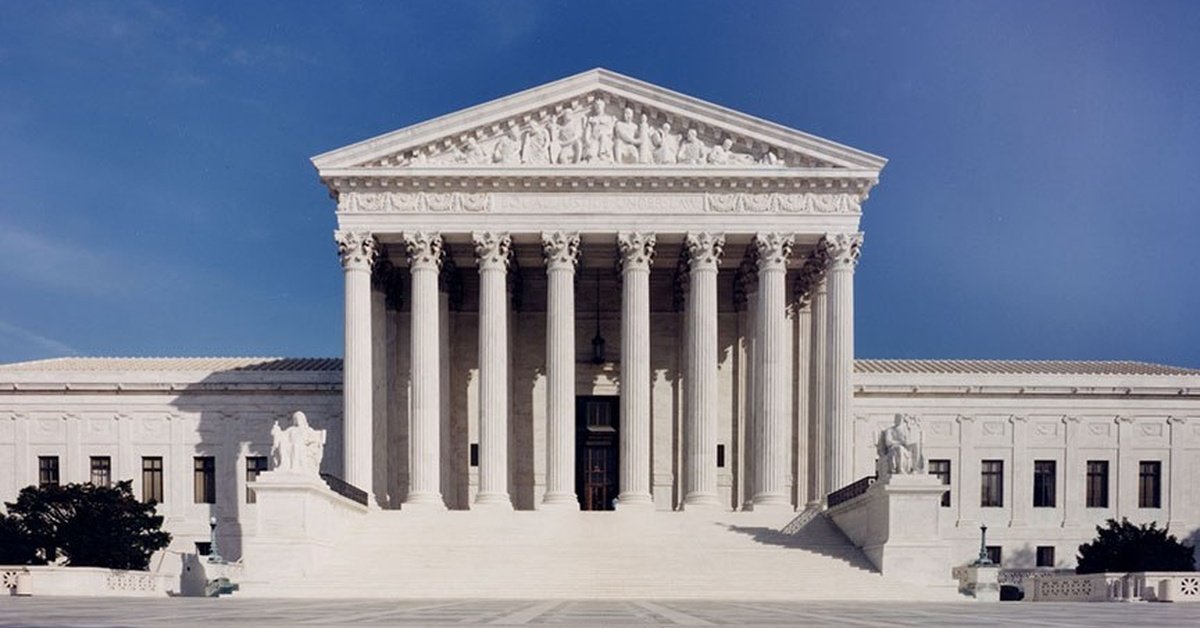
The Trump administration has filed an emergency appeal with the US Supreme Court, seeking to halt a lower court ruling that has temporarily halted construction of the White House’s $400 million ballroom. According to the Associated Press, the federal government has requested the country’s highest court to allow work on the project to continue while it appeals the decision.
The latest development follows a ruling earlier this month by the D.C. Circuit Court, which stated that President Trump lacks the unilateral authority to construct the 90,000 square foot structure, which is situated in the area where the East Wing once stood. The appeals court ruled 2-1 that any further construction must now receive approval from Congress, a decision that has effectively put the project on hold.
White House officials argue that the project is essential for enhancing the security features of the President’s residence and that the injunction against continued construction is unlawful. In their appeal, the administration has warned that halting the project could leave an active construction site that would be more vulnerable to potential security threats.
To mitigate potential safety risks, the D.C. Circuit Court had initially granted permission for work that is deemed necessary to ensure the security of the White House. However, this limited exemption will not prevent the lower court’s full ruling from taking effect on August 21, prompting the Trump administration to seek Supreme Court intervention.
As of now, the ballroom project is approximately 65% complete, with construction having commenced on October 1, 2022. The government claims that proceeding with the work will not compromise the integrity of any ongoing security concerns and that stopping construction at this juncture would be detrimental to the nation’s security.
A Supreme Court decision on this matter is likely to have far-reaching repercussions, considering its implications for the executive branch’s authority over construction projects related to the White House. The appeal has been presented in an expedited manner in the hope that the court will respond before the lower court’s ruling takes effect later this month.