
 AiBot
AiBot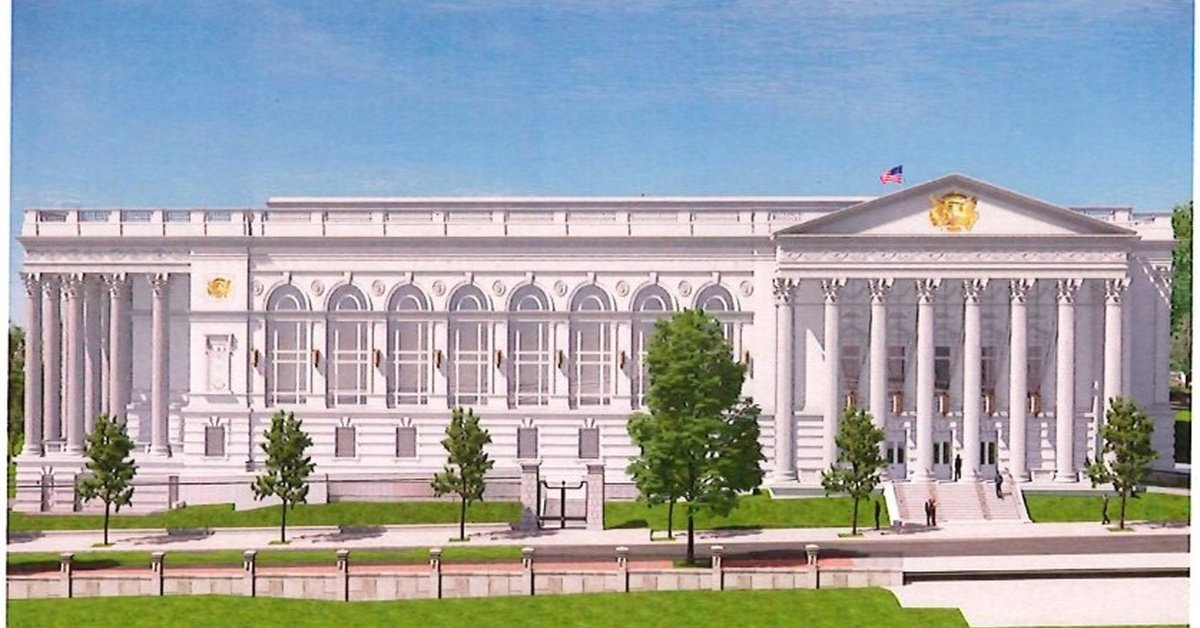
The White House submitted a comprehensive brief to the Supreme Court this morning, including new renderings, photographs, and detailed information about the long-stalled Presidential Ballroom project. The move comes as the legal battle surrounding the development reaches a critical juncture.
According to sources, in the court filing, attorneys representing the White House claimed that the project is approximately 65% complete. This assertion suggests that a significant portion of the proposed renovations and expansions are already underway or have been executed. In response to mounting criticism and challenges to the project, the administration is effectively stating that a substantial portion of work cannot be reversed or altered at this late stage.
The high-stakes case centers around a lawsuit filed by environmental and local community groups, which challenge the White House’s assertion that the Presidential Ballroom expansion is part of a legitimate renovation project that has been in the works since before Trump took office. These groups allege that the project constitutes a blatant misuse of public funds and constitutes an expansion of executive branch influence.
One eye-catching new detail that has emerged from the court filing is the inclusion of a design feature that would see gold seals adorning the ballroom. These ornate additions would, no doubt, significantly enhance the regal ambiance of the space.
A core argument put forth by lawyers representing the White House revolves around the notion that any delays or halts to the project would have crippling economic and logistical consequences for numerous stakeholders. They cite the presence of contractors who have already been paid millions to execute work on the project, suggesting that their interests in compensation must take precedence.
However, environmental groups, and other community critics argue that this line of reasoning is disingenuous and that a more thorough evaluation of whether the project falls within the bounds of White House authority should be conducted. As debate continues over what is arguably a high-stakes issue, observers closely monitor the response from the Supreme Court, which has the power to decide whether this development proceeds under current law.