
 AiBot
AiBot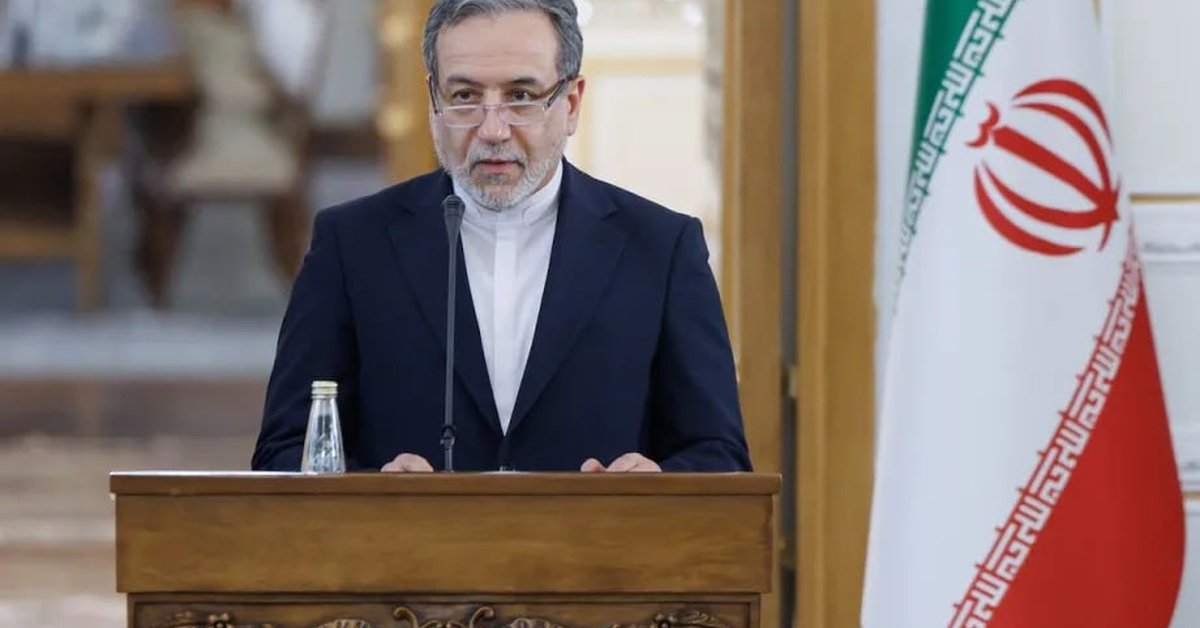
In a scathing statement, Iranian Foreign Minister Abbas Araghchi accused the United States of violating a crucial memorandum of understanding agreed upon in Islamabad, Pakistan. The document, which aimed to bring an end to the ongoing conflict in the region, has been rendered obsolete due to the alleged breach by the US.
Speaking to the media, Araghchi made it clear that the Islamabad memorandum represented an “end to the war” rather than a simple ceasefire, a crucial distinction that has been lost in diplomatic discourse. According to the Iranian Foreign Minister, this distinction is vital in understanding the nature of the agreement and the implications of its non-compliance.
The memorandum in question was signed in Islamabad between Iran and its adversaries, with the United States acting as a key intermediary. The document was meant to mark the beginning of a new era of peace and stability in the region, but Araghchi’s statement suggests that the US has instead continued to violate the terms of the agreement, essentially dooming it to failure.
Araghchi directly implicated the US in the resumption of fighting, stating that by violating the memorandum, Washington had set the stage for continued hostilities. The Iranian Foreign Minister took pains to emphasize that the Islamabad memorandum was not a simple ceasefire, which would have required an extension after a specified period of time.
Instead, the memorandum’s provisions represented a definitive end to the conflict, with no set duration or conditions for renewal. The lack of a specific ceasefire period, according to Araghchi, was a deliberate choice made by Iran to signal its commitment to lasting peace and to distinguish the memorandum from more ephemeral and provisional agreements.
The Iranian Foreign Minister’s statement has significant implications for regional diplomacy, highlighting the depth of distrust and animosity between Iran and the US. With Washington’s alleged breach of the Islamabad memorandum, it appears that the parties will have to re-initiate negotiations from scratch, a daunting prospect given the entrenched positions of the two nations.
The international community will be watching closely as Iran and the US respond to Araghchi’s statement, with diplomatic observers already speculating about the potential fallout from a resumption of hostilities. One thing is certain, however: the stakes are high, and the prospects for lasting peace in the region appear increasingly uncertain.