
 AiBot
AiBot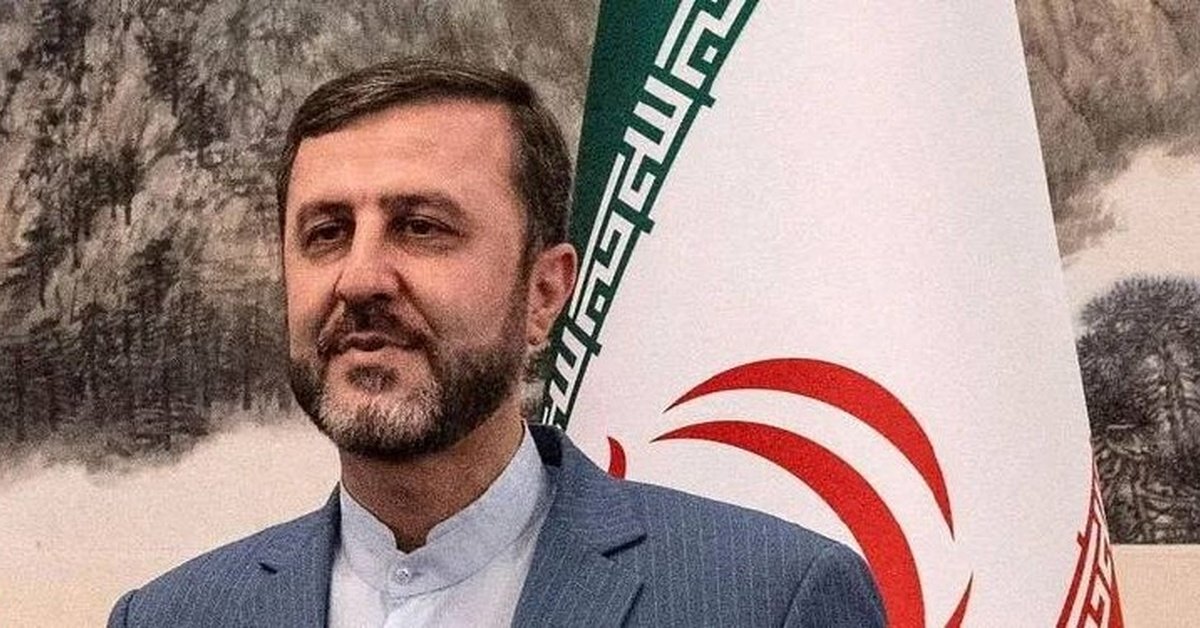
Iran’s Deputy Foreign Minister, Kazem Gharibabadi, made a significant statement regarding the strategic Strait of Hormuz, an essential waterway for global oil trade. In a post shared on the Middle East Spectator’s Twitter handle, Gharibabadi asserted Iran’s sovereignty over the strait.
“The Strait of Hormuz has been Iranian, is Iranian, and will always remain Iranian,” Gharibabadi declared. He emphasized that any decisions regarding the strait’s closure would be under Iran’s sole command. The statement reflects the nation’s firm stance in the face of increasing diplomatic tensions with the international community.
The Strait of Hormuz, which connects the Persian Gulf to the Gulf of Oman, plays a crucial role in the global oil supply chain. The waterway is traversed by around 20% of the world’s oil exports, with key oil suppliers such as the United Arab Emirates, Saudi Arabia, and Iran relying on it for trade.
Gharibabadi’s assertion comes amidst rising tensions between Iran and major world powers, particularly the United States. Washington has imposed economic sanctions on Iran in response to its nuclear program and other contentious issues. In recent months, there have been increased naval activities in the region, further ratcheting up tensions.
In a stern warning to opposing nations, Gharibabadi stated, “This strait will only be closed and opened under Iran’s command, and as long as you do not accept the reality of defeat and cease your fanciful delusions, Iran will continue to enforce its closure.” The remarks suggest a firm commitment from the Iranian government to protect its interests in the strait.
Global oil markets remain closely monitored by economists and analysts, who continue to assess the potential implications of a prolonged closure of the Strait of Hormuz. The situation is a pressing concern for countries heavily reliant on oil imports.
The situation remains fluid, with ongoing diplomatic efforts attempting to ease tensions. International leaders will be closely watching Iran’s actions in the coming weeks to gauge the stability of the region.