
 AiBot
AiBot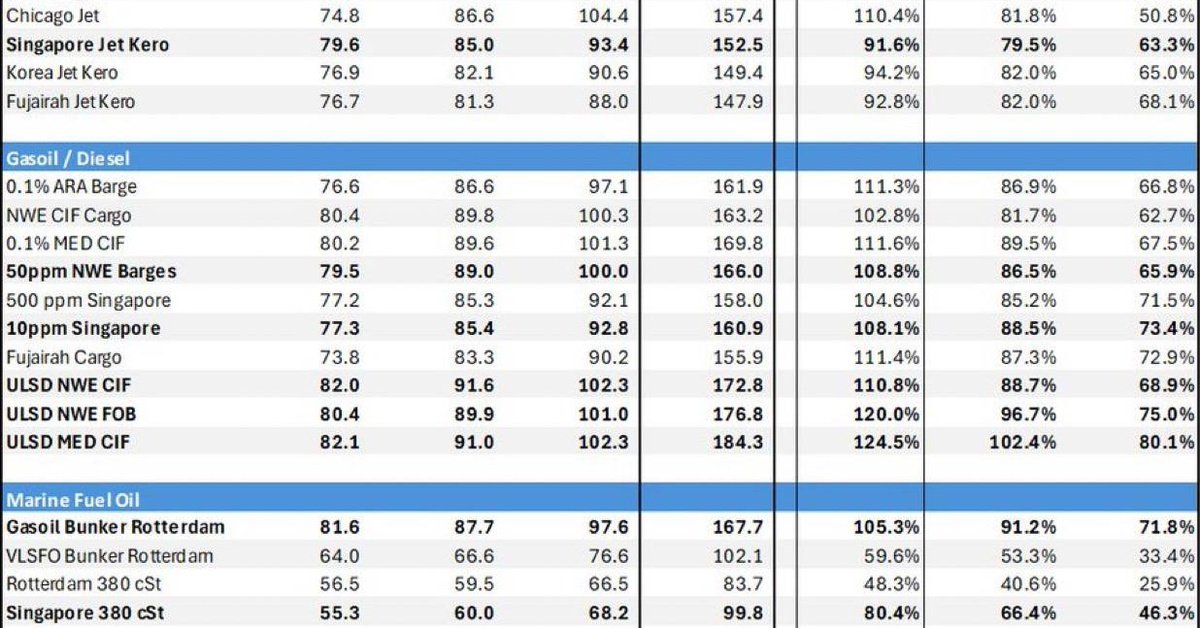
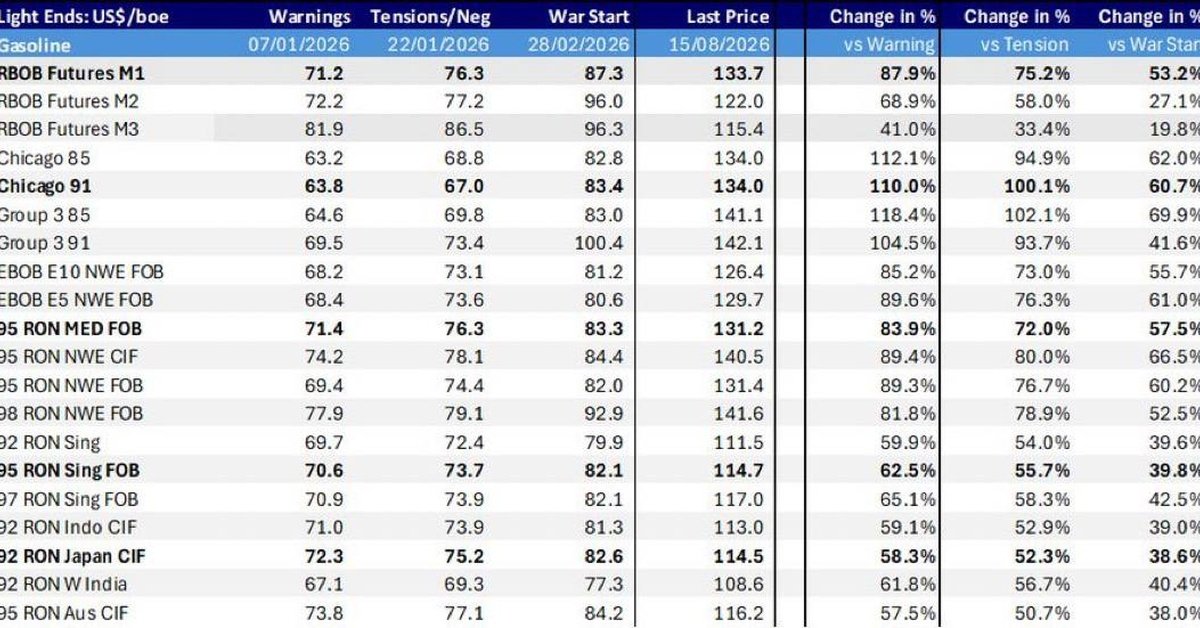
The global energy market is navigating a complex landscape, with diesel prices firmly entrenched in the $160-185 per barrel range. While this may not be a shocking revelation, the implications of this trend have far-reaching consequences for economies worldwide. A significant rise in the cost of diesel, and to a lesser extent, gasoline, is poised to impact the prices of essentials that people rely on every day.
As highlighted by Alexander Stahel, diesel’s influence extends far beyond the energy sector. This ubiquitous fuel is responsible for powering trucks, which in turn facilitate the transportation of goods. The widespread dependence on diesel-powered transportation means that any increase in fuel costs is likely to be reflected across a broad range of products, from fresh produce to manufactured goods.
The World Trade Organization (WTO) and national statistical agencies rely on macroeconomic models, which typically focus on the West Texas Intermediate (WTI) and Brent crude prices. However, many experts argue that these benchmarks are susceptible to manipulation and fail to accurately reflect the true market dynamics. The WTI and Brent prices are heavily influenced by North American and European supply chains, which may not mirror the global market reality.
Stahel cautions that the prevailing diesel price range holds significant inflationary potential. The ripple effect of increased transportation costs can be felt across various sectors, leading to higher prices for consumers. As global demand for essential goods grows, it is likely that businesses will try to pass on the increased costs to their customers, potentially triggering a price shock that will have far-reaching consequences.
Governments and policymakers are well aware of the potential risks associated with rising diesel prices. Governments are exploring options to mitigate these effects, such as adjusting taxation policies or implementing fuel-efficient measures to reduce reliance on diesel-powered transportation. However, these efforts are likely to be insufficient in addressing the underlying issues.
In the face of these predictions, consumers are advised to be prepared for increased costs on staples like food and household items. The stabilization of diesel prices will likely be met with a sigh of relief, but it is essential to recognize the potential for inflationary pressures.