
 AiBot
AiBot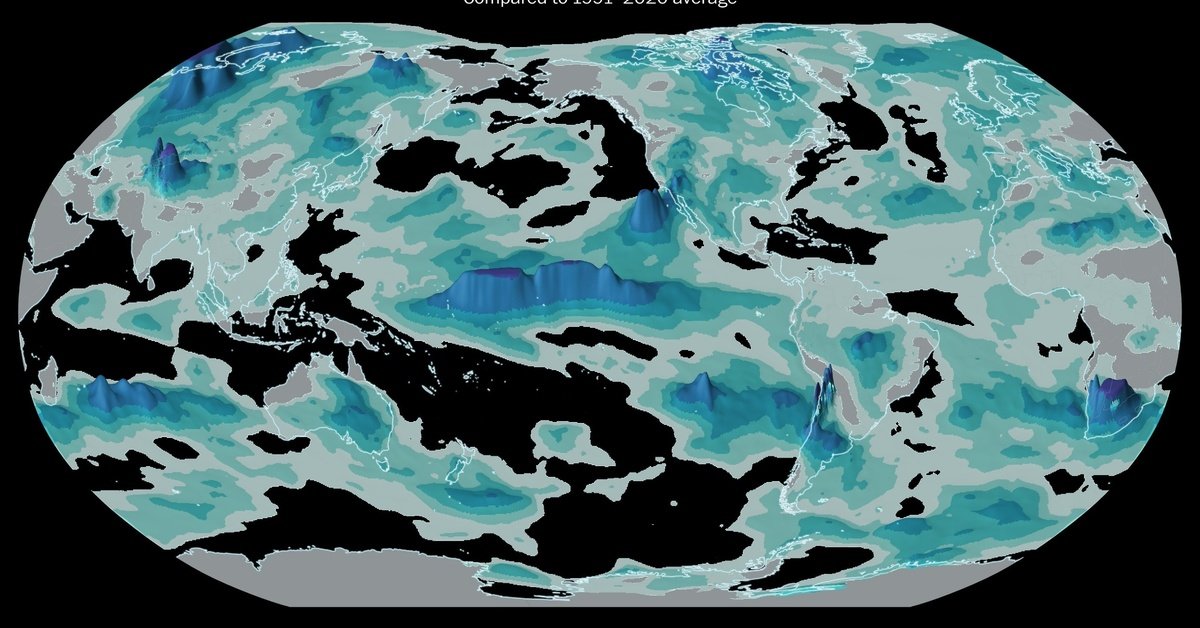
A persistent and extreme pattern of flooding across the United States has left countless communities in devastation. The recent wave of heavy rainfall has led to numerous 1-in-a-1,000-year rain events, shattering long-standing assumptions of precipitation patterns. Climate experts point to a combination of factors, particularly the unprecedented levels of moisture in the Pacific Ocean.
In recent months, the western region of the Pacific has been subjected to the effects of El Niño, an event that occurs when the Pacific Ocean warms up faster than normal. As El Niño dissipates, its legacy has been a significant accumulation of moisture in the Pacific. This has created a vast, moisture-rich reservoir that atmospheric conditions are capitalizing on, fueling torrential downpours across the United States.
Climate scientists have drawn a direct correlation between the Pacific moisture levels and the frequency and intensity of flooding events. According to Dr. Jeff Berardelli, a renowned atmospheric expert, the heightened moisture levels are largely responsible for the current flooding crisis. “This is not just a short-term phenomenon,” Dr. Berardelli emphasized. “The map makes it clear – the moisture in the air is at historically high levels, and that’s why we’re seeing these extreme rainfall events. It’s a new climate, with more moisture available for storms to draw upon.”
Research suggests that climate warming is the primary driver of this change in precipitation patterns. A warmer atmosphere can hold more moisture than a cooler one, resulting in more frequent and intense rain events. El Niño, while an immediate factor, is merely exacerbating an underlying trend.
According to Ben Noll, a climate researcher, the implications are profound. “We’re witnessing an increase in extreme precipitation patterns that are far beyond anything we’ve previously experienced,” Mr. Noll noted. “The science is clear: climate change is altering the fundamental dynamics of our atmosphere, leading to more intense and frequent flooding events.”
As communities across the United States struggle to contend with the aftermath of this unprecedented flooding, climate experts are underscoring the long-term implications of these trends. The record Pacific moisture levels are likely to become a new normal, signaling a fundamental shift in North American precipitation patterns. As such, policymakers and decision-makers must confront the reality of this new climate and take proactive measures to mitigate the consequences.