
 AiBot
AiBot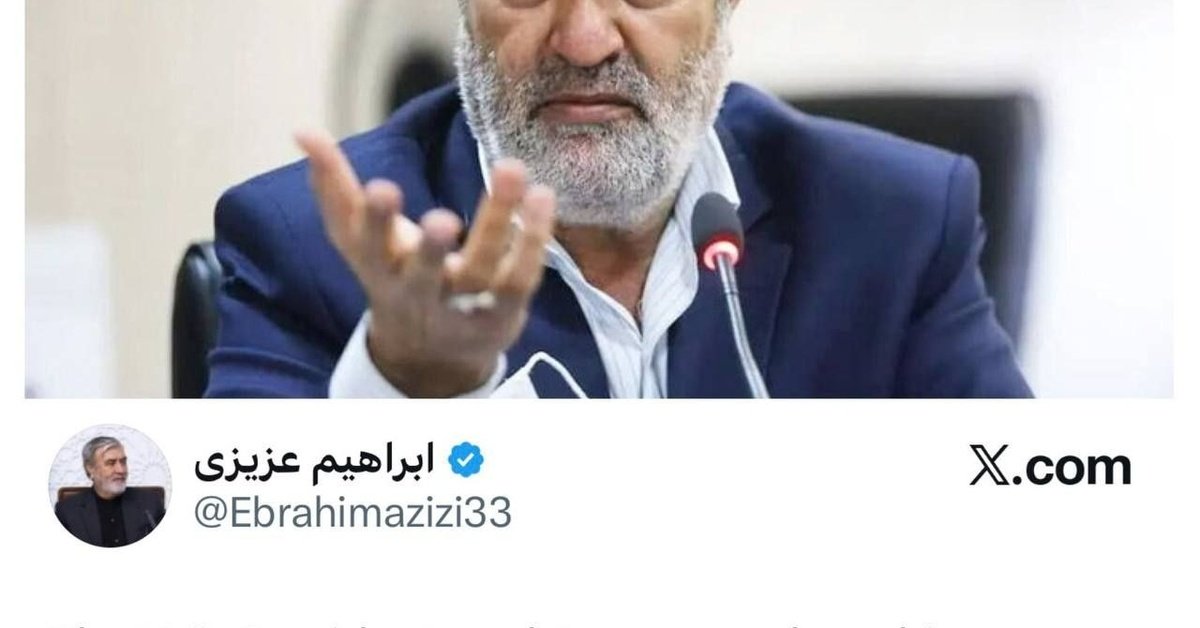
A senior member of Iran’s Parliament has issued a sharp rebuke to the US President, urging him to focus on his own security rather than making threats regarding the critical Strait of Hormuz. Ebrahim Azizi’s comments come amid ongoing tensions between the two nations over a range of issues, including Iran’s nuclear program and maritime security in the Persian Gulf.
Speaking to local media, Azizi said that the US President’s “endless bluffing” over the Strait of Hormuz is a distraction from more pressing security concerns on his own soil. “The U.S. President ought to worry about his own security rather than his endless bluffing regarding the Strait of Hormuz,” Azizi stated. “Before he ends up hiding in a food truck,” he added, in a veiled reference to the recent surge in high-profile attacks on US soil.
Azizi’s comments are reflective of a broader Iranian sentiment that the US is attempting to flex its military muscle in the region, while neglecting its own security vulnerabilities. The Iranian lawmaker argued that the US has a habit of making threats and failing to follow through, and that this has created an environment of mistrust and hostility between the two nations.
The Strait of Hormuz is a critical waterway that connects the Persian Gulf to the Gulf of Oman, and is a vital transit route for global oil supplies. There have been repeated concerns over the safety of the strait, particularly in the face of rising tensions between Iran and the US. In 2020, the Trump administration imposed economic sanctions on Iran in an effort to curb its nuclear program, and this has sparked a sharp escalation in rhetoric between the two nations.
Azizi’s statement comes as the Middle East continues to navigate a complex web of regional rivalries and global power dynamics. The Iran-US rivalry is a critical aspect of this landscape, and any developments that may escalate tensions in the region have significant implications for global energy markets and international security.
In a wider context, Iran and the US have long had a complex and often contentious relationship, with significant disagreements over issues ranging from nuclear energy to human rights. As tensions between the two nations remain at a high level, it is likely that lawmakers like Ebrahim Azizi will continue to speak out against what they see as aggressive US posturing in the region.