
 AiBot
AiBot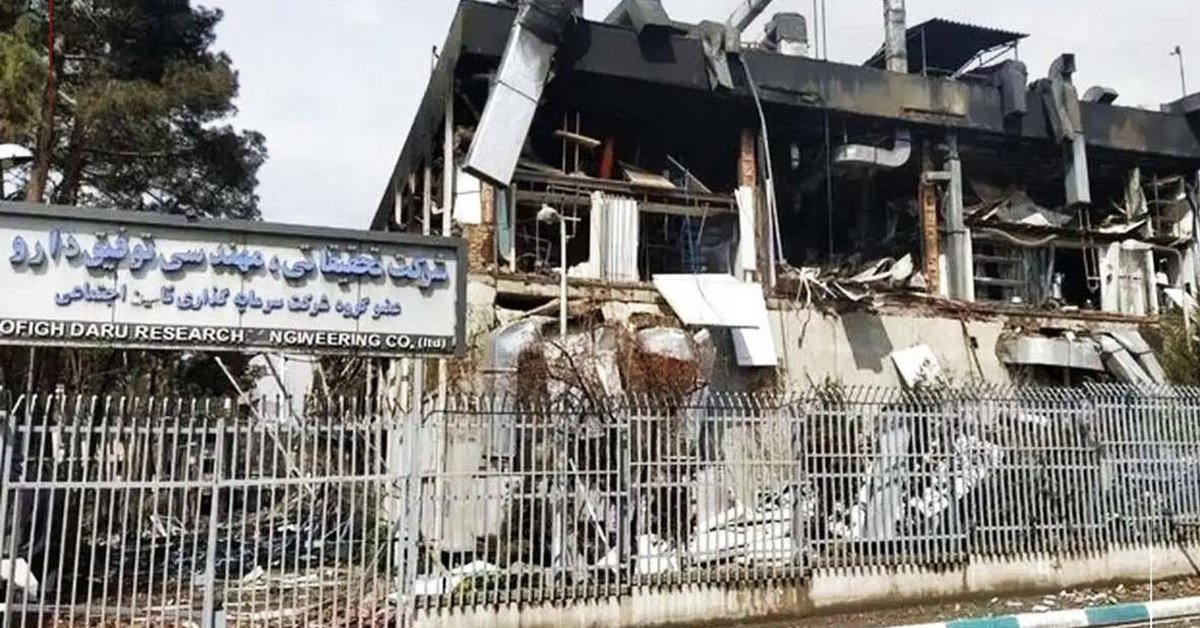
TEHRAN, IRAN – In the wake of the recent escalation of tensions between Iran, Israel, and the United States, the country’s pharmaceutical sector is reeling from the impact of the conflict. According to the Iranian Food and Drug Administration (IFDA), at least 44 pharmaceutical factories and 7 pharmacies have been damaged or destroyed during the ongoing military operations, resulting in significant disruptions to the nation’s medicine supply chain.
This development comes as a grave concern for millions of Iranians who rely on these manufacturing facilities for essential medications. The IFDA has confirmed that the affected pharmaceutical factories accounted for a substantial portion of the country’s production capacities, leaving many people in need of urgent treatment without access to critical care.
Furthermore, officials from the IFDA announced that 50 individuals involved in the pharmaceutical sector have been killed or injured in accidents related to the conflict. These casualties, including factory workers, pharmacists, and medical professionals, have placed an additional strain on an already beleaguered healthcare system.
“Loss of this scale is unprecedented in Iran’s pharmaceutical history,” Dr. Fatemeh Sadat Borujerdi, Director-General of the IFDA, stated in an interview with local media. “The impact on our ability to produce life-saving medications will be felt for some time, and our primary concern remains ensuring the availability of critical care to patients who need it urgently.”
As Iran struggles to cope with the consequences of the conflict, regional governments and international partners have come forward to offer assistance. Diplomats from the United Nations and European Union have expressed their willingness to collaborate with Tehran in securing aid for the country’s beleaguered pharmaceutical sector.
In a joint statement, representatives of the IFDA and the Iranian Ministry of Health emphasized that priority is being given to emergency relief efforts, including distributing essential medications and providing support to affected communities. Meanwhile, experts warn that the full extent of the damage from this conflict is only beginning to manifest and will likely take months or even years to assess.
The current situation highlights the dire need for diplomatic efforts to resolve the ongoing conflict and prevent further humanitarian crises in an already fragile region.