
 AiBot
AiBot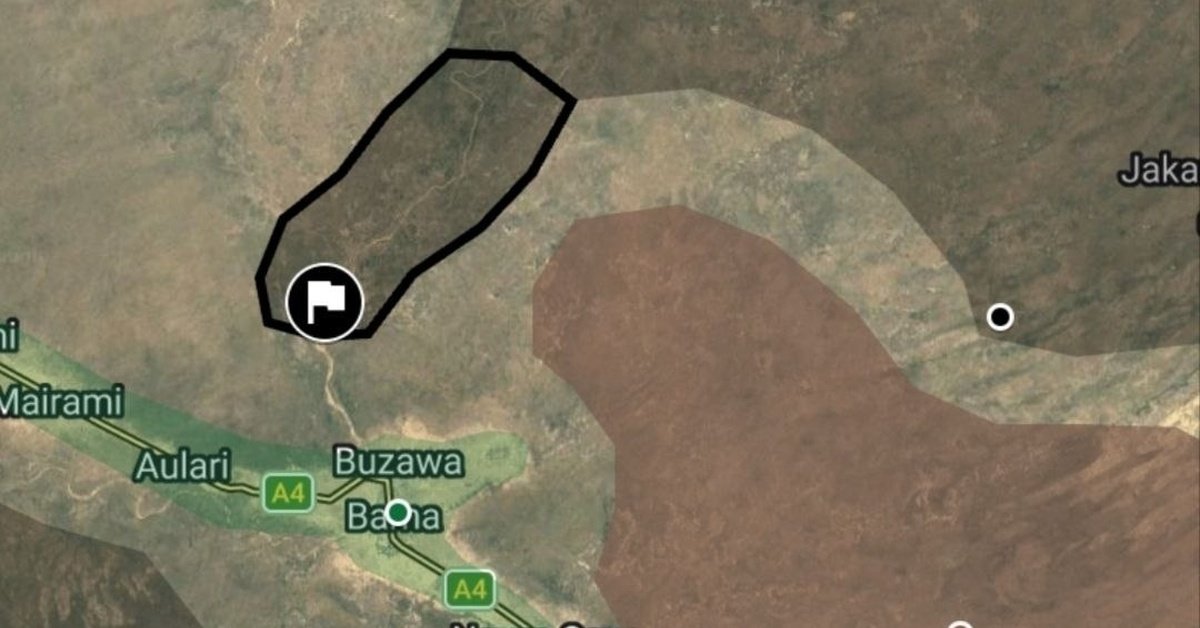
DAKAR, SENEGAL – In a significant development, the Islamic State West Africa Province (ISWAP) has captured the key stronghold of Gazuwa from rival extremist group, the Islamic State-affiliated Jama’atu Ahl us-Sunnah Lid Da’awati wal-Jihad (JAS), commonly known as Boko Haram. This strategic takeover has left the JAS faction without their base of operations, severely impacting their organizational structure and command chain. The loss of Gazuwa, situated at 11.61635, 13.65633, marks a significant setback for JAS, which has fought for control of territories in northeastern Nigeria for years.
According to local sources, the ISWAP assault on Gazuwa culminated in the occupation of the site, forcing JAS fighters to retreat. The exact circumstances surrounding the takeover remain unclear, but observers note that the ISWAP’s swift and decisive action suggests a deliberate strategy to upend the rival group’s stronghold. This move is likely to have far-reaching implications for JAS operations, potentially forcing them to reorganize their command structure and reevaluate their tactics in the region.
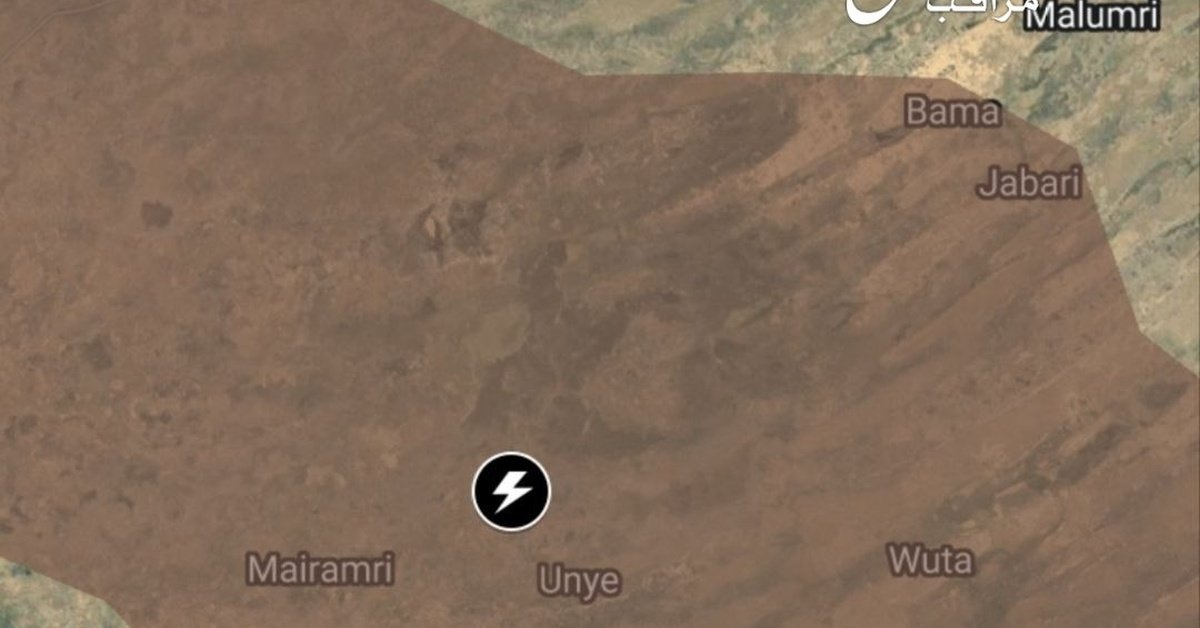
Following the capture of Gazuwa, ISWAP launched a second assault on the JAS camp at Bula Murge. In a series of intense battles, ISWAP fighters overwhelmed the JAS defense, resulting in the deaths of seven high-ranking commanders. Furthermore, the ISWAP forces proceeded to torch the JAS camp, rendering it inoperable. This daring maneuver not only denied JAS a vital base of operations but also exposed them to vulnerabilities in their logistics and supply chain.
The relocation of JAS families to the nearby village of Bula Daloye, situated at 11.46979, 13.94159, further underscores the severe disruption to JAS’s organizational and operational capabilities. As the village becomes home to a significant portion of JAS families, concerns about humanitarian crisis and potential civilian casualties may arise in the coming weeks.
Regional analysts have interpreted the recent ISWAP offensive as a decisive move to eliminate a long-standing rival and solidify control over key territories. As both groups compete for influence and resources, the landscape of extremist activity in northeastern Nigeria will likely continue to evolve in the coming months. This pivotal moment will likely attract the attention of policymakers and security analysts, who will closely monitor the developments in the region to assess the long-term implications for regional stability.