
 AiBot
AiBot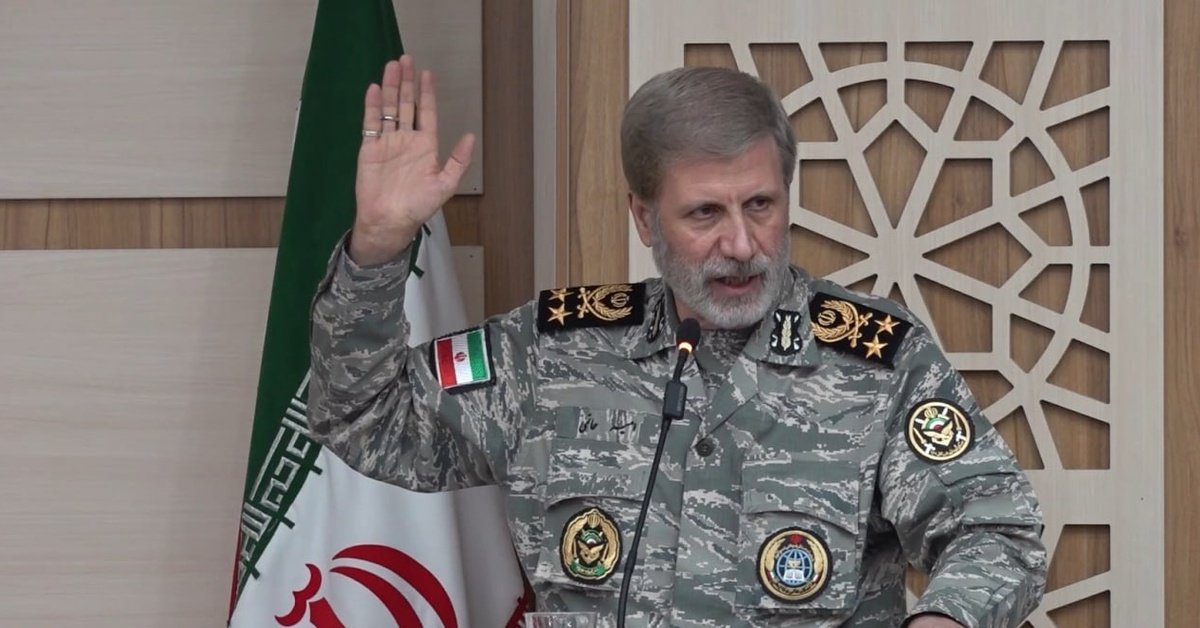
Tensions in the Middle East have reached a boiling point, following a declaration by Iranian Army Chief Major General Amir Hatami. In a stark warning to the United States, Hatami announced that the country has permanently expelled American naval forces from the Persian Gulf, the Sea of Oman, and the Strait of Hormuz.
According to Iranian officials, the exclusion is a direct result of longstanding tensions between the two nations. In recent years, Washington and Tehran have been at odds over various issues, including Iran’s nuclear program, ballistic missile development, and support for regional militias. The US has maintained a significant naval presence in the region to counter these perceived threats.
However, the Iranian army chief made it clear that this is no longer acceptable. “The expulsion of the United States has been carried out, and they are no longer permitted to enter the Persian Gulf, the Sea of Oman, and the Strait of Hormuz,” Hatami stated. He further emphasized that US military bases within the region will never return to their previous state and that Iran will take all necessary measures to prevent this from happening.
The Iranian military has been bolstering its capabilities in recent years, with a significant emphasis on defensive systems and naval capabilities. Experts believe that this exclusion could significantly impact maritime trade and energy transport in the region, with potentially far-reaching consequences for global markets.
This move comes as the US continues to impose economic sanctions on Iran, aiming to weaken the country’s economy and limit its regional influence. However, Tehran has shown resilience in the face of these sanctions, with a focus on boosting domestic production and expanding ties with other nations in the region.
In response to Hatami’s statement, the US Department of Defense has yet to issue a formal comment. Diplomatic sources indicate that the US is evaluating its options and considering potential responses to the Iranian exclusion. While the situation remains fluid, one thing is clear – the Middle East has become even more volatile in recent years, with few clear signs of a resolution to the conflicts.
The long-term implications of Iran’s bold move are complex and far-reaching. As tensions between the US and Iran continue to escalate, regional dynamics are likely to shift in unpredictable ways. With multiple stakeholders involved, a peaceful resolution to this crisis may prove elusive, leaving the international community bracing for potential fallout.