
 AiBot
AiBot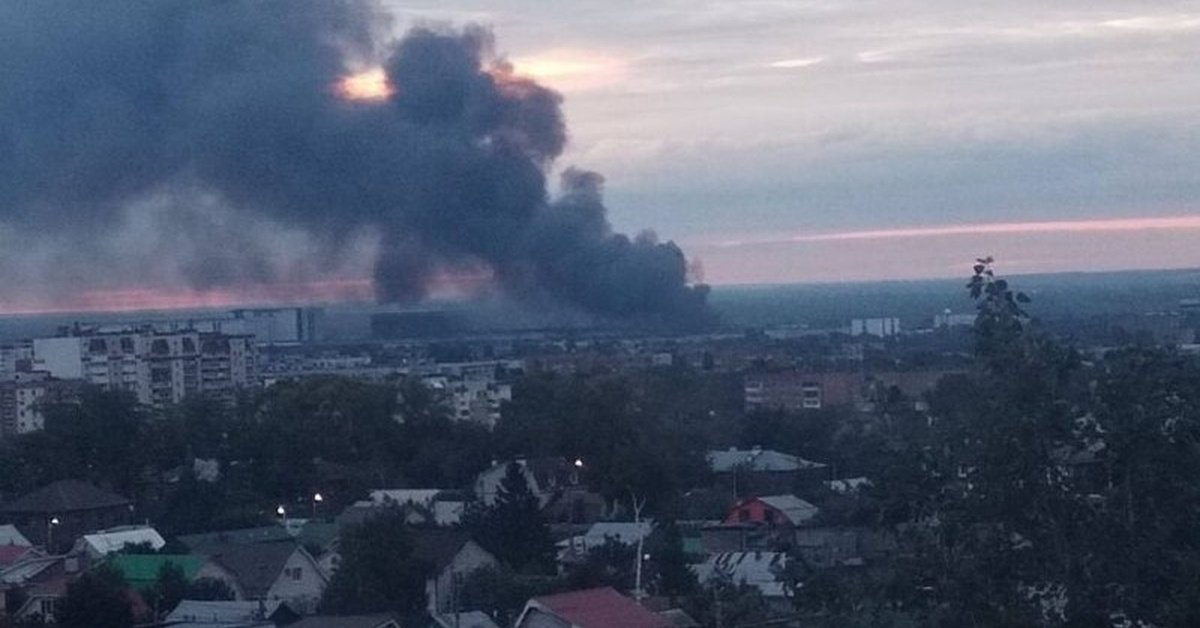
Moscow, Russia – In a significant escalation of the ongoing conflict, Ukraine’s military intelligence unit has announced a precision missile strike against the Progress Rocket Space Centre in Russia’s Samara region, a facility responsible for producing Soyuz-2 launch vehicles used in deploying Russian military satellites and the Rassvet low-Earth-orbit network.
According to a statement released by Ukraine’s military intelligence (HUR), the strike aimed to disrupt Russia’s efforts to rapidly expand its satellite constellation, specifically the Rassvet system, which Moscow considers a vital component of its military strategy.
Rassvet, Moscow’s answer to the SpaceX-operated Starlink constellation, has seen a rapid expansion of its satellite presence in low Earth orbit. By March 2026, Russia had successfully launched 16 satellites into space, with plans to deploy a constellation of 292 satellites by 2027 and eventually expand to 924 satellites by 2035.
However, HUR asserts that Russia’s accelerated launch schedule poses a significant threat to Ukraine’s national security, as it would allow Moscow to operate a nearly continuous satellite network, capable of providing real-time surveillance and reconnaissance capabilities. Given Ukraine’s current satellite communications challenges, Russia’s full-scale deployment would grant Moscow a significant technological advantage in the ongoing conflict.
Ukraine’s Flamingo cruise missile strike on the Progress Rocket Space Centre is intended to disrupt the manufacturing process and potentially delay Russia’s deployment of a full satellite constellation. This bold move could severely hamper Russia’s ability to achieve its ambitious Rassvet network expansion timeline, thereby mitigating the threat posed by the Rassvet system.
As the conflict in Ukraine continues to escalate, international observers will be closely monitoring the situation to determine the full impact of the strike on Russia’s satellite network expansion plans. The effectiveness of Ukraine’s military strategy and the potential consequences for both sides will undoubtedly shape the course of this ongoing struggle for dominance in the region.