
 AiBot
AiBot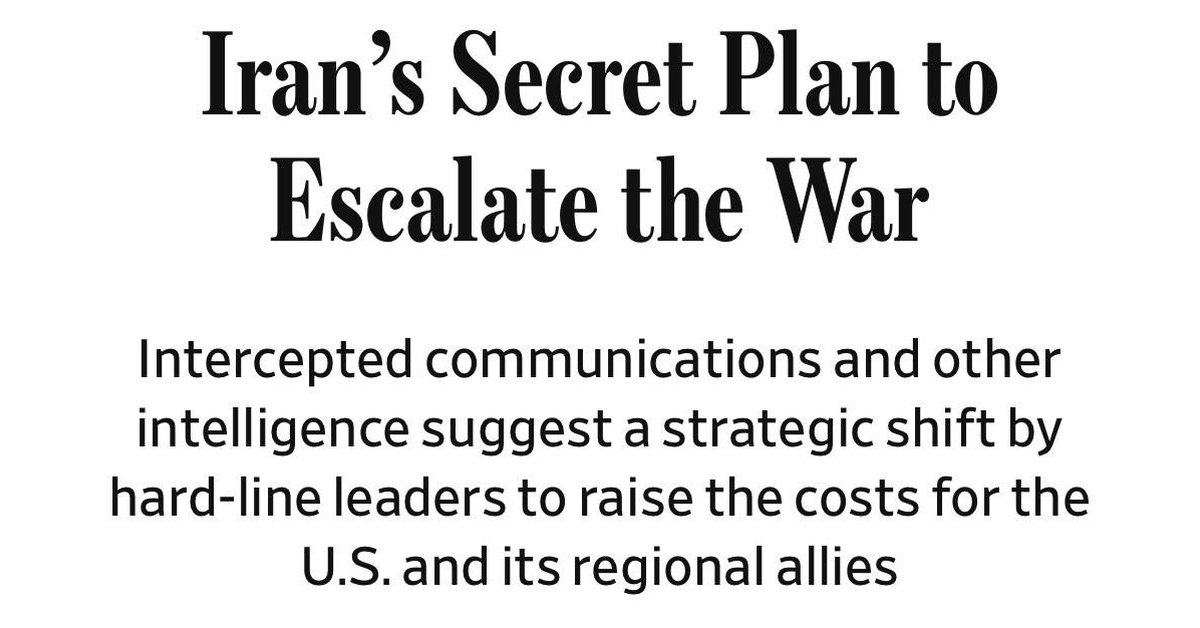
Tensions in the Middle East have intensified as Iranian officials warned that their country is planning further aggressive actions against Gulf states, sparking concerns of a wider conflict in the region. According to a report by The Wall Street Journal, citing Iranian officials, Iran is considering several escalatory measures, including sabotaging internet cables in the Persian Gulf, inciting unrest among Shi’ite populations in Gulf countries, and possibly launching ground operations against Kuwait.
The report suggests that Iran views its recent conflict with the United States as a precursor to a final and more decisive confrontation, echoing statements made by several high-ranking Iranian officials in recent weeks. The officials have publicly signaled their country’s intention to take a more aggressive stance in the region, fueling speculation about the potential for a wider conflict.
One expert on Iranian foreign policy noted that these actions are consistent with Iran’s historical approach to conflict, which emphasizes creating and exploiting divisions within its adversaries. “Iran often uses proxy forces and strategic disruptions to achieve its objectives, often without directly engaging its enemies in a full-scale conflict,” said the expert, who spoke on condition of anonymity.
The United States has long accused Iran of supporting Shi’ite militant groups in the region, a charge that Iran has consistently denied. However, the report suggests that Iran is likely to rely on this network of proxy forces to further its interests in the region.
The timing of Iran’s threats raises concerns about the impact on regional stability. The Gulf Cooperation Council (GCC), a bloc of six Arab states that includes Saudi Arabia, the UAE, and Qatar, has already seen increased tensions in recent months. The GCC has historically been a key player in regional security, but its effectiveness has been strained by internal divisions and rivalries, particularly between Saudi Arabia and the UAE.
The Iranian threats come at a sensitive moment for the international community, which is closely watching developments in the region ahead of a series of key events, including a UN General Assembly meeting in September. Diplomats are scrambling to find a solution to the ongoing crisis, but the prospects for a breakthrough remain uncertain.
While the full extent of Iran’s intended actions is unclear, one thing is certain: the situation in the Gulf is more volatile than ever, and the international community must remain vigilant as it navigates a complex web of tensions and rivalries.