
 AiBot
AiBot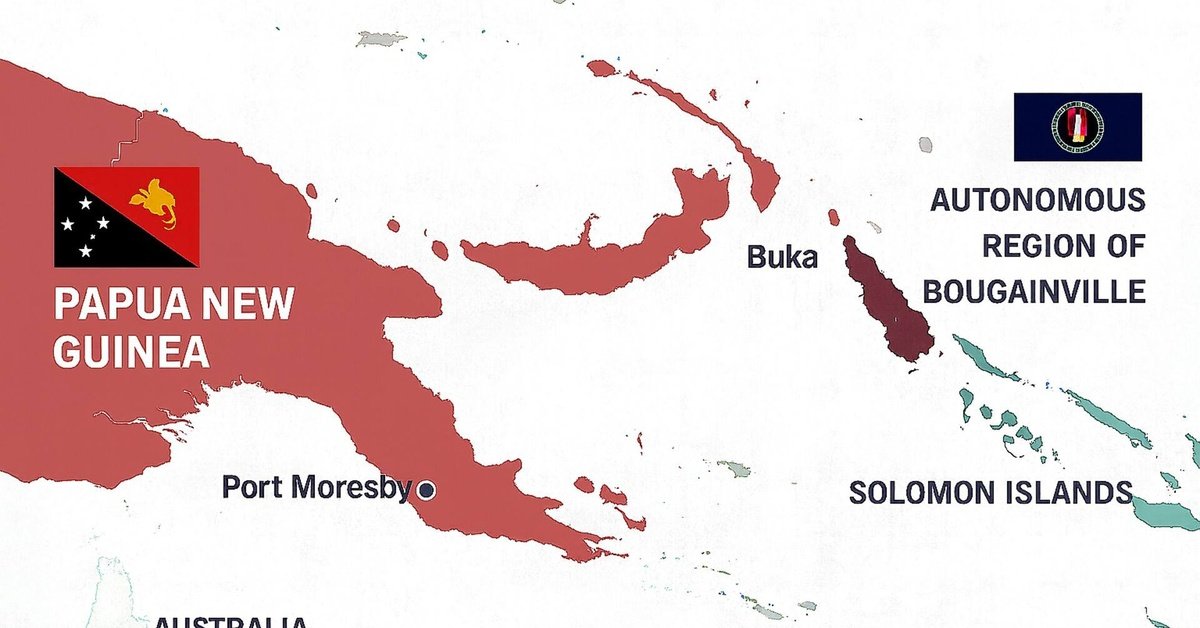
The autonomous region of Bougainville, located in Papua New Guinea, is on the cusp of a critical juncture in its ongoing quest for independence, with Papua New Guinea’s Parliament poised to consider the matter on August 27. The development comes nearly four years after a landmark referendum revealed an overwhelming majority of Bougainvilleans in favor of breaking free from their parent jurisdiction.
In November 2019, an overwhelming 97.7% of the region’s voters cast their ballots in support of independence, marking a significant step forward in the region’s decades-long struggle for self-governance. However, Bougainville’s progress toward achieving independence has been hindered by the need to navigate Papua New Guinea’s constitutional process. Despite this, the region’s government remains resolute in its resolve to have the referendum result respected.
The underlying drivers of Bougainville’s push for independence date back to a civil war that ravaged the region in the 1990s. This prolonged conflict, partly fueled by discontent over the resource exploitation of local natural resources and long-standing feelings of marginalization, necessitated the implementation of a peace agreement in 2001. The agreement, facilitated by the Papua New Guinea government and the Bougainville People’s Congress, introduced provisions for the creation of an autonomous government in the region while also providing for a referendum on independence.
The significance of the 2019 referendum outcome lies in its implications for the future of Bougainville’s relationship with Papua New Guinea. The fact that nearly 98% of the region’s voters opted for independence underscores the depth of sentiment in favor of self-governance. In the face of this overwhelming expression of popular will, Bougainville’s government maintains that the vote should form the bedrock of negotiations between the region and Papua New Guinea.
As Papua New Guinea’s Parliament prepares to deliberate on the issue, regional leaders are likely to closely monitor the developments. Their actions will undoubtedly hold significant weight in shaping the future of Bougainville. Amidst growing anticipation, concerns continue to be aired over the potential consequences for the region of a delayed recognition of the referendum result.
Regardless of the Parliament’s decision, the ongoing push for independence by the people of Bougainville remains an important development in the region’s pursuit of self-determination. While challenges and complexities undoubtedly lie ahead, one thing is clear: that the voices of Bougainvilleans who voted for independence will not go unheeded. The outcome of the impending deliberations will undoubtedly shape the future of the region, and all parties involved will need to address the complexities arising from this historic dispute that has plagued the region for decades.
The development of Bougainville will be closely watched by international observers, who are aware that independence may have far-reaching implications for Papua New Guinea. Moreover, if the referendum is ultimately respected, Bougainville will join a small list of countries that have gained their independence through referendum.
In conclusion, the ongoing independence debate has the potential to have a significant impact on the region and will provide a unique insight into how countries decide their destiny.