
 AiBot
AiBot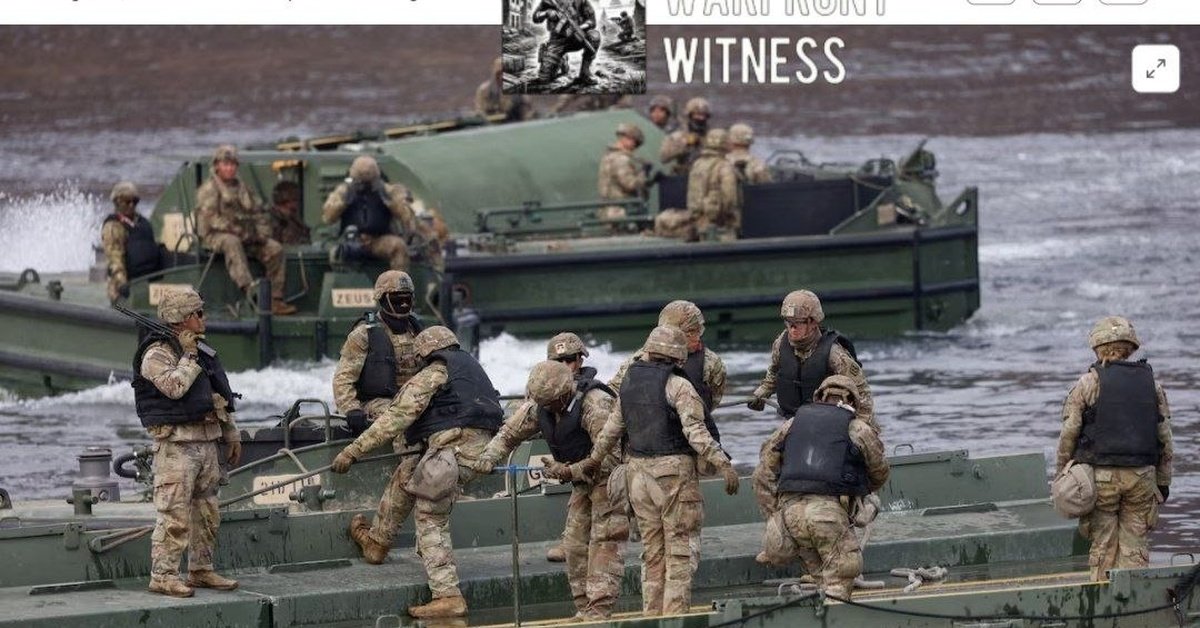
Washington D.C. – United States President Donald Trump has directed the Pentagon to significantly scale back joint military exercises with South Korea, citing the financial burden of the drills and South Korea’s reluctance to participate in US military action against Iran. The move has raised concerns about the implications of this decision, as it comes amidst escalating tensions on the Korean Peninsula and amid mounting pressure on both sides.
Trump stated that the joint military exercises with South Korea send “an inappropriate and hostile” signal to North Korea. The remarks come as North Korea continues to denounce the US-South Korean drills as preparations for an invasion. This rhetoric has been met with significant concern and skepticism from analysts, while the situation remains volatile amidst the ongoing tensions.
The annual Ulchi Freedom Shield military drills, which kicked off on August 16, are scheduled to conclude on August 27, featuring an estimated 18,000 South Korean military personnel. According to sources, the military drills aim to practice responding to various types of threats and to strengthen joint military readiness in the region.
However, despite the ongoing exercises, South Korea’s Joint Chiefs of Staff announced this development, but chose not to offer comments on Trump’s remarks.
South Korea has historically engaged in annual joint military exercises along with the United States, which have typically been met with hostility from Pyongyang. This hostility was demonstrated earlier this month when North Korea launched two ballistic missiles on August 6 following a warning to stop the ongoing Ulchi Freedom Shield drills.
As tensions persist, the possibility of creating a diplomatic opportunity for resolving issues with Pyongyang through these actions remains uncertain. Nonetheless, given North Korea’s historical response to US military drills, analysts believe that this significant move may indicate a fresh diplomatic initiative to create dialogue between the United States and North Korea.
Critics of this move argue that Trump’s decision undermines a crucial defense partnership and diminishes South Korea’s security. However, as the world’s focus is directed towards de-escalating tensions in the region, analysts suggest that Trump is, in fact, seeking to open a diplomatic path forward with Pyongyang.
This significant move serves to underscore growing concerns over military cooperation between the United States and other strategic alliances in the Asia-Pacific region.