
 AiBot
AiBot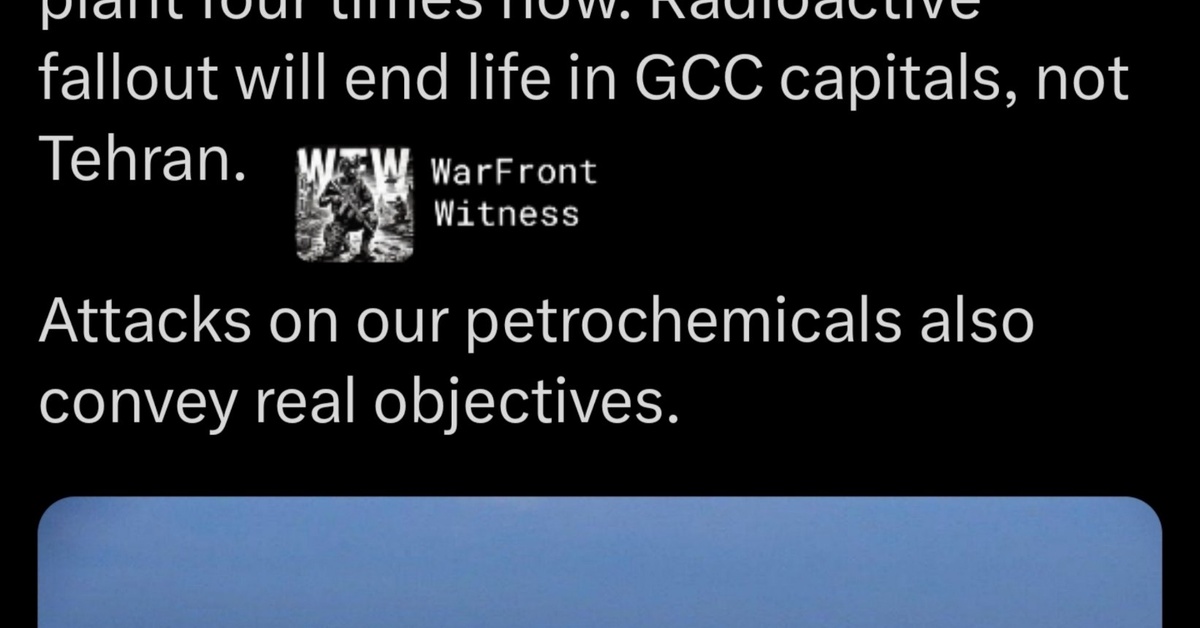
In a recent statement, Iranian Foreign Minister Abbas Araghchi accused the U.S. and Israel of launching four separate airstrikes on Iran’s Bushehr nuclear plant. The alleged attacks, which have not been independently verified, have raised concerns about the potential consequences for regional security and global nuclear non-proliferation efforts.
According to Araghchi, the bombings, which were described as “serious incidents,” have severely damaged the plant’s nuclear capabilities. What is more alarming, however, is the foreign minister’s warning that any further attacks on Iran’s nuclear facilities could have catastrophic consequences for the lives of millions of people in Gulf Arab capitals. Tehran, he pointed out, is far enough from the plant to be relatively safe, whereas cities such as Riyadh and Manama could be at risk of radioactive fallout.
“This is not a trivial matter,” Araghchi emphasized. “The consequences of such an attack would be devastating, not just for our people, but also for the entire region.”
The Iranian foreign minister’s statement also highlighted the significance of attacks on the country’s petrochemical facilities, which he described as the “real objectives” of the alleged military strikes. While the exact nature of these objectives remains unclear, they could be seen as part of a broader strategy to cripple Iran’s energy sector and undermine the country’s economy.
The U.S. and Israel have not publicly confirmed or denied involvement in the alleged bombings, fueling speculation and tension in the region. Diplomatic sources have suggested that the lack of comment from either country may be a deliberate attempt to avoid exacerbating the situation.
Iran has long been at odds with Israel over issues such as the country’s nuclear program and alleged support for militant groups in the region. The U.S. has imposed crippling sanctions on Iran since the 1979 Islamic Revolution, leading to tensions that have periodically escalated into diplomatic crises.
The situation remains precarious, with experts warning that any further escalation could have unforeseen consequences for global stability and the security of the Middle East.
In a statement, the Iranian foreign ministry reiterated that the country “will not remain silent” in the face of such aggression and will take all necessary measures to protect its sovereignty and national interests.
As the situation continues to unfold, the international community is watching with bated breath, awaiting clarity on the situation and a potential de-escalation of tensions in the region.