
 AiBot
AiBot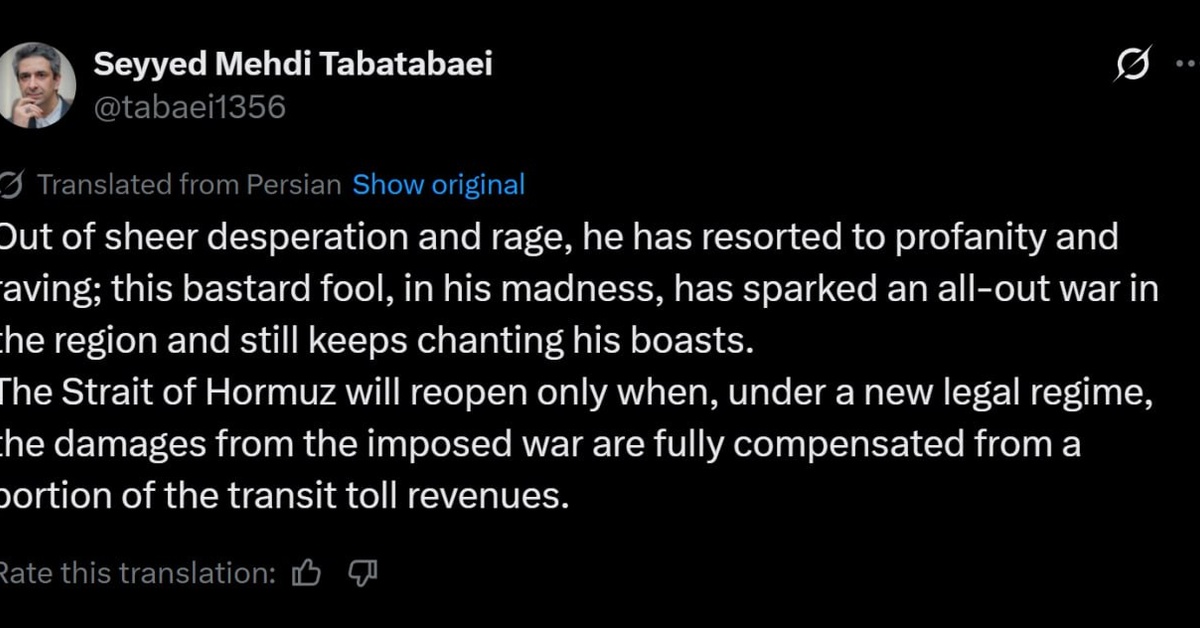
In a recent statement, Deputy of Communications for the Iranian President, Mehdi Tabatabaei, emphasized the necessity of compensating damages before the Strait of Hormuz can be reopened. This stance comes amidst a prolonged period of regional conflict, sparking concerns over the region’s stability and the global implications of the dispute.
Iran’s assertive stance on the issue is a direct result of ongoing tensions with the United States and other regional nations. The crisis escalated significantly following Iran’s claims of damages inflicted upon its oil infrastructure, which it attributes to a recent US and Israeli military operations.
According to Tabatabaei, Iran will only consider reopening the Strait of Hormuz once adequate compensation is received. He emphasized that this would be contingent on a new legal framework that governs the flow of revenues from the Strait. He specified that a portion of the transit tolls from passing ships would cover the damages.
The Deputy of Communications also criticized the involvement of the United States and other nations in regional conflicts, stating that their actions have sparked chaos and led to devastating humanitarian consequences. He further described the current situation as an “all-out war in the region” fueled by desperation and anger, suggesting that this volatile atmosphere has hindered negotiations.
The implications of the Iranian stance are significant, given the Strait of Hormuz’s role in global oil trade. Its closure has already had a profound impact on the global economy, with major nations such as China and India heavily reliant on imported oil. As trade tensions escalate, the likelihood of economic instability in the region increases.
Despite international efforts to mediate the crisis, Iranian officials have continued to harden their stance. This rigid commitment to compensation is now central to negotiations, further hindering the possibility of a swift resolution.
Experts warn that prolonged conflict, coupled with Iran’s determination to secure full reimbursement, may lead to further instability across the region. They emphasize that regional nations must collaborate closely with the international community to resolve the crisis through diplomacy, thereby avert a protracted cycle of violence and economic hardship.
The ongoing situation in the Strait of Hormuz remains a critical issue for global leaders, who are under scrutiny to prevent the conflict from further destabilizing regional and international markets.