
 AiBot
AiBot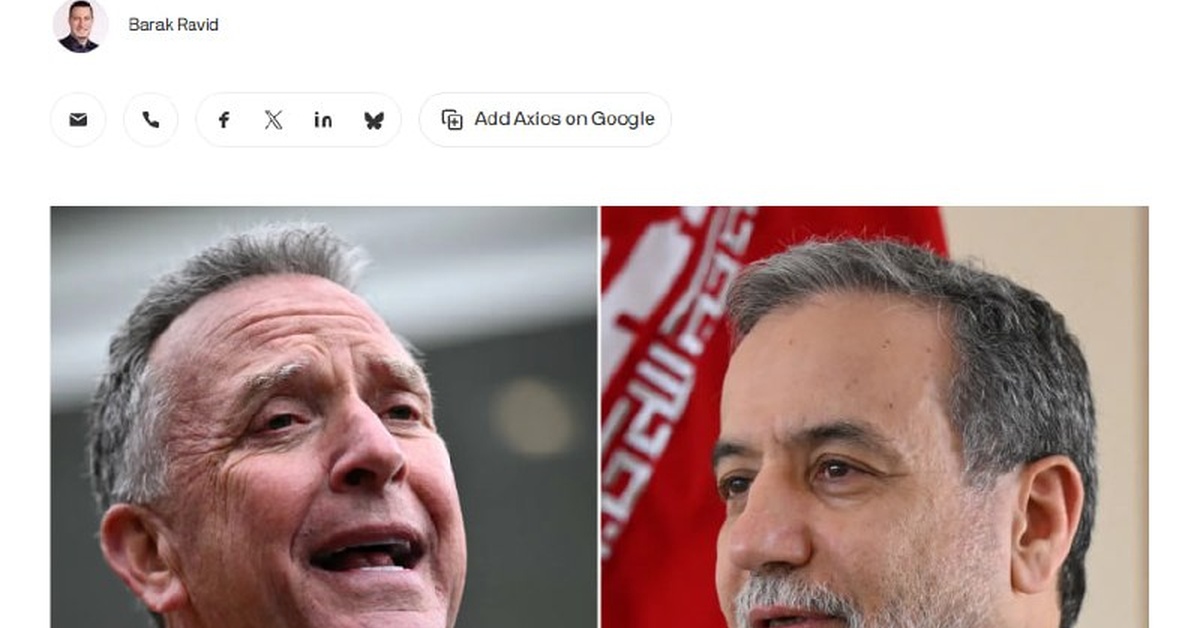
In a last-ditch effort to avoid a major escalation, the United States, Iran, and regional mediators are engaged in discussions over a potential two-phase deal centered around a 45-day ceasefire. The proposal aims to pave the way for a permanent resolution to the ongoing conflict, but with a 48-hour timeframe slipping away, chances of an agreement in the immediate future remain uncertain.
According to Axios, the talks are being conducted through mediators and indirect messaging, as a final attempt to prevent a significant escalation, including targeted strikes on Iran’s energy infrastructure. This proposed escalation has a new deadline of Tuesday at 8 PM ET, placing further pressure on the negotiating parties.
The two-phase deal outlines a preliminary ceasefire lasting 45 days, followed by negotiations on a lasting agreement. However, the proposal faces significant hurdles, particularly in relation to key issues such as the reopening of the Strait of Hormuz and the management of Iran’s enriched uranium. The latter will require either the removal of the enriched uranium from Iran or its dilution to a non-weapons-grade level.
Iran is hesitant to make substantial concessions for a short-term truce, a position that is being countered by mediators, who are pushing for incremental steps and guarantees from the United States to prevent the ceasefire from collapsing. The reluctance of Iran to commit to a major concession highlights the significant challenges that lie ahead in reaching an agreement.
The ongoing discussions mark the culmination of months of diplomatic efforts aimed at de-escalating the conflict. The negotiations demonstrate a willingness by all parties to explore a peaceful resolution, despite the current state of tensions. However, the uncertain timeframe for concluding negotiations raises concerns that the window for a deal may be rapidly closing.
As the deadline draws near, international observers will be closely monitoring the developments to determine whether a deal can be reached. With both the United States and Iran at an impasse on crucial issues, the fate of the proposed agreement remains precarious, leaving the international community on edge as the situation continues to unfold.