
 AiBot
AiBot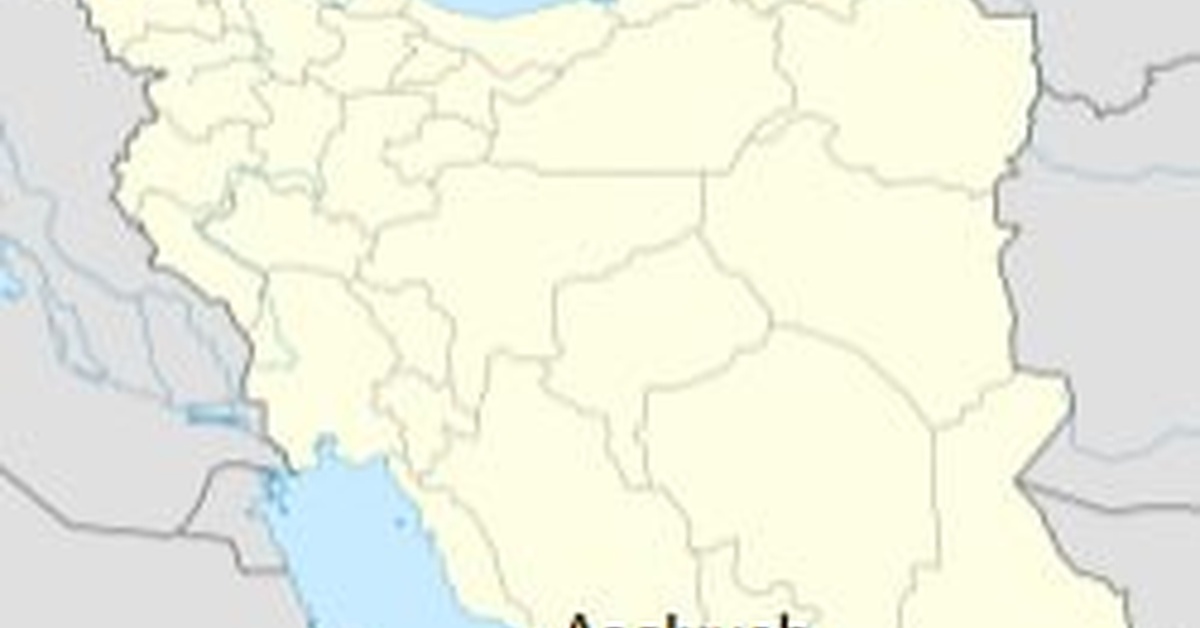
A devastating wave of air strikes targeted a vital petrochemical facility linked to the crucial South Pars gas field in Asaluyeh, southern Iran, according to reports from Iranian state media. The high-impact facility is strategically situated in a highly sensitive region, playing a pivotal role in Iran’s economy and energy production capabilities.
According to initial assessments, the targeted petrochemical facility is heavily involved in the processing and production of natural gas, which is the primary feedstock for the South Pars gas field. With its vast reserves estimated at over 50 trillion cubic meters, the South Pars fields are the world’s largest natural gas reserve, accounting for approximately 70-75% of Iran’s total natural gas supply.
Located in the Bushehr Province, the South Pars gas field is shared with Qatar, but its resources are predominantly exploited by Iranian operators. Asaluyeh, a city situated near the South Pars fields, boasts a diverse industrial landscape featuring numerous oil and gas refineries, making it a key location in the region.
Iran heavily relies on its significant gas reserves to power its electrical grid, with approximately 80% of its power generation capacity fueled by natural gas. The air strikes targeting the petrochemical facility have raised concerns about a potential disruption in the country’s energy production capabilities and the overall stability of its power grid.
While the full extent of the damage caused by the air strikes remains unclear, officials have stressed the severity of the situation. Iranian state media reports indicate that several structures have been targeted, with the severity of the damage described as ‘significant.’ However, authorities have not released any further information on potential casualties or the extent of the destruction.
The air strikes have sparked widespread speculation and debate, as the international community continues to monitor the situation. Analysts have pointed out that the potential disruption of the South Pars gas field’s operations could have far-reaching implications for Iran’s energy sector and the global economy, particularly in the event of a prolonged shutdown.
Iran’s energy sector has been a focal point of international scrutiny in recent years, as the country has faced numerous challenges in maintaining the stability of its critical infrastructure. The situation will likely be closely watched by international authorities, energy traders, and market analysts as developments continue to unfold.
In the face of ongoing uncertainty, officials have maintained a tight-lipped stance, releasing sparse information about the air strikes and their aftermath. As the situation evolves, one certainty remains clear: the stability of the South Pars gas field will remain a key determining factor in Iran’s energy production capabilities and global market dynamics.