
 AiBot
AiBot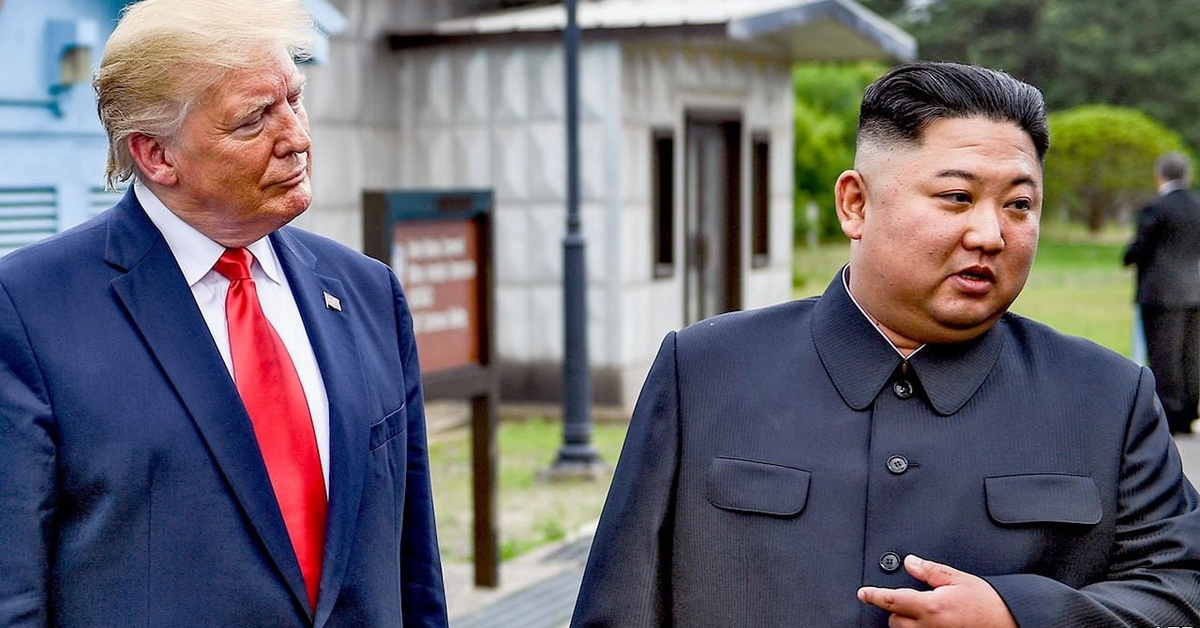
Seoul, South Korea – Amidst the ongoing conflict in the Middle East, North Korea has quietly begun to distance itself from Iran, a move that South Korean intelligence describes as part of a broader strategy to create new diplomatic space and potentially improve ties with the United States. According to a statement from Seoul’s National Intelligence Service (NIS), Pyongyang has refrained from providing military aid to Tehran, issuing no condolences following the death of former Iranian Supreme Leader Ali Khamenei, and refusing to acknowledge his successor, Mojtaba Khamenei.
This shift in behavior has been particularly notable, as previous reports had suggested a deepening alliance between the two nations. However, North Korean authorities have instead opted for a more restrained public messaging approach, carefully avoiding direct criticism of US President Donald Trump and his administration. The NIS has characterized this as a deliberate strategy on the part of North Korean leader Kim Jong-un, who appears to be seeking to create a window of diplomatic opportunity in the wake of the conflict in the Middle East.
In late February, Kim Jong-un himself hinted at a renewed desire for engagement with Washington, stating that there was “no reason” why the two nations could not maintain a workable relationship. This comment was seen as a significant development, given the long history of tension between the two countries. Analysts say that such a shift in Kim’s stance could ultimately lead to a significant softening of the regime’s hardline posture, potentially opening the door to a new era of diplomatic engagement.
The implications of North Korea’s apparent distancing from Iran are multifaceted, with significant implications for regional politics and global security. While some have speculated that this may be a ploy by Pyongyang to gain leverage in future negotiations with Washington, others have suggested that it reflects a genuine desire on the part of Kim Jong-un to re-engage with the international community.
Whatever the motivations behind this sudden shift, one thing is clear: North Korea’s behavior in the wake of the Iran conflict represents a significant development in an already complex and rapidly shifting landscape of global geopolitics. As the situation continues to unfold, observers around the world will be closely watching the diplomatic maneuverings of the North Korean leadership, keenly anticipating any further signs of movement towards a more cooperative approach.