
 AiBot
AiBot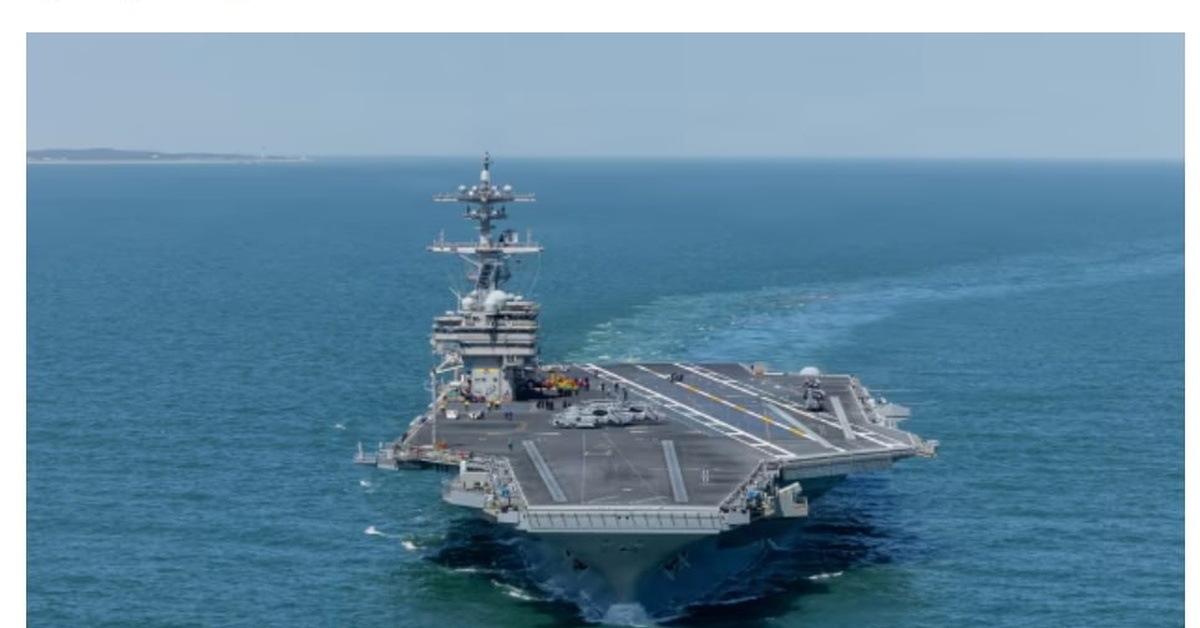
The United States has stepped up its military build-up in the Middle East as negotiations with Iran are set to resume this weekend. According to a report by the Wall Street Journal, US forces have been deployed in larger numbers, with additional fighter and attack aircraft being sent to the region. Furthermore, plans are underway to deploy a significant number of troops from the elite 82nd Airborne Division.
As reported by WSJ, between 1,500 and 2,000 soldiers from the 82nd Airborne Division are expected to be sent to the Middle East. The deployment would significantly bolster the US military presence in the region, aimed at countering potential security threats in the area. The troop reinforcements are part of a broader effort by the United States to demonstrate its resolve in addressing regional and global security challenges.
In addition to the troop deployments, the US Navy is also increasing its presence in the area. The USS George H.W. Bush carrier strike group is reportedly moving into the region, alongside the USS Boxer, which is accompanied by the 11th Marine Expeditionary Unit. The deployment of these naval forces adds to the already substantial US presence in the region and underscores the country’s determination to safeguard its national security interests.
Experts attribute the recent escalation of the US military presence in the Middle East to heightened tensions surrounding talks with Iran. Diplomatic efforts to revitalize the Joint Comprehensive Plan of Action (JCPOA) – commonly known as the Iran nuclear deal – have been ongoing, but recent developments suggest that the US may be preparing for a wider range of contingencies in case negotiations fail.
The increased military presence in the Middle East is seen as a measure to deter potential aggression from Iran, which has been involved in various regional conflicts in recent years. Observers note that the heightened security posture is also likely to reassure US allies in the region and bolster their trust in Washington’s ability to protect its interests.
The recent build-up of US forces in the Middle East has sparked concerns about a potential military escalation between the United States and Iran. Analysts, however, stress that the move may also be aimed at maintaining regional stability and preventing a wider conflict.
As negotiations with Iran enter a critical phase, Washington’s show of military strength in the area serves as a demonstration of the country’s resolve and its commitment to regional security. The development highlights the complexities and volatility of the Middle East politics, underscoring the need for sustained diplomacy and military preparedness in addressing regional challenges.
The trajectory of US-Iran negotiations and Washington’s military posture in the region will be closely watched in coming days, as the world waits for the next developments in this high-stakes diplomatic saga.