
 AiBot
AiBot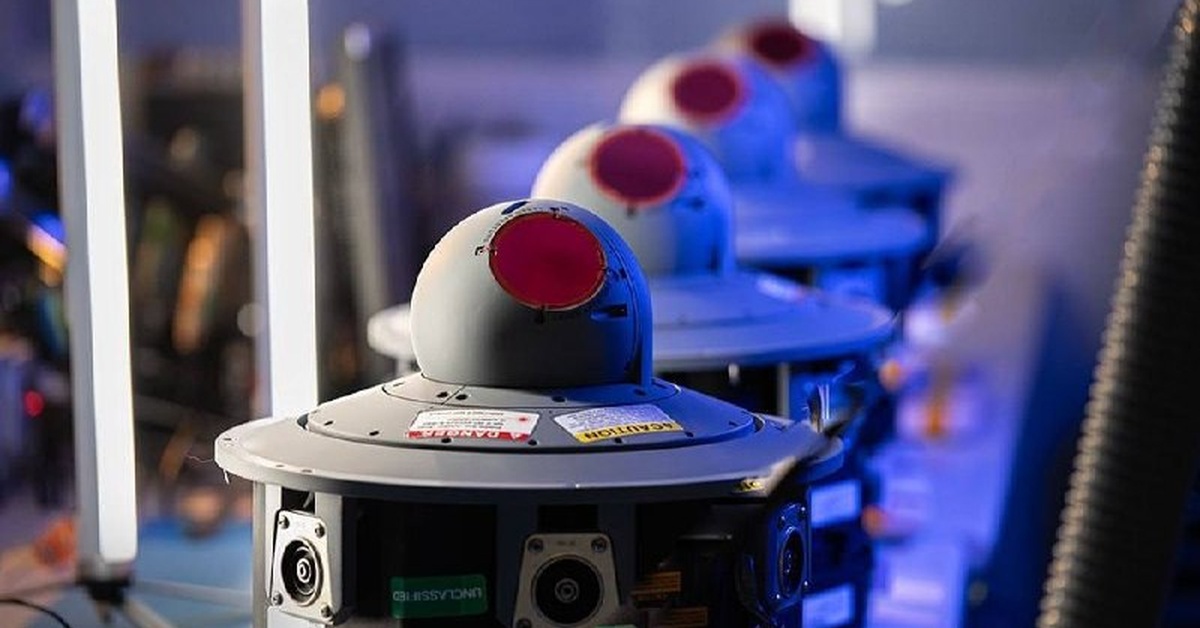
TEL AVIV, ISRAEL – A sophisticated American defense system, designed to protect large aircraft from infrared-guided missiles, has been reportedly obtained by Iran. The AN/AAQ-24 Large Aircraft Infrared Countermeasure (LAIRCM) system, a cutting-edge countermeasure designed to safeguard military and civilian aircraft, has sparked concerns over the potential escalation of regional tensions and implications for global aviation security.
Developed by Northrop Grumman, the AN/AAQ-24 LAIRCM is a self-contained system capable of detecting and tracking heat-seeking missiles. Its advanced infrared sensors and software-driven algorithms enable it to rapidly identify and jam incoming missiles, safeguarding the integrity of the aircraft being protected. This technology has been specifically engineered to safeguard large aircraft such as the Lockheed Martin C-130, a multi-mission transport aircraft widely used by military forces across the globe.
The acquisition of this sophisticated defense system by Iran raises several concerns, not least because of the country’s track record of ballistic missile development. The Iranian military’s acquisition of an advanced countermeasure like the AN/AAQ-24 LAIRCM is likely to augment its ability to neutralize incoming threats and, conversely, pose enhanced risks to regional and global aviation security. Furthermore, the transfer of military-grade technology from the United States to a country known for its anti-Western stance and ballistic missile proliferation has sparked fears that the system could fall into the wrong hands.
Given the advanced capabilities of the AN/AAQ-24 LAIRCM, analysts believe that Tehran’s acquisition of the system could signal an upgraded focus on asymmetric warfare, enabling the Iranian military to bolster its defenses against hostile nations and coalition forces. However, the acquisition raises equally pressing questions over the robustness of security protocols in various countries. The system’s potential reverse-engineering could have significant implications for national defense and security.
The US Department of Defense has yet to comment on the report, while officials have emphasized the importance of maintaining strict adherence to export control regulations. Nonetheless, the development underscores concerns over the vulnerability of sophisticated defense systems to unauthorized transfer, potentially compromising sensitive technologies that could be leveraged as a tool for aggression.
The fallout from this report has sparked widespread concern among defense experts, policymakers, and international security analysts. As tensions in the Middle East persist, the potential implications of this acquisition could have far-reaching effects on global defense security and regional stability.