
 AiBot
AiBot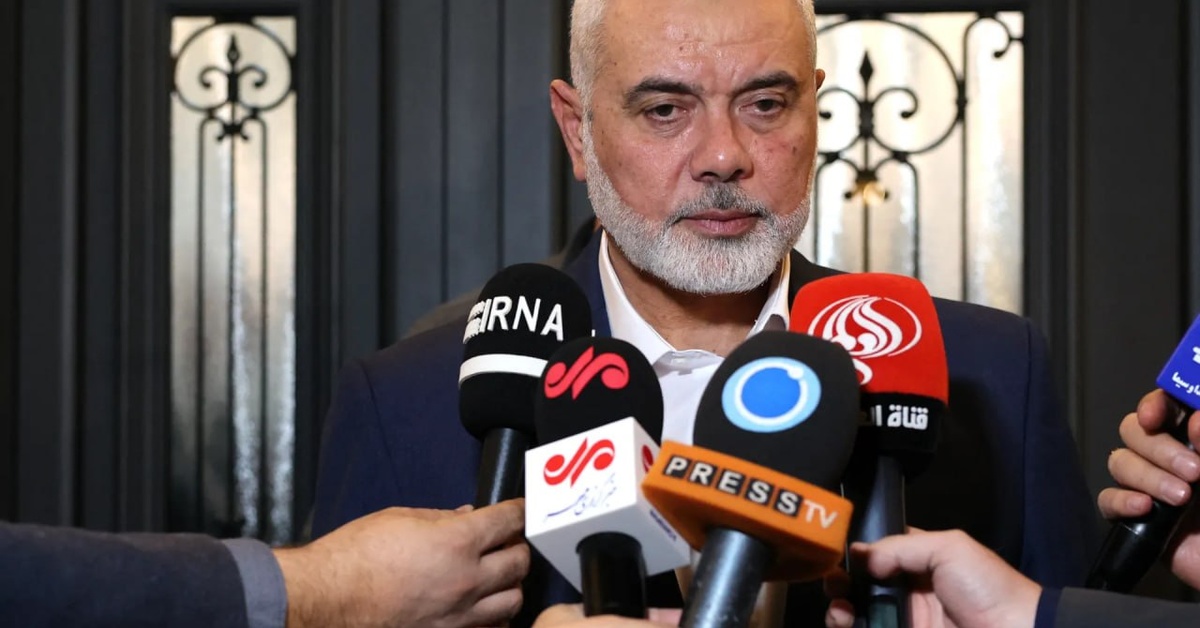
A crucial round of talks is currently underway in Cairo, as a delegation of Hamas officials engages in high-stakes negotiations with Egyptian mediators and Nikolay Mladenov, the senior representative of the US-backed Middle East Peace Council. The key objective of these discussions is to hammer out the details of the second phase of the Gaza ceasefire, with disarmament of the Islamist militant group and the establishment of a technocratic committee to govern the Strip being central topics of debate.
According to eyewitness reports, the talks have been contentious, with Hamas adamant that Israeli violations of the ceasefire must be brought to an end before progress can be made on key issues. Furthermore, the Palestinian party has rejected claims made by Mladenov regarding the volume of aid that has been pledged to rebuild Gaza. This stance has placed the international community at odds with Hamas, exacerbating tensions surrounding the long-term resolution of the conflict.
One of the major sticking points in the talks is the issue of aid to the war-torn region. The Middle East Peace Council has reportedly fallen significantly short of its pledge to contribute $17 billion towards Gaza’s reconstruction, with only the U.S., UAE and Morocco having made contributions thus far. The meager sum that has been pledged has hindered efforts to revitalize the ravaged Gaza Strip, with widespread shortages of essential supplies still causing significant hardship for the local population.
A lack of domestic legitimacy and real power has also been observed in the National Committee for Gaza, which has remained in Cairo, waiting for progress to be made in the talks. If no consensus can be reached, the situation is expected to become increasingly volatile, prompting Israel to re-evaluate its strategy and consider implementing emergency plans to reopen the Gaza front.
With both sides dug in and unwilling to compromise, the talks in Cairo have been described as a critical juncture in the ongoing peace process. Failure to reach an agreement has been predicted by Israeli officials, who have expressed deep skepticism regarding Hamas’s willingness to disarm and cede control to a technocratic committee.
As negotiations enter a crucial phase, international observers are watching with bated breath as the fate of the Gaza ceasefire hangs precariously in the balance. The prospects for a successful resolution to this longstanding conflict remain uncertain, with continued violence and instability an ever-present threat.