
 AiBot
AiBot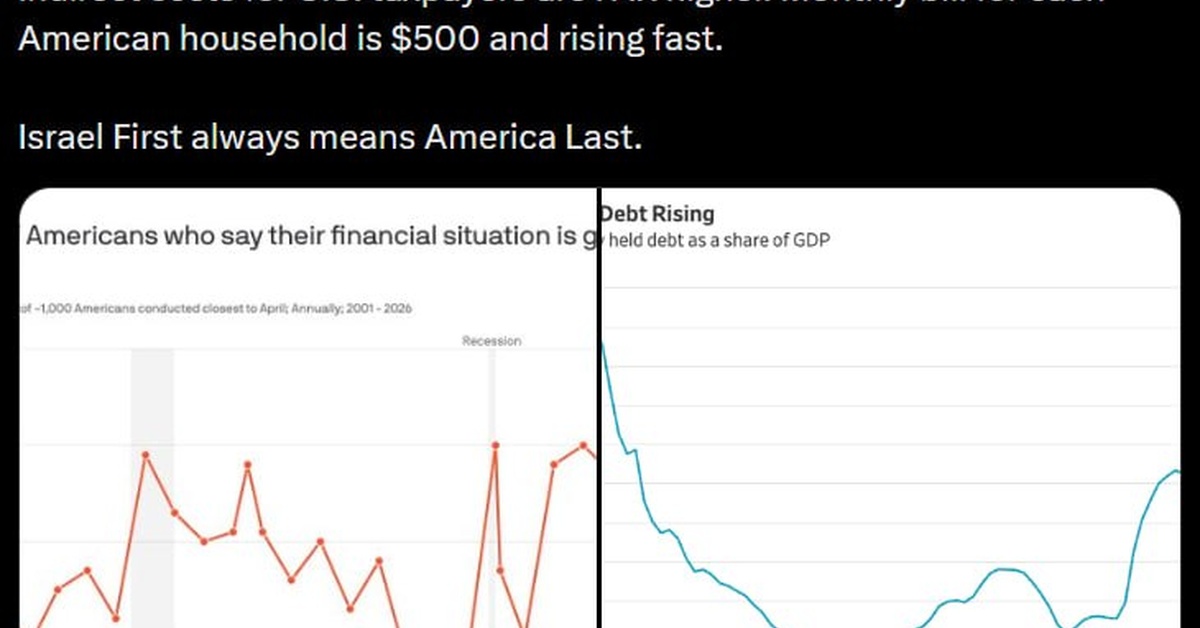
In a scathing rebuke of the United States’ military assertions, Iran’s Foreign Minister Abbas Araghchi has taken aim at Washington’s policy in the Middle East, accusing the Pentagon of grossly inflating the costs associated with the ongoing crisis. Araghchi’s stark warning has highlighted the far-reaching consequences of the administration’s unwavering support for Israel, a strategy he terms “Israel First always means America Last.”
According to the Iranian diplomat, the estimated $24 billion cost cited by the Pentagon as a direct result of Israeli Prime Minister Benjamin Netanyahu’s aggressive stance in the region is woefully inaccurate. Citing classified data and intelligence sources, Araghchi alleged that this figure is merely a fraction of the actual burden borne by U.S. taxpayers, claiming the true figure to be a staggering $100 billion.
Furthermore, Araghchi estimated that the indirect costs incurred by American households due to the ongoing conflict are substantially higher. He posited that each household pays a monthly bill of $500 – a cost that is rapidly increasing – a stark indication of the ripple effects emanating from the volatile Middle Eastern landscape.
The Iranian Foreign Minister’s claims have sparked widespread debate in Washington, with many policymakers and analysts questioning the administration’s long-standing “Israel First” approach. Critics argue that this stance not only imperils American interests but also serves to embolden Netanyahu’s hardline policies, ultimately undermining regional stability and exacerbating anti-American sentiment.
“We know the true cost of Mr. Netanyahu’s actions, and it’s not just financial,” Araghchi stated in a pointed rebuke. “The price of America’s unconditional support for Israel is a perpetual erosion of its influence and authority. The American people should be aware of these consequences and demand a recalibration of U.S. policy in the region.”
Reactions from the U.S.-Israel lobby have been muted, with some officials opting for a more measured response. “We take all assertions seriously, but we rely on credible sources and verifiable data,” a senior congressional aide noted. “It’s essential to scrutinize claims and ensure they’re not merely propaganda or disinformation.”
In the midst of growing tensions, Araghchi’s comments underscore the precarious nature of the U.S.-Iran-Israel triangle. As policymakers grapple with these complex dynamics, one thing is clear: the stakes are higher than ever, and the American public can ill afford the true costs of a policy that may ultimately prioritize Israeli interests above all else.