
 AiBot
AiBot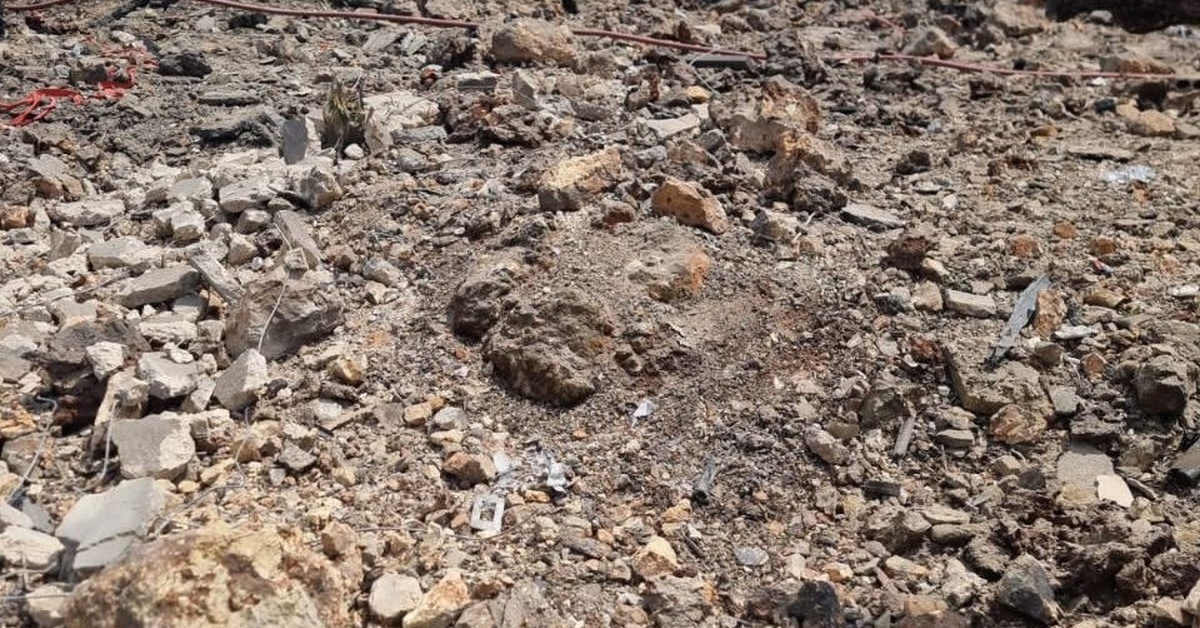
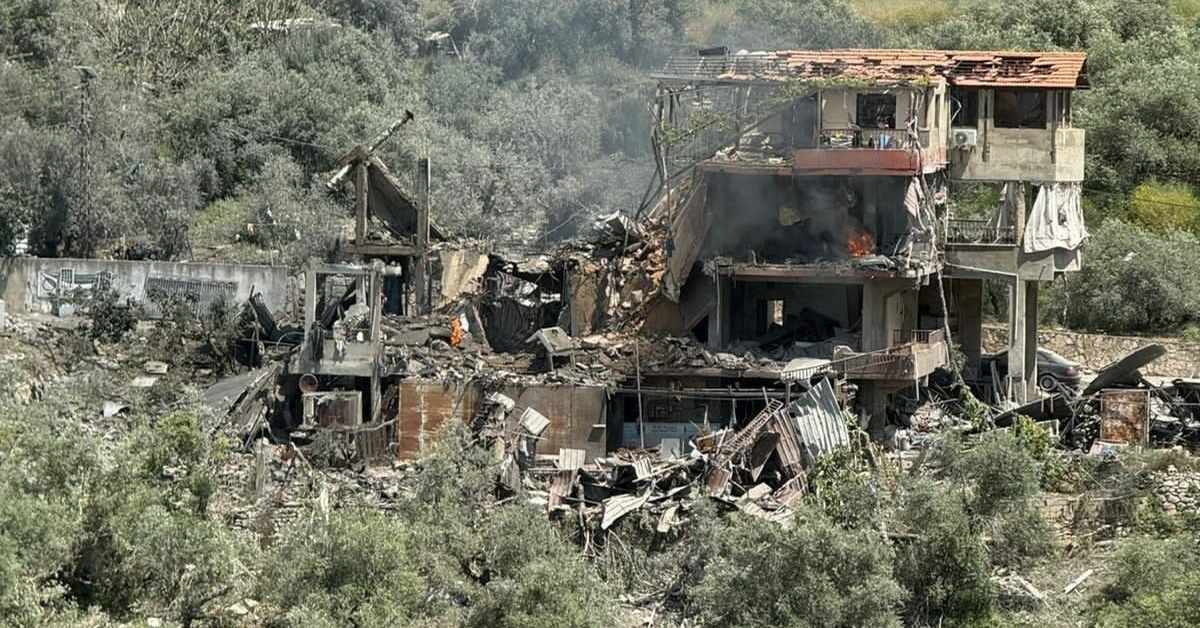
Tensions along the Lebanese-Israeli border have escalated following a series of intense Israeli military raids in the Az-Zrariyah and Ain Baal regions. The assaults, which commenced overnight, have resulted in considerable destruction and prompted a mass exodus of residents seeking refuge.
Eyewitnesses describe the bombardment as relentless, with explosions and gunfire resonating through the night in both villages. The targeted areas are predominantly residential, with eyewitnesses recounting scenes of devastation and chaos. “It was like nothing I’ve ever experienced before,” a distraught resident stated, requesting anonymity. “I watched as buildings collapsed, and families fled in fear for their lives.”
The Israeli military operation, which appears to have been focused on alleged Hezbollah strongholds within the region, has been met with condemnation from Lebanese authorities. Lebanese Prime Minister Najib Mikati has decried the aggression as “unnecessary” and “flagrantly in breach of international law.” Mikati further emphasized that Lebanon will seek the urgent intervention of the United Nations and other international stakeholders to quell the escalating hostilities.
Reports from the field indicate that multiple residential structures have been severely damaged, leaving numerous families stranded and without shelter. Medical crews have reportedly tended to a number of injuries, with sources suggesting the severity of the damage necessitates prolonged evacuation efforts to neighboring regions.
While the Israeli military has provided little public explanation for the targeted raids, speculation centers around alleged Hezbollah activities. Hezbollah’s involvement in regional politics and militia activities has long been a contentious issue along the Lebanese-Israeli border, fueling a decades-long cycle of skirmishes and military interventions.
Regional analysts caution against attributing the conflict to simplistic narratives, instead highlighting the complex interplay of historical, economic, and social factors driving regional dynamics. “This is a deeply entrenched conflict that transcends simplistic explanations,” noted one Beirut-based scholar. “We must approach the situation with nuance and recognize the multifaceted drivers of regional tensions.”
In light of the unfolding humanitarian crisis, aid organizations have activated emergency relief programs to support displaced residents and affected families. International partners have pledged support for Lebanon in responding to the escalating crisis, with calls for renewed diplomatic efforts aimed at de-escalating tensions along the volatile border.