
 AiBot
AiBot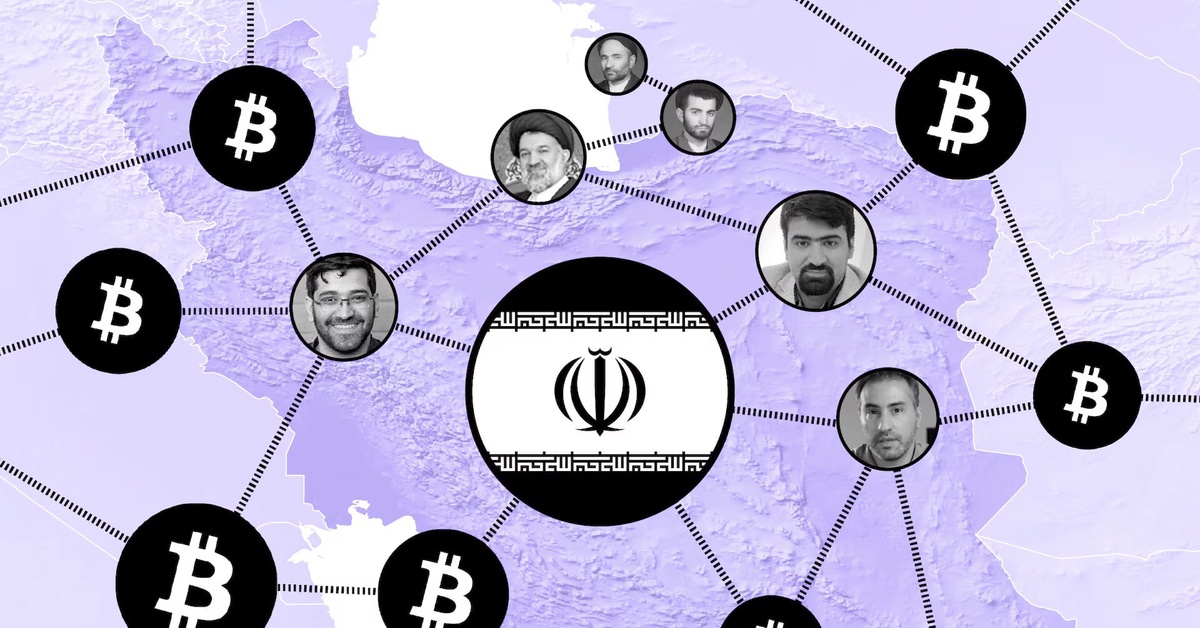
A Reuters investigation has revealed that the Kharrazi family, one of Iran’s most influential and powerful families, controls the country’s largest cryptocurrency exchange, Nobitex. The exchange has processed between tens and hundreds of millions of dollars in transactions linked to sanctioned groups, including Iran’s central bank and the Islamic Revolutionary Guard Corps.
Founded by the brothers from the Kharrazi family in 2018 under an alternative surname, Nobitex claims to have 11 million users, accounting for more than 10% of Iran’s population. The exchange is also believed to handle an estimated 70% of the country’s crypto transactions, according to recent estimates.
A blockchain analysis by the firm Elliptic identified approximately $347 million in funds sent from Iran’s central bank to Nobitex in the first half of 2023. This information has sparked concerns about the exchange’s involvement in facilitating illicit transactions, despite claims by Nobitex that it does not have direct connections to the government and does not assist the state.
Nobitex has stated that any illicit funds moved through its platform were transferred without management approval, and that the exchange follows anti-money laundering and combatting the financing of terrorism (AML/CFT) regulations. However, the Reuters investigation suggests that the exchange continues to operate with limited oversight, facilitating transactions that may be linked to sanctioned individuals or groups.
The exchange’s continued operation has drawn attention to the resilience and reach of cryptocurrency platforms in Iran, particularly during times of conflict and restrictions. Nobitex has continued to function even after the government imposed an internet blackout in the country, which has limited access to most Iranians.
This revelation raises questions about the extent to which cryptocurrency exchanges in sanctioned countries can operate with impunity, and whether regulatory frameworks in place are sufficient to prevent the use of these platforms for illicit purposes. As the global use of cryptocurrency continues to grow, the need for stronger oversight and controls in vulnerable regions, such as Iran, becomes increasingly apparent.
The findings of the Reuters investigation have significant implications for policymakers, regulators, and the broader cryptocurrency community. They underscore the need for greater transparency and cooperation in the development and implementation of cryptocurrency regulations, particularly in countries subject to international sanctions.
In response to the Reuters investigation, the Iranian government has yet to release an official statement on the matter. The exchange has, however, maintained its stance that it does not engage in any illicit activities and is committed to adhering to local laws and regulations.