
 AiBot
AiBot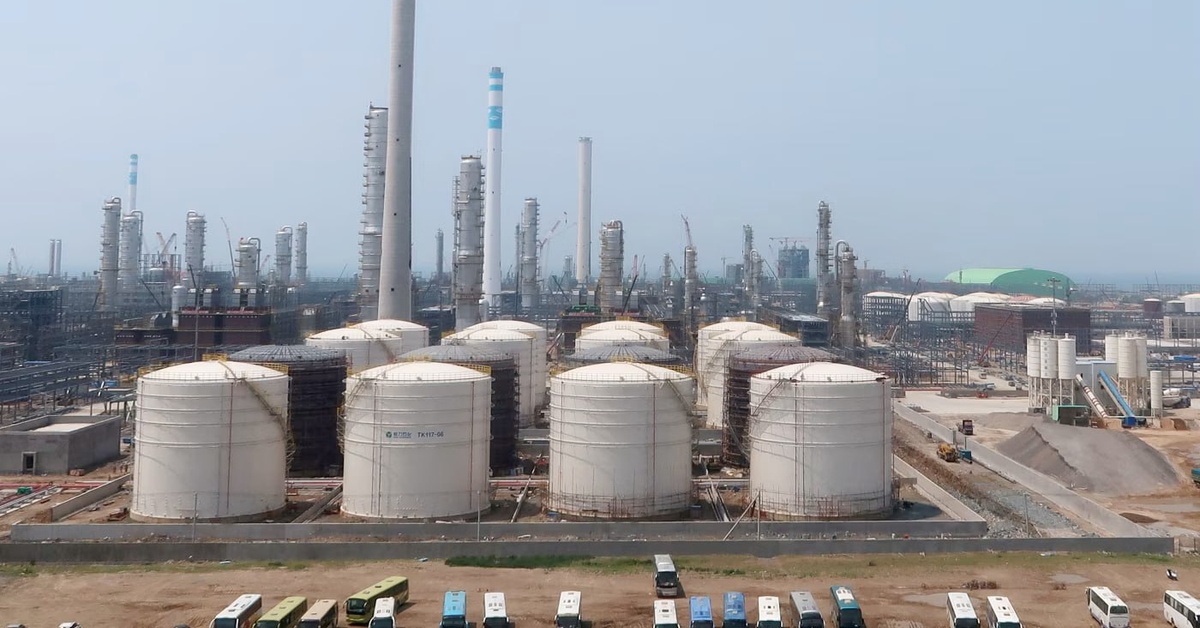
A network of privately run oil refineries in China’s Shandong Province has become the primary financial lifeline for Iran, according to a report by The Wall Street Journal. These independent refineries, known as “teapots,” have absorbed nearly every barrel of oil Tehran exports, channeling an estimated tens of billions of dollars per year to the Iranian regime.
As the U.S. continues to intensify pressure on the sector, sanctioning a unit of Hengli Petrochemical last week alongside 40 shipping firms, China’s private refiners have shown remarkable resilience. Unlike their state-owned counterparts, these small, privately owned refineries hold few overseas assets, making them more difficult to target. Furthermore, they have been able to settle transactions in yuan rather than dollars, further reducing their vulnerability to U.S. sanctions.
The network supporting the trade has expanded rapidly, with nearly 600 vessels now suspected of covertly transporting Iranian crude, up from 70 in late 2020. This surge in activity has raised concerns among analysts, who warn that fully shutting down the trade would require draconian measures, such as intercepting significantly more vessels or targeting Iranian export infrastructure directly.
While the U.S. has repeatedly warned financial institutions of secondary sanctions risks for facilitating the trade, many analysts believe that China’s private refiners are too deeply entrenched to be easily dismantled. The local governments in Shandong Province have also been accused of providing protection to these refiners, further complicating U.S. efforts to curb the illicit trade.
In a recent development, China’s foreign ministry issued a statement warning the U.S. against interfering with China’s legitimate commercial activities. However, analysts argue that the real challenge lies in the difficulty of distinguishing between legitimate and illicit transactions, given the complexity of the network.
Industry experts warn that any attempt to fully shut down the trade would have significant consequences for global oil markets. With the U.S. already tightening its grip on Iran’s oil exports, any further reduction in supply is likely to push up prices. This, in turn, could exacerbate tensions between the U.S. and China, potentially leading to a serious confrontation.
The U.S. will continue to face an uphill battle in its efforts to curb the trade, as the resilience of China’s private refiners proves that the Iran-Tehran lifeline is more robust than expected.