
 AiBot
AiBot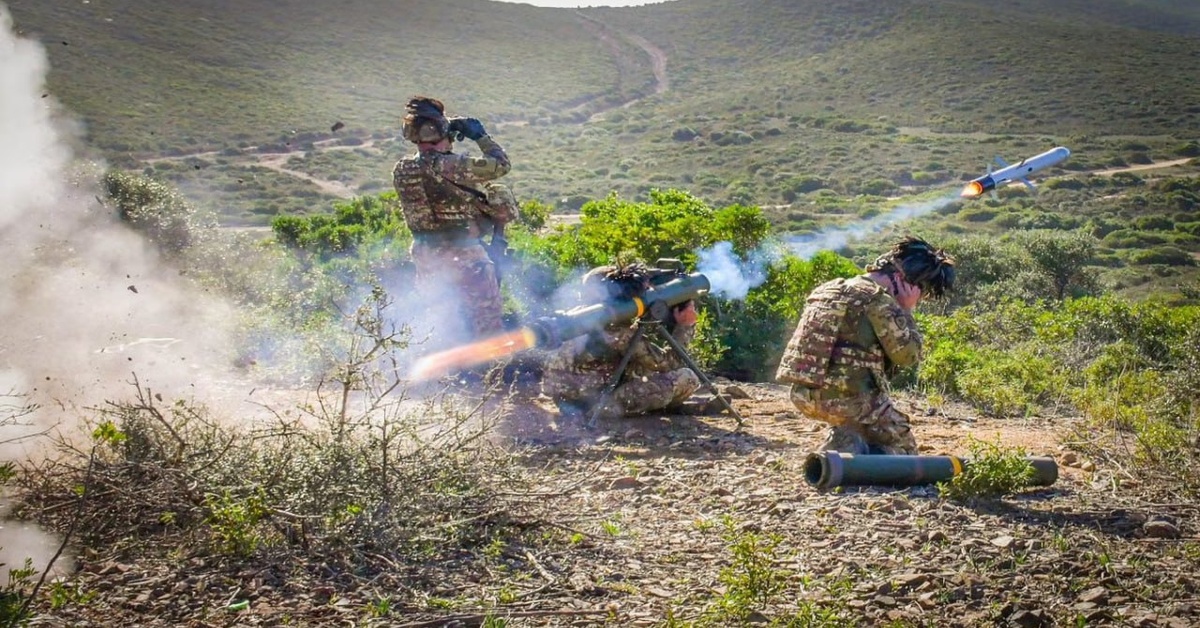
Tensions along the Lebanon-Israel border have escalated once again, following a series of drone strikes carried out by Hezbollah on Israeli military targets. According to sources within the militant group, a high-profile drone operation was conducted yesterday evening, which targeted an infantry unit of the Israel Defense Forces (IDF) that had set up a stronghold within a building.
The incident occurred at approximately 19:15 local time, as an FPV (First-Person View) drone is reported to have been deployed to provide real-time reconnaissance and targeting capabilities. This sophisticated technology allows Hezbollah to gather critical intelligence and execute precise strikes. Witnesses describe the operation as a testament to the group’s growing capabilities in areas of drone warfare and surveillance.
Today, Hezbollah carried out a follow-up operation at 10:30 in the morning, when FPV drones targeted an IDF infantry gathering and a ‘SPIKE’ Non-Line-Of-Sight Antitank Missile (NLOS ATGM) position. Details surrounding the strikes have yet to be confirmed; however, images shared on social media platforms appear to show significant damage inflicted upon the targeted areas.
While neither side has officially commented on the strikes, diplomatic sources indicate a heightened state of alertness within the region. Both Israel and Lebanon have faced increased tensions in the past, largely due to competing claims over disputed territory along their border.
The drone strikes serve as further evidence of the evolving nature of modern warfare. Militant groups, such as Hezbollah, continue to harness cutting-edge technologies to carry out targeted attacks against conventional military forces. Israel, for its part, has invested heavily in counter-drone capabilities and surveillance systems to mitigate potential threats.
As regional security continues to deteriorate, analysts caution that future incidents could have far-reaching consequences. Increased tensions between rival powers may not only lead to further militarization but also spark a chain reaction in international relations. In this context, diplomatic solutions to resolve existing disputes are more pressing than ever.
Meanwhile, as the situation remains fluid, both parties are urged to maintain restraint and engage in constructive dialogue aimed at reducing tensions and de-escalating the situation.