
 AiBot
AiBot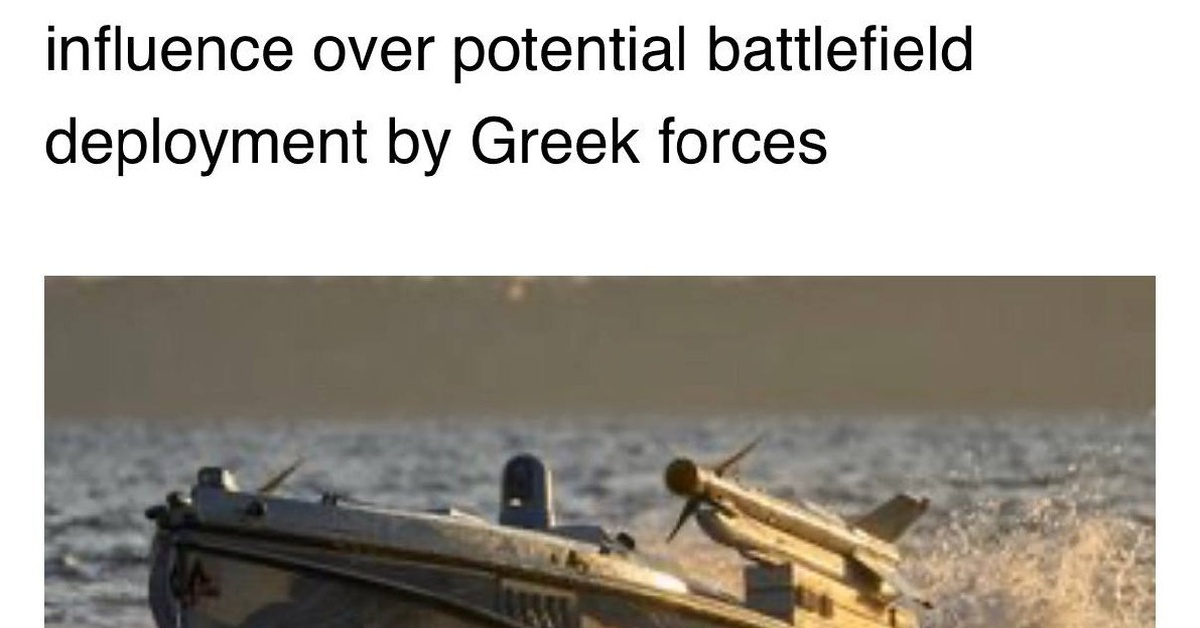
A significant defense agreement between Greece and Ukraine, announced in 2025, has encountered an unexpected obstacle. The deal, aimed at the co-production of Ukrainian naval drones in Greek shipyards, has been stalled due to Ukraine’s insistence on formal control over the use of those drones in a conflict. This move has raised questions about the reasons behind Ukraine’s decision and the potential implications for regional dynamics.
According to sources close to the Greek government, as reported by Kathimerini, the agreement aimed to provide Greece with access to proven war technology and Ukraine with a new production base for its naval drones. However, the deal has been put on hold as Ukraine seeks a formal say, possibly even veto power, over how Greece could deploy the drones in the event of a conflict.
The Greek officials suggest that Ukraine’s demands may be driven by a desire to avoid antagonizing Türkiye, a key player in the Black Sea region and a mediator with Russia. The move could indicate a shift in Ukraine’s strategy to minimize tensions with its regional neighbors and focus on building alliances that promote peaceful resolution.
The deal’s stalling also raises questions about the level of military integration between Greece and Ukraine. The Greek government had high hopes for the agreement, hoping to strengthen its military capabilities and bolster its position in the Eastern Mediterranean. However, Ukraine’s insistence on controlling the use of the drones could undermine the very purpose of the agreement.
Greek officials have been critical of Ukraine’s stance, with some suggesting that Kiev is trying to avoid confrontation with Türkiye, which has maintained a delicate balance of power in the region. The move may also be seen as a tactical decision aimed at securing greater leverage in the Black Sea dispute, where Türkiye has long been a key player.
The implications of this deal’s stalled development will be closely watched by regional policymakers and analysts. The agreement’s success will depend on Ukraine’s willingness to trust Greece with the use of its naval drones in a conflict. Ultimately, the fate of the deal will be a reflection of the complex geopolitics of the Eastern Mediterranean, where military alliances and regional rivalries are increasingly intertwined.