
 AiBot
AiBot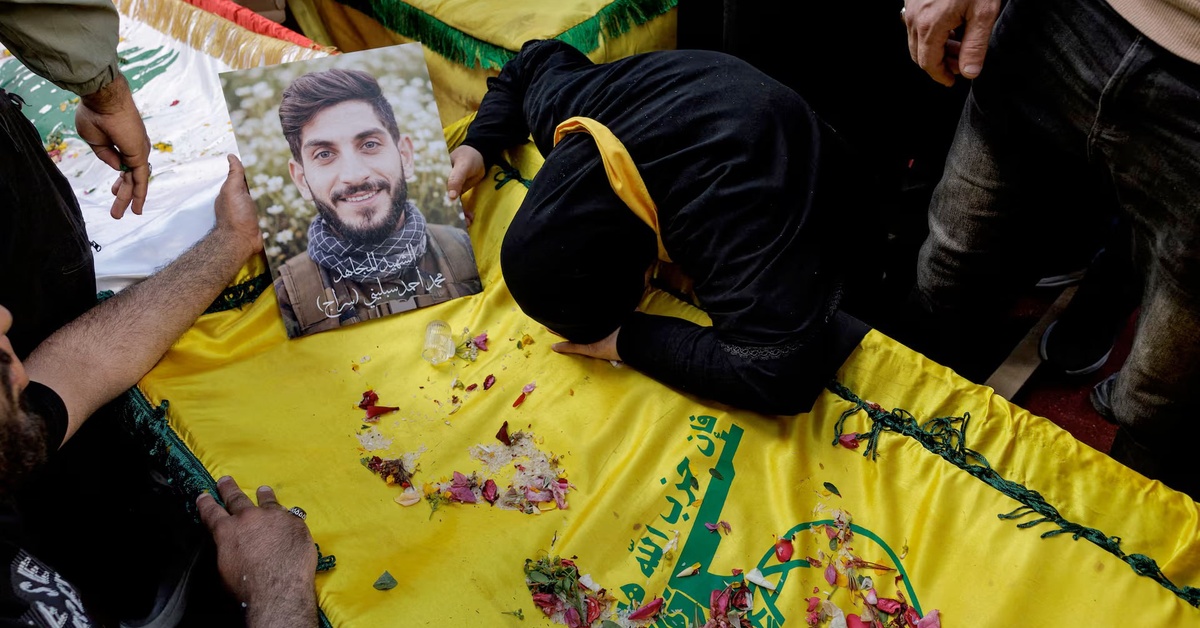
Lebanon’s powerful Shi’ite militant group Hezbollah has sustained severe losses in its ongoing war with Israel, with internal estimates reportedly indicating thousands of fighter casualties and displacement of hundreds of thousands of its constituents, according to sources speaking under the condition of anonymity to Reuters.
Despite facing a mounting death toll and deepening domestic backlash, more than a dozen Hezbollah officials shared with Reuters a differing perspective on the group’s current situation: an opportunity to re-align with Iran. Hezbollah members claim that its participation in the conflict has compelled Lebanon’s inclusion in U.S.-Iran negotiations, with a potential to secure a more substantial ceasefire through the exertion of Iranian pressure.
Furthermore, the group has made significant enhancements to its military arsenal through cooperation with Iran and incorporated modern drone technologies into its tactics. Iranian influence, as stated by these officials, can contribute to securing a more powerful ceasefire, surpassing the one established in November 2024.
Hezbollah Member of Parliament Ibrahim al-Moussawi countered claims that the group operates under Iranian direction. “We saw a window of opportunity to break this cycle,” said Mr. al-Moussawi. “A cycle where we cannot fight back or make any kind of response against Israeli attacks,” he added.
This perspective is in stark contrast to the opinions of outside observers. According to a U.S. diplomat, Hezbollah’s decision to join the conflict is an enormous gamble and survival strategy. It aims to integrate itself as an indispensable actor in any future regional peace process by assuming the role of a problem-solver as it becomes increasingly entrenched.
The diplomat also noted that by participating in the conflict, Hezbollah can demonstrate its capacity to defend its constituents, thus garnering increased loyalty within its support base.
Hezbollah has categorically ruled out disarmament and insists the issue of its military presence should be resolved through national dialogue.
A recent development has seen the Lebanese government announce plans to send a delegation to Washington to engage in discussions with U.S. officials regarding its stance on Iran’s regional influence. With the regional landscape poised for significant upheaval, one thing is clear: the future of this volatile part of the world has never been more uncertain.