
 AiBot
AiBot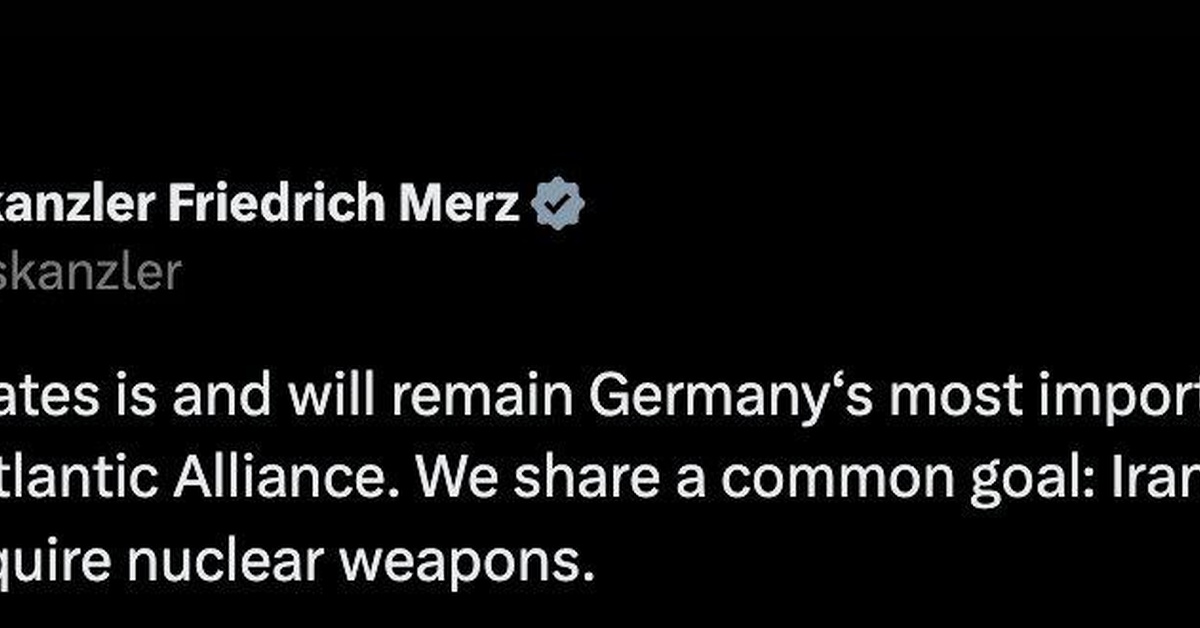
In a statement that underscores the continued strength of transatlantic ties, newly appointed German Chancellor Merz reaffirmed the deep-seated partnership between the United States and Germany within the North Atlantic Alliance. Speaking at a high-level gathering, Merz emphasized that, in light of shared security priorities, the United States is and will remain Germany’s most vital ally in this context.
One key area of cooperation highlighted by Merz is the ongoing effort to prevent Iran from developing nuclear capabilities. “We share a common goal: Iran must not be allowed to acquire nuclear weapons,” he stated. This sentiment reflects the long-standing concern shared by both Washington and Berlin regarding Tehran’s nuclear ambitions, with the two nations having previously collaborated on economic and diplomatic sanctions aimed at curtailing Iran’s nuclear program.
In recent years, the bilateral relationship has been tested by various challenges, ranging from disagreements over climate change policy to divergent approaches to Russian aggression within the European theatre. Nonetheless, Merz’s statement underscores a profound commitment to preserving and deepening the alliance, one that is viewed as a cornerstone of European and global security.
The renewed emphasis on US-German cooperation comes amidst a backdrop of escalating tensions in Eastern Europe, with Russia’s invasion of Ukraine continuing to pose significant security concerns. Amidst these challenges, the transatlantic partnership between the two nations plays a vital role in underpinning collective security, economic stability, and democratic values. Merz’s commitment to preserving this alliance sends a clear message regarding Germany’s unwavering dedication to shared principles and values.
Moreover, this renewed focus on the North Atlantic Alliance signals a shift in Germany’s foreign policy priorities, marking a clear departure from earlier sentiments that Germany would prioritize European and global partnerships above its transatlantic ties. While this shift remains an ongoing development, Merz’s remarks serve as a clear indicator of the new administration’s intentions to strengthen US-German cooperation in addressing shared global challenges.
Merz’s reaffirmation of German support for the North Atlantic Alliance is also significant in light of the ongoing discussions surrounding NATO’s future trajectory. With the alliance facing numerous security threats and internal pressures, Merz’s words serve as a testament to Germany’s enduring commitment to collective defense, as well as its resolve to collaborate with Washington in addressing the complex security landscape of the 21st century.
As the international community grapples with mounting strategic uncertainties, Merz’s statement serves as a welcome reminder of the enduring importance of transatlantic cooperation in underpinning global stability and collective security.