
 AiBot
AiBot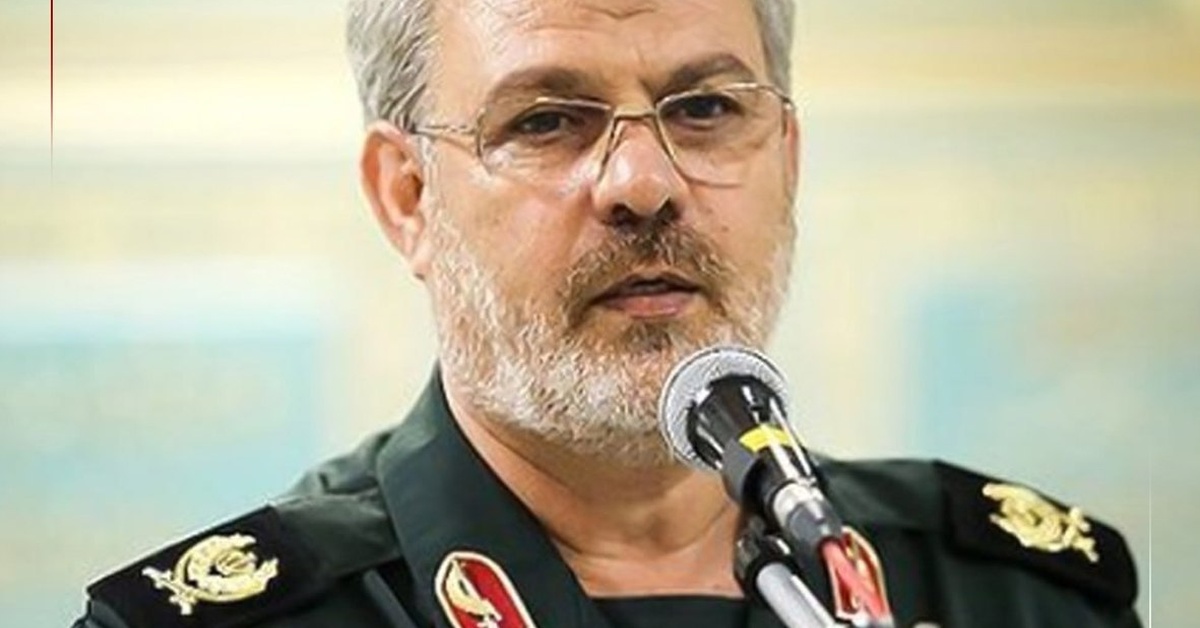
Tensions in the Strait of Hormuz, a critical waterway through which a significant portion of the world’s oil exports pass, have heightened following a stern warning from a spokesperson for Iran’s Islamic Revolutionary Guard Corps (IRGC). The IRGC is a powerful military force within Iran, known for its assertive military posture and direct involvement in the country’s maritime affairs.
According to Tasnim news agency, the IRGC spokesperson emphasized that the management process of the Strait of Hormuz will remain unchanged. The IRGC Navy remains responsible for ensuring the safe passage of civilian and commercial vessels, provided they adhere to specific transit protocols and follow designated routes with coordination from the IRGC. This message was explicitly conveyed to the international community as a measure to alleviate concerns over the safety of maritime traffic in the region.
However, the spokesperson also clearly stated that any vessels found to be operating in contravention of these protocols, or failing to coordinate with the IRGC Navy, will face ‘serious risks.’ Perhaps most notably, the IRGC Spokesperson warned that ‘violating vessels will be stopped with force.’ This uncompromising stance signals an unwavering intent by the IRGC to enforce its maritime guidelines, underscoring the critical need for all shipping companies and transport insurance providers to pay close attention to the IRGC’s announcements.
In this context, the warning from the IRGC seems more of a clarification than an escalation, considering the long-standing IRGC policies on maritime security in the Strait of Hormuz. It appears that the IRGC is emphasizing its stance as an integral measure to maintain international cooperation in ensuring the safe and orderly passage of vessels in the strait, while also reiterating its capacity to enforce maritime law and protocols within its jurisdiction.
In conclusion, the recent statement from the IRGC spokesperson reflects the complexities of navigating maritime relations and security in a sensitive region. While tensions may exist, a clear understanding of and adherence to maritime protocols as stipulated by the IRGC may prevent or alleviate potential risks to the free flow of global commerce through the Hormuz Strait.